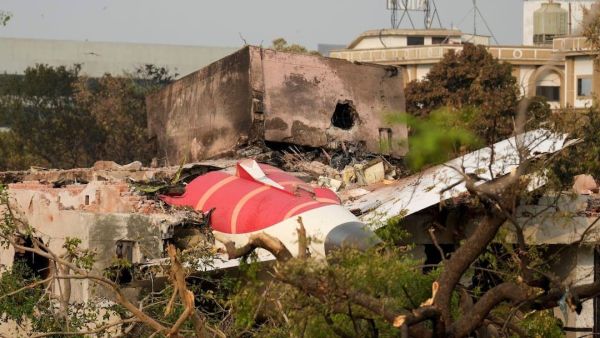
More than six months after the tragic crash of Air India Flight AI-171 in Ahmedabad, the airline has formally initiated the final phase of compensation for affected families.
The Boeing 787-8 Dreamliner went down shortly after take-off on June 12, 2025, resulting in the deaths of 241 passengers and crew members, along with 19 people on the ground.
While no financial package can compensate for the human cost of the disaster, Air India has said that providing clarity on the final settlement process is a necessary step toward closure for grieving families.
What Happened on June 12, 2025?
Flight AI-171 crashed shortly after departing from Ahmedabad, marking one of the most devastating aviation tragedies in recent Indian history. The aircraft involved was a Boeing 787-8 Dreamliner. In total, 260 lives were lost, 241 on board and 19 individuals on the ground.
Investigations into the technical and operational causes of the crash are ongoing. Questions around accountability, potential liability and systemic factors continue to be examined across jurisdictions.
Against this backdrop, Air India has now moved forward with final compensation arrangements.
Interim Relief and Ex Gratia Support
In the immediate aftermath of the crash, Air India disbursed interim compensation of Rs 25 lakh to the families of each deceased victim.
Separately, ex gratia payments of Rs 1 crore per family are currently being processed through the AI-171 Memorial and Welfare Trust, which was established by the Tata Group. This trust was created to extend additional financial support beyond statutory obligations.
The airline has confirmed that final compensation amounts are being calculated individually. These calculations consider legal provisions as well as the personal circumstances of each case, reported The Financial Express.
According to Air India, the settlements are structured on a "full and final" basis, consistent with established aviation industry practice.
What Does the ‘No-Sue’ Clause Mean?
A key feature of the final settlement agreement is a waiver clause. Families who accept the final compensation must confirm that they will not pursue future claims against Air India or associated entities. This includes aircraft manufacturers, airport authorities and government bodies.
Air India has described this clause as necessary to make the settlement conclusive and prevent prolonged litigation.
Importantly, the airline has stated that families are encouraged to seek independent legal advice before signing any agreement. Support mechanisms have also been offered to help families make informed decisions.
This waiver provision has drawn attention, particularly as investigations into the crash are still underway and legal proceedings continue in multiple jurisdictions.
Why Compensation Figures May Differ
Reports suggest that final settlement amounts may vary from one family to another. This is because aviation compensation frameworks typically consider several factors, including age, income, dependants and future earning potential of the deceased.
Air India has said that the offers are fair and aligned with applicable legal frameworks. It has also emphasised that the details have been communicated in what it described as a transparent and compassionate manner.
The airline has declined to comment on individual cases, citing policy.
The Broader Legal Context
International aviation accidents often involve multiple layers of liability, including airlines, manufacturers and service providers. While compensation settlements aim to bring closure, parallel investigations can continue to determine technical responsibility.
In this case, scrutiny remains ongoing regarding the aircraft, operational procedures and regulatory oversight.
The final compensation framework does not alter or pre-empt investigative findings. However, the waiver clause does mean that families accepting the settlement agree not to pursue future claims against named entities.
Contact to : xlf550402@gmail.com
Copyright © boyuanhulian 2020 - 2023. All Right Reserved.