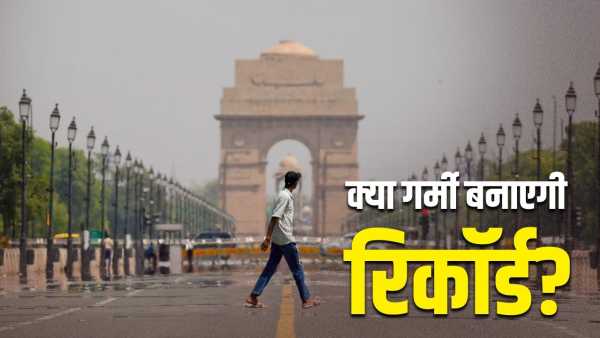
In many states including Delhi-NCR, the maximum temperature has been recorded 5 to 8 degrees above normal.
Weather patterns in India have been changing rapidly in the last few years. The second month of the new year, February, which was considered a month of mild winter and mild sunshine, is now beginning to feel like the arrival of summer. During February this year in Northern India, the maximum temperature reached record levels in many places. Due to this, the question is rising whether the heat will return in full force before March? What do meteorologists say about this unexpected heat?
According to Dr. Anand Sharma, former Additional Director General of India Meteorological Department (IMD), the rise in temperature in February this year is not an isolated incident. This is the combined effect of large climate changes, global warming and irregularities in local weather systems. In recent times, Western Disturbance has also not worked properly, problems are increasing due to this also.
Record breaking temperature in northern India
In Delhi-NCR, Punjab, Haryana, Rajasthan and Western Uttar Pradesh, maximum temperatures were recorded 5 to 8 degrees above normal in the early and middle weeks of February 2026. At many places the temperature even crossed 30 degrees Celsius, which is usually seen in late March or early April. The average maximum temperature in Delhi remained consistently above normal. The temperature reached 32-34 degrees in many districts of Rajasthan. This trend is not just a warning, but a clear indication that the weather is no longer following the old pattern.
Summer onset temperature ranges to establish in peninsula, central and west #India b/w 15th – 18th February. Early signs of #Summer 🌡 • A lot of stations in #Gujarat west #Rajasthan #Maharashtra #Telangana #AndhraPradesh #Karnataka #Kerala to experience maximum temperatures in pic.twitter.com/Vsnh0xzdP8
— Weatherman Navdeep Dahiya (@navdeepdahiya55) February 12, 2026
Why is the heat increasing in February?
Dr. Sharma and other meteorologists give several main reasons behind this.
1- Increasing impact of global warming
The average temperature of the earth is continuously increasing. The IPCC report also shows that the number of hot days and hot nights is increasing rapidly in South Asia. India is also facing its direct brunt. The heat island effect further increases the temperature in urban areas. The impact of heat increases manifold due to reduction in forests, expansion of concrete and vehicle emissions.
2- Reduction in western disturbance
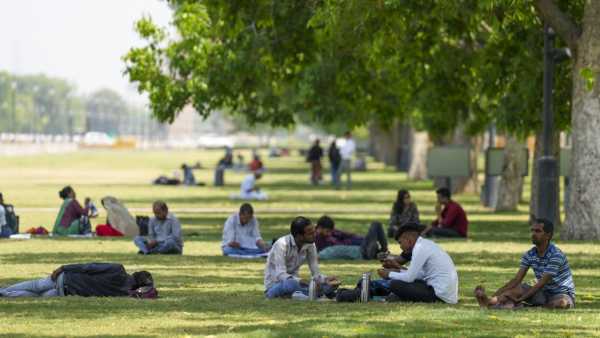
Generally many western disturbances are active in February, which cause rain and cloudy weather. This keeps the temperature controlled. This time western disturbances remained weak. They did not provide adequate rain to Northern India, due to which the sky remained clear and the sun's rays reached the earth directly. This is the reason why winter ended quickly and the effects of summer became visible quickly.
3- Ocean phenomena like El Nino
During El Nino pattern the temperature in India remains above normal. Experts say that due to El Nino the intensity of winter is less in North India. There is more sunlight and the humidity of the air decreases rapidly. The combined effect of these three reasons made February hot this time.
Is record-breaking heat coming in March?
Meteorologists estimate that if the temperature is breaking records in February itself, then March and April can be quite challenging. Initial indications from IMD suggest that the heat wave may start earlier than normal in March. In many parts of North India, temperatures of 3538 degrees can be seen till mid-March. This time the peak of heat may become more harsh in April-May. Some experts say that if current trends continue, 2026 could be one of the hottest years ever in India.

What is the impact on farmers and common people?
The early onset of heat is not just an issue of inconvenience. This can create many socioeconomic challenges.
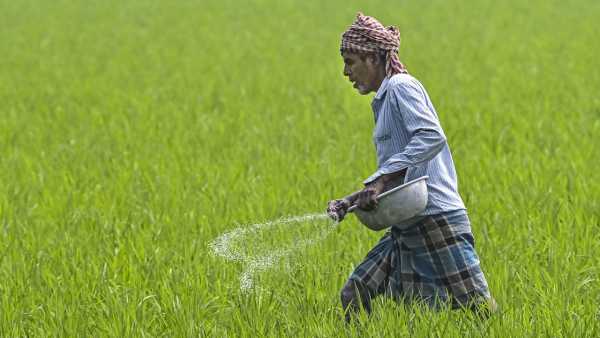
- May have adverse effect on crops: Rabi crops like wheat, gram and mustard are sensitive to temperature. Increased temperature causes heat stress. A decline in wheat yield is possible. Farmers' need for irrigation may increase.
- Effects on Health: Heat waves that start early can lead to additional risks for children and the elderly, including heat stroke, dehydration and skin problems.
- Demand for electricity and water: Electricity consumption will increase due to increase in use of AC cooler in March itself. Concerns about water shortage in reservoirs may start soon.
How to handle rapidly changing situations?
Suresh Bhai, who has been working on the environment for a long time, says that summer is now coming sooner year after year and this change could be permanent. We all will have to pay this much for climate change. He says that at present a large number of people in Uttarkashi have stopped wearing sweaters during the day. In such a situation, both the government and the public will have to prepare together.
Dr. Sharma and Suresh Bhai say that the government will have to increase green cover in cities. Water conservation has to be given priority. Preparing a heat action plan and making crop insurance and scientific advice available to farmers on priority.
Common people will also have to take some precautions. When the heat increases, go out in the sun less. Wear light, cotton clothes. Drink enough water. Keep proper ventilation in homes. Protect children and elderly from excessive heat.
In this way we can understand that the increasing heat in February is not just a temporary weather change, but it is a deep sign that climate changes are now openly affecting our daily lives. The record temperature of February this year in North India has made it clear that the times to come may become hotter. Experts are also of the opinion that the heat of March and April may be more intense than usual this time. Therefore, awareness, preparedness and environmental responsibility have now become the need of the hour. Whether summer comes earlier or later – we have to be prepared for it from now on.

Contact to : xlf550402@gmail.com
Copyright © boyuanhulian 2020 - 2023. All Right Reserved.