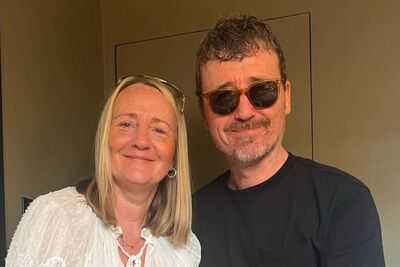
When she arranged a private health check, Karen Scott was not anticipating discovering anything out of the ordinary. The 56-year-old had no symptoms whatsoever and seemed to be in excellent health.
Her husband, Andy, had made the suggestion, so Karen, from Brentwood in Essex, anticipated nothing more than a routine check-up. But during an ECG test as part of a health assessment with Bluecrest, something unexpected emerged: a type of atrioventricular (AV) heart block, a potentially serious condition that can affect the heart's electrical signals.
An AV heart block happens when the electrical impulses that regulate the heartbeat are partially or completely interrupted, potentially resulting in an abnormally slow heart rate, diminished blood flow, and in severe cases, fainting, heart failure and even sudden cardiac arrest if left untreated.
"Before the diagnosis I felt absolutely fine with no obvious symptoms," says mum-of-two Karen, who works for a local construction company. "Yes, I was breathless sometimes when doing cardio but so was everyone else my age in my gym class.
"I didn't feel ill in the slightest, so when they told me something had come up on the scan, I was shocked. They picked it up at a very early stage, but if it had been left, I don't want to think about what could have happened. I was quite blasé about it. I didn't think it was as serious as it turned out to be."
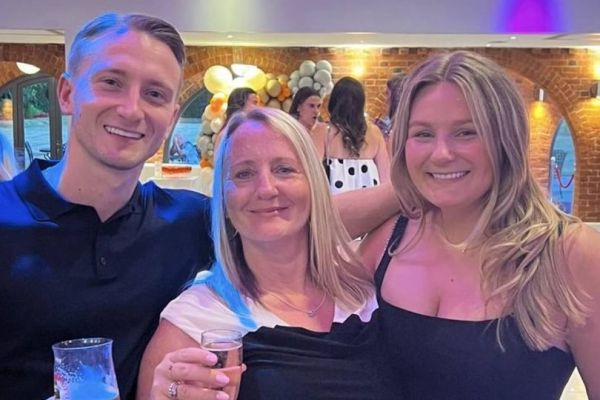
AV heart block remains considerably rarer amongst women, yet instances are climbing sharply, with recent estimates suggesting that cases have doubled during the last 20 years across the UK. Following receipt of the findings from Bluecrest, Karen was swiftly referred to her GP and subsequently to a cardiologist at Basildon Hospital.
She secured an appointment within weeks and underwent ECGs, blood tests, medication and, ultimately, an MRI of the heart. Once receiving specialist treatment, it was confirmed to Karen that what had been detected was the initial stage of heart failure and that the intervention had been prompt.
"I found it hard to take in that the cardiac nurse was talking about me," she says. "Just hearing stage one heart failure is enough to worry most people."
Karen has since been prescribed daily medication that she will take for the rest of her life and has routine blood tests to ensure that her care plan is safe. She is also awaiting an MRI scan to assess whether there may be any further damage.
"Like most people, I googled my symptoms to try and make sense of diagnosis and was horrified at what I saw," she says. "After checking in with my specialist, they told me that there are four stages to heart failure, and what had been identified with myself was the first of these four stages."
• NHS GP Dr Amir Khan issues warning over foot symptom - 'always get that checked'
• 'Illness which baffled doctors left me looking 9 months pregnant'
The discovery of the atrioventricular issue also sparked worries about a potential genetic connection, with Karen's cardiologist recommending her children and brother undergo testing as well. "It's not just about me anymore; this could help my whole family," she states.
"I'm fortunate. I didn't have any warning signs, and this could have remained unnoticed for years. Now I've got the appropriate support and treatment in place."
Karen is grateful that she opted for the test despite lacking any symptoms, attributing the health check to saving her life and identifying the condition before it became too late.
"Don't wait until you feel unwell. These health assessments could save your life," she advises. "Your health is so precious and should always be taken seriously whatever age. I still have to take medication for the rest of my life but it's a very small price to pay, as is the cost of having a screening."
To learn more about Bluecrest's health assessments, visit Bluecrest testing here
Contact to : xlf550402@gmail.com
Copyright © boyuanhulian 2020 - 2023. All Right Reserved.