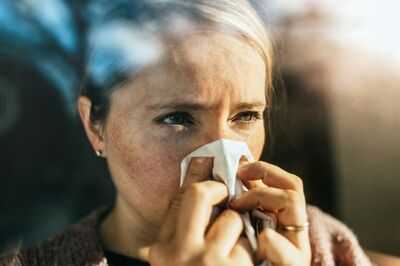
Energy costs are high and have been getting worse every winter, but there is good reason to keep the cold away. Being chilly isn't just uncomfortable — how warm we are at home factors into overall health.
Between cold, flu, norovirus and Covid, winter bugs are plentiful and difficult to avoid. You'll have heard one of the simplest ways to protect yourself is handwashing, but warmth plays an important part in preventing illness.
Cold weather affects the body and keeping your home cold can lead to illness, explains NHS Inform. When it's cold, our hearts must work harder to keep the body warm, which in turn increases blood pressure. Cold air can irritate the lungs and leaves joints feeling achey.
- Avoid paying for expensive food at UK airports with 'little known snack rule'
- Prof Tim Spector's two 'best' foods to eat when you've got a cold or flu
So, what temperature best staves off illness? The guidance from the NHS, UK Health Security Agency (UKHSA) and the World Health Organization (WHO) points to the same minimum temperature: 18C.
The WHO's Housing and health guidelines state: "Indoor housing temperatures should be high enough to protect residents from the harmful health effects of cold. For countries with temperate or colder climates, 18°C has been proposed as a safe and well-balanced indoor temperature to protect the health of general populations during cold seasons."
This advice is echoed by the guidance given by the UKHSA for staying well in winter. The agency advises: "Our top tip is to heat the home, or the parts of it you’re using, to at least 18°C.
"This is the temperature at which we start to see changes in the body, when the blood starts to thicken. So, temperatures above this are best to protect your health."
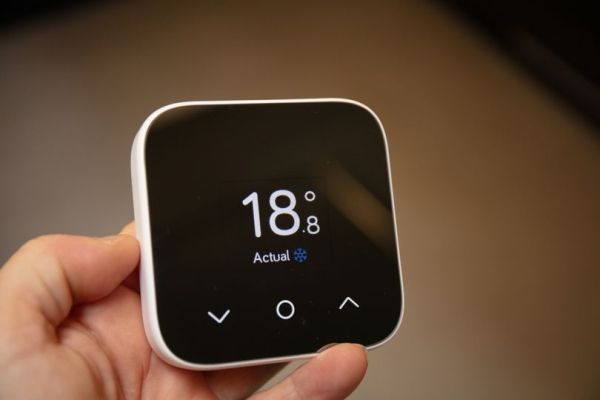
It should be noted, however, that the thermostat should be even higher if there are people more vulnerable to the cold. According to NHS Inform, "Anyone can become unwell when the weather is cold. However, some people are more at risk."
They list the following groups:
- People aged 65 or over
- People with underlying health conditions, like heart or lung conditions or mental health conditions
- Children (particularly aged five and under)
- Pregnant women
- People who are housebound or have low mobility
Public Health Wales has suggested raising the temperature to 23C in such cases: "For those households with vulnerable people, the recommendations are 23°C in the living room and 18°C in other rooms achieved for 16 hours in a 24-hour period."
Does being cold make you sick?The cold itself doesn't make us ill, but it facilitates things that do. For instance, a cold environment work in viruses' favour. Research has shown that the viruses that cause flu and Covid survive longer in cold and dry conditions, which gives them a better chance of infecting people.
"Cold temperatures themselves do not cause infections," explained Manal Mohammed, a Senior Lecturer in Medical Microbiology at the University of Westminster in The Conversation.
"Instead, they influence a combination of biological, environmental and social factors that make people more vulnerable to respiratory illnesses, especially during the winter months."
Being cold also puts our bodies at a disadvantage once we fall ill, as UKHSA noted: "Being cold also affects our body’s ability to fight off infection. This is why in the weeks after the cold weather we see more deaths from infections like pneumonia, as lung conditions and coughs can develop into a more serious problem."
Contact to : xlf550402@gmail.com
Copyright © boyuanhulian 2020 - 2023. All Right Reserved.