VisaRejection – A Gurugram-based chief executive officer has publicly expressed disappointment after his application for a United States non-immigrant visa was denied, with authorities citing insufficient ties to India as the primary reason for refusal.
CEO Shares Experience on Social Media
Jasveer Singh, who heads a company operating in India, took to social media platform X to describe the outcome of his visa interview. In his post, Singh said he was informed that he had failed to establish adequate proof that he would return to India after visiting the United States.
According to Singh, he has spent more than a decade building his professional career in India. He stated that he runs a registered business, employs local staff, pays taxes, and has developed his entire professional network within the country. Despite this, he said officials concluded that his profile did not convincingly demonstrate strong enough links to India.
In his post, Singh criticized the evaluation process, questioning how an entrepreneur with long-standing business commitments in India could be considered lacking in domestic ties. He also claimed that social media activity may have been examined during the review process. Referring to advice he said he received from a friend, Singh mentioned that deleting posts about the United States or non-resident Indians before attending a visa interview might improve approval chances. However, this comment reflected his personal view and was not supported by any official confirmation.
Embassy Letter Cites Immigration Law
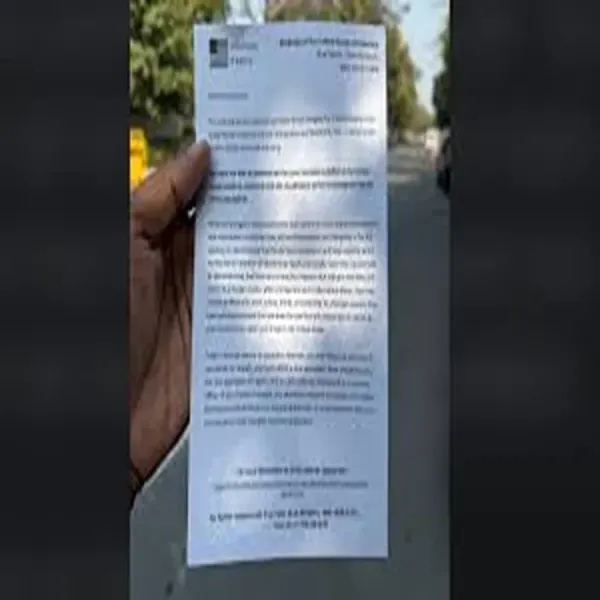
Alongside his post, Singh shared what appeared to be a formal communication issued by the United States Embassy in New Delhi. The document stated that he had been found ineligible for a non-immigrant visa under provisions of US immigration law.
The letter explained that the applicant was unable to demonstrate that his proposed activities in the United States aligned with the visa category for which he had applied. It further noted that applicants are required to prove substantial professional, financial, social, or family connections to their home country to qualify for approval.
Under US visa regulations, consular officers assess whether an applicant intends to return home after a temporary stay. If officials are not satisfied that the individual has strong enough reasons to return, the application may be refused under Section 214(b) of the Immigration and Nationality Act.
Understanding the “Strong Ties” Requirement
The concept of “strong ties” plays a central role in non-immigrant visa decisions. These ties can include stable employment, business ownership, close family relationships, property ownership, and other long-term commitments within the applicant’s home country.
Immigration experts note that each case is evaluated individually, and consular officers have significant discretion when determining eligibility. The burden of proof rests on the applicant to demonstrate that their stay in the United States will be temporary and consistent with the visa classification.
While visa refusals are not uncommon, especially in high-demand categories, applicants are typically informed of the general reason for denial but may not receive detailed explanations of the decision-making process.
Broader Conversation on Visa Scrutiny
Singh’s experience has sparked online discussion about transparency and fairness in visa processing. Many professionals who frequently travel for business highlight the importance of predictable and consistent evaluation standards.
At the same time, diplomatic missions maintain that visa assessments are conducted in accordance with established immigration laws and guidelines. Decisions are based on documentation, interview responses, and overall eligibility under US regulations.
As international travel continues to grow for business, education, and tourism, visa policies remain a critical part of cross-border engagement. For applicants, understanding documentation requirements and preparing comprehensive evidence of home-country ties can be essential in navigating the process.
Singh has not indicated whether he plans to reapply. Meanwhile, his case underscores the complex and often subjective nature of non-immigrant visa adjudication.
Contact to : xlf550402@gmail.com
Copyright © boyuanhulian 2020 - 2023. All Right Reserved.