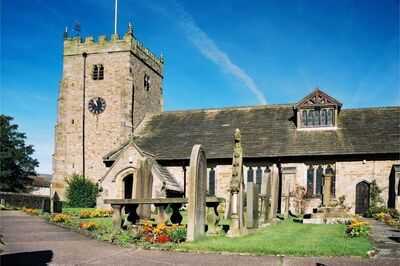
A picturesque Lancashire village renowned for its medieval heritage, stunning landscapes, and a celebrated pub with a spooky history is being praised as essential viewing by visitors.
Nestled between Ribble Valley and the Forest of Bowland Area of Outstanding Natural Beauty (AONB), this charming hamlet offers the perfect peaceful retreat, particularly for those passionate about history.
With origins stretching back at least 1,000 years, the serene village of Chipping features in the Domesday Book as Chippenden; the name stems from 'Chepyn' meaning 'market place'.
- UK's worst towns for 2026 as tourists slam concrete centres and humdrum atmosphere
- UK's smallest station is shorter than a train carriage — only 1 door can open
The settlement experienced significant wealth in bygone eras, flourishing throughout the Industrial Revolution, when seven mills operated along Chipping Brook's banks.
Chipping possesses a fascinating and layered past, with its period buildings ranking among the village's premier attractions.
Wandering through this delightful village feels remarkably like travelling back in time, with the scenic hamlet radiating an unmistakably medieval yet captivating atmosphere, reports Lancs Live.
Indeed, numerous stone cottages throughout the village date back to the 1600s and 1700s, enhancing its historical appeal.
The village of Chipping houses the 13th-century St Bartholomew's Church, an active Anglican church with Grade II Listed status, positioned at the village centre and partially restored in 1505, 1706, and throughout the 19th Century.
St Bartholomew's Church boasts an ancient yew tree within its grounds - a magnificent landmark renowned throughout the county - thought to be more than a century old.
A sundial from 1708 can also be discovered in the churchyard on the southern side of the main structure.
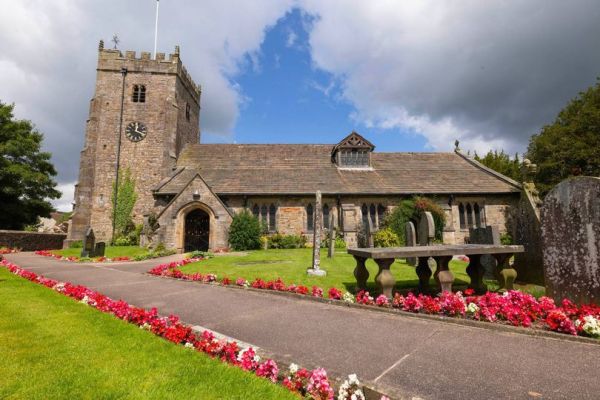
Open for private prayer daily between 10am and 3.30pm, this beautiful church has occupied its present site for more than 500 years and forms an integral part of Chipping's medieval heritage.
St Mary's ChurchAfter the 16th-century Protestant Reformation, publicly practising Catholicism became unlawful, yet several local landowners who stayed Catholic proceeded to create a handful of worship centres on their properties.
One was in Chipping, founded by the Welds of Leagram Hall.
In 1827, George Weld donated funds and land to build the openly Catholic St Mary's Church in Chipping village, just before Catholic Emancipation in 1829.
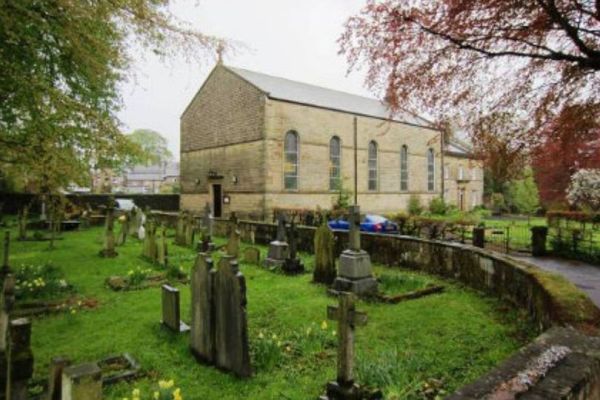
He also constructed an adjoining priest's house and a school (now serving as a parish hall) around the same period, which remain standing as the buildings we observe in the village today.
Other medieval attractionsAnother medieval site in Lancashire's Chipping is Hesketh End on Judd Holmes Lane - a Grade I Listed Building originating from 1591 and the early 17th century, which underwent restoration in 1907.
The Grade II Listed Woolfen Hall, potentially dating back to the 16th century and nestled at the base of nearby Parlick Hill, is a must-see when visiting Chipping.
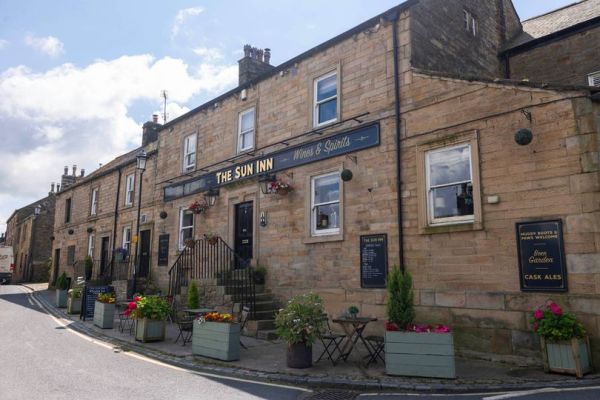
The village boasts two incredibly popular pubs: The Sun Inn, a welcoming yet infamously legendary 17th-century pub, sits unassumingly on the corner of Chipping's main street, proudly displaying its rich history of spectral tales.
Chipping's other well-loved watering hole is The Tillotson's Arms on Talbot Street. Constructed around 1836 and historically known as the Buck Inn, it has since been renamed to The Tilly's.
Contact to : xlf550402@gmail.com
Copyright © boyuanhulian 2020 - 2023. All Right Reserved.