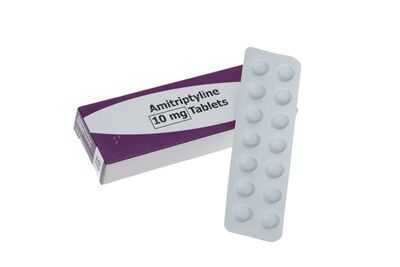
Amitriptyline is a common medication used by people with differing health issues. When initially licensed in the 1960s, it was as an anti-depressant, however, today it is also commonly used as pain relief for people with nerve issues and those suffering from migraine.
Every year, millions of prescriptions for the drug are issued, with the latest figures showing more than 15 million were dispensed in the UK in 2022-23. However, there are some key rules over how it should be taken, and some essential signs to be aware of, which mean you should seek urgent medical advice from your doctor, by dialling 111 or sometimes even 999.
The symptoms are similar for people taking the drug for pain relief and for those using it to treat depression but there are some differences. People taking it to tackle pain have lower doses than those using it for depression, which often means side effects are milder, but both need to know what to look out for.
- ITV shares first look at four-part crime drama on Sarah Ferguson's killer aide
- 'Beatrice and Eugenie will never be able to unsee dad Andrew on all fours above woman'

While most are mild and do not need immediate intervention there are some which are potentially more serious. These may need a call to the GP, dialling 111 or even 999.
Amitriptyline for pain relief
Figures show around 28 million UK adults suffer from chronic pain, leaving about eight million of these with moderate to severe disabling levels. According to NHS figures one in three adults has chronic pain, rising to more than half of those aged over 75.
The NHS advises: "Doses of amitriptyline for pain are lower than the doses for depression. This means the common side effects tend to be milder and go away within a few days. Some of the common side effects of amitriptyline gradually improve as your body gets used to the medicine."
Common side effects
There are some common side effects of amitriptyline that happen in more than 1 in 100 people. These include:
- Constipation
- Feeling dizzy
- Dry mouth
- Feeling sleepy or tired
- Difficulty peeing
- Headache
The NHS advises: "Speak to a doctor or pharmacist if the advice on how to cope does not help and a side effect is still bothering you or does not go away."
Serious side effects
The NHS says: "It happens rarely, but some people have a serious side effect after taking amitriptyline. Call a doctor or call 111 now if:
- you get a fast or irregular heartbeat
- the whites of your eyes turn yellow, or your skin turns yellow, although this may be less obvious on brown or black skin – these can be signs of a liver problem
- you have a headache, you feel confused or weak, or you get muscle cramps – these can be signs of a low sodium level in your blood
- you have eye pain, a change in your eyesight, or swelling or redness in or around your eye
Immediate action required
It says there are times you need more urgent help. It says call 999 if:
- you have weakness on one side of your body, trouble speaking or thinking, loss of balance or blurred eyesight – these can be signs of a stroke
- you have a seizure or fit
- you get severe chest pain – this can be a sign of a heart attack
It adds: "Do not drive yourself to A&E. The person you speak to at 999 will give you advice about what to do."
The NHS has further advice which means you should dial 999 or go to A&E. It warns: "Call 999 or go to A&E if you have thoughts about harming yourself or ending your life."
Allergic reaction
Finally there is a small risk of an allergic reaction which requires immediate assistance. It says: "In rare cases, it's possible to have a serious allergic reaction (anaphylaxis) to amitriptyline." It tells users to call 999 now if:
- your lips, mouth, throat or tongue suddenly become swollen
- you're breathing very fast or struggling to breathe (you may become very wheezy or feel like you're choking or gasping for air)
- your throat feels tight or you're struggling to swallow
- your skin, tongue or lips turn blue, grey or pale (if you have black or brown skin, this may be easier to see on the palms of your hands or soles of your feet)
- you suddenly become very confused, drowsy or dizzy
- someone faints and cannot be woken up
- a child is limp, floppy or not responding like they normally do (their head may fall to the side, backwards or forwards, or they may find it difficult to lift their head or focus on your face)
"You or the person who's unwell may also have a rash that's swollen, raised, itchy, blistered or peeling," it warns. "These can be signs of a serious allergic reaction and may need immediate treatment in hospital."
Amitriptyline for depression
The NHS says: "Like all medicines, amitriptyline can cause side effects in some people, but many people have no side effects or only minor ones."
Common side effects
It says there are some side effects that happen in more than one in 100 people: "Some of the common side effects of amitriptyline will gradually improve as your body gets used to the medicine." These common side effects include:
- Constipation
- Feeling dizzy
- Dry mouth
- Feeling sleepy or tired
- Difficulty peeing
- Headache

The NHS adds: "Speak to a doctor or pharmacist if the advice on how to cope does not help and a side effect is still bothering you or does not go away."
Serious side effects
"It happens rarely, but some people have a serious side effect after taking amitriptyline," says the NHS on its website." It advises anyone with the following symptoms to call a doctor or dial 111 now if:
- your heartbeat becomes fast or irregular
- the whites of your eyes turn yellow, or your skin turns yellow, although this may be less obvious on brown or black skin, or you have dark pee – these can be signs of a liver problem
- you have constant headaches, you feel sick (nausea) and weak, and you get frequent muscle cramps – together, these can be a sign of low sodium levels in your blood. In severe cases low sodium levels can lead to a fit or seizure
- you have eye pain, a change in your eyesight, or swelling or redness in or around your eye
- you have constipation that lasts a long time, a swollen stomach, a high temperature and you're being sick (vomiting) – these can be signs of intestine problems
- you have problems peeing which are causing stomach ache, or you cannot pee at all
- you have a high temperature with shivering or chills and sore throat that lasts a long time, or you're bleeding or bruising more easily than usual – these can be signs that the medicine has affected your blood or bone marrow
Immediate action required
Some side effects are more serious and you should dial 999 if:
- you have weakness or numbness on one side of your face or body, trouble speaking or swallowing, confusion, loss of balance or blurred eyesight – these can be signs of a stroke
- you pass out
- you have a seizure or fit
- you get chest pain which may spread to your neck or arm, shortness of breath or a clammy feeling – these can be signs of a heart attack
It adds: "Do not drive yourself to A&E. The person you speak to at 999 will give you advice about what to do."
The NHS has further advice which means you should dial 999 or go to A&E. It warns: "Call 999 or go to A&E if you have thoughts about harming yourself or ending your life."
Allergic reaction
Finally, again as with the use of drug for pain relief, there is a small risk of an allergic reaction which means you need immediate medical help. It says: "In rare cases, it's possible to have a serious allergic reaction (anaphylaxis) to amitriptyline." Users should call 999 now if:
- your lips, mouth, throat or tongue suddenly become swollen
- you're breathing very fast or struggling to breathe (you may become very wheezy or feel like you're choking or gasping for air)
- your throat feels tight or you're struggling to swallow
- your skin, tongue or lips turn blue, grey or pale (if you have black or brown skin, this may be easier to see on the palms of your hands or soles of your feet)
- you suddenly become very confused, drowsy or dizzy
- someone faints and cannot be woken up
- a child is limp, floppy or not responding like they normally do (their head may fall to the side, backwards or forwards, or they may find it difficult to lift their head or focus on your face)
It advises: "You or the person who's unwell may also have a rash that's swollen, raised, itchy, blistered or peeling. These can be signs of a serious allergic reaction and may need immediate treatment in hospital."
Contact to : xlf550402@gmail.com
Copyright © boyuanhulian 2020 - 2023. All Right Reserved.