India has long carried a reputation as a land wrapped in mystery. For centuries, travelers from across the world have been fascinated by the country’s enigmatic aura—shaped by ancient beliefs, age-old rituals, and traditions found nowhere else. This blend of spirituality and folklore has also given rise to countless paranormal legends, making India an obvious starting point when talking about the country’s most haunted places. Many abandoned locations have become especially popular among those intrigued by ghost stories and unexplained phenomena. For people too afraid to visit such places themselves, reading and sharing these chilling tales often feels like the next best thing.
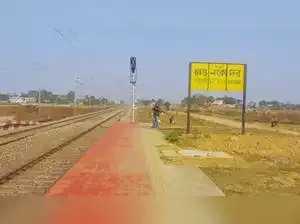
One such eerie location is a railway station in West Bengal’s Purulia district, in the Kotshila–Muri section of the Ranchi division. Just hearing the name of this station is said to unsettle people. According to local accounts, railway employees were once so terrified that no one was willing to work there. The fear eventually grew so intense that the Railways had no choice but to shut the station down—an extraordinary closure that lasted 42 years.
Even during its years of abandonment, stories continued to circulate. It was said that whenever trains passed through the station, an unnatural silence would descend inside the coaches. After evening, the platform would appear completely lifeless—not a single person in sight, not even animals. The station in question is Begunkodar.
This wasn’t always the case. In the 1960s, Begunkodar was a busy and hopeful stop, established through the efforts of Santhal queen Lachan Kumari. For residents of the surrounding villages, the station was a symbol of progress in an otherwise remote area. New opportunities seemed close at hand, and the mood was one of celebration. But that optimism didn’t last long.
In 1967, the station master reportedly claimed he had seen a witch standing on the railway tracks. Soon, whispers spread of a mysterious woman dressed in a white saree who was said to roam the tracks at night. The rumor raced through nearby villages, and more people began claiming similar sightings. Over time, a belief took hold that a young woman who had taken her own life on the tracks had returned as a witch.
Although railway officials dismissed these stories as superstition, events took a darker turn when the station master and his entire family were found dead just days later. The incident sent shockwaves through the region. After that, no staff member was willing to stay posted at Begunkodar. Trains stopped halting there, and repeated attempts by the Railways to deploy employees failed. Eventually, the decision was made to shut the station completely. Begunkodar had turned into a “ghost station” in every sense.
For years, passengers felt uneasy as their trains slowed near the deserted platform or passed through it. In the 1990s, locals began demanding the station’s reopening, and the Railways finally took note. After remaining closed for more than four decades, Begunkodar railway station reopened in 2009, following efforts by then Railway Minister Mamata Banerjee.
Today, Begunkodar functions as a small stop station and is managed by a private firm. Even now, it is said that no regular railway staff is posted there—adding yet another layer to its unsettling reputation.
One such eerie location is a railway station in West Bengal’s Purulia district, in the Kotshila–Muri section of the Ranchi division. Just hearing the name of this station is said to unsettle people. According to local accounts, railway employees were once so terrified that no one was willing to work there. The fear eventually grew so intense that the Railways had no choice but to shut the station down—an extraordinary closure that lasted 42 years.
Even during its years of abandonment, stories continued to circulate. It was said that whenever trains passed through the station, an unnatural silence would descend inside the coaches. After evening, the platform would appear completely lifeless—not a single person in sight, not even animals. The station in question is Begunkodar.
This wasn’t always the case. In the 1960s, Begunkodar was a busy and hopeful stop, established through the efforts of Santhal queen Lachan Kumari. For residents of the surrounding villages, the station was a symbol of progress in an otherwise remote area. New opportunities seemed close at hand, and the mood was one of celebration. But that optimism didn’t last long.
In 1967, the station master reportedly claimed he had seen a witch standing on the railway tracks. Soon, whispers spread of a mysterious woman dressed in a white saree who was said to roam the tracks at night. The rumor raced through nearby villages, and more people began claiming similar sightings. Over time, a belief took hold that a young woman who had taken her own life on the tracks had returned as a witch.
Although railway officials dismissed these stories as superstition, events took a darker turn when the station master and his entire family were found dead just days later. The incident sent shockwaves through the region. After that, no staff member was willing to stay posted at Begunkodar. Trains stopped halting there, and repeated attempts by the Railways to deploy employees failed. Eventually, the decision was made to shut the station completely. Begunkodar had turned into a “ghost station” in every sense.
For years, passengers felt uneasy as their trains slowed near the deserted platform or passed through it. In the 1990s, locals began demanding the station’s reopening, and the Railways finally took note. After remaining closed for more than four decades, Begunkodar railway station reopened in 2009, following efforts by then Railway Minister Mamata Banerjee.
Today, Begunkodar functions as a small stop station and is managed by a private firm. Even now, it is said that no regular railway staff is posted there—adding yet another layer to its unsettling reputation.