Why Chanakya Could Never Create Ram Rajya, Even With All His Intelligence
Ram Rajya is often remembered as the ideal kingdom built on justice, peace, and moral values. It reflects leadership guided by dharma and selfless duty. Chanakya Niti, in contrast, focuses on strategy, power, and survival of the state. While many assume both ideas support the same vision of governance, ancient philosophy reveals a deeper difference. Ram represents ethical leadership that uplifts society, while Chanakya emphasizes political success and stability. Both shaped Indian thought, yet their purposes remain fundamentally different. Understanding this contrast helps readers grasp how power and values define true leadership.
Ram Rajya and the Ideal of Dharma
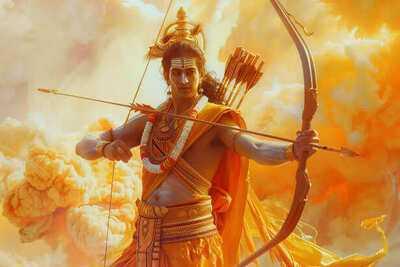
Ram Rajya represents a kingdom guided by dharma, where justice, compassion, and moral duty shaped governance. Lord Ram ruled through righteousness and self-sacrifice, not fear or manipulation. His life showed how a king should serve society with humility and integrity. Ram never chased power for personal gain. He became a living example of ethical leadership and spiritual discipline. His actions inspired people to follow moral values and seek inner growth. Ram Rajya remains a timeless model of ideal rule, proving that true leadership is rooted in character, trust, and devotion to the greater good.
Chanakya and the Science of Power
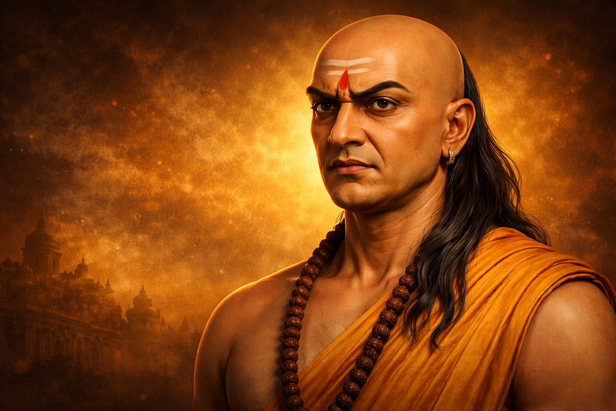
Chanakya believed that a weak kingdom always leads to chaos and instability. In the Arthashastra, he focuses on artha, which means power, success, and state control. For Chanakya, rules and moral codes were practical tools used to protect the kingdom, not spiritual ideals. He did not emphasize liberation or moksha, as his concern was effective governance. According to his political wisdom, a strong ruler maintains order and prevents disorder, even when difficult or harsh decisions are necessary. This realistic approach to leadership made Chanakya one of India’s most influential thinkers on politics, strategy, and statecraft.
Myth, History, and Cultural Memory
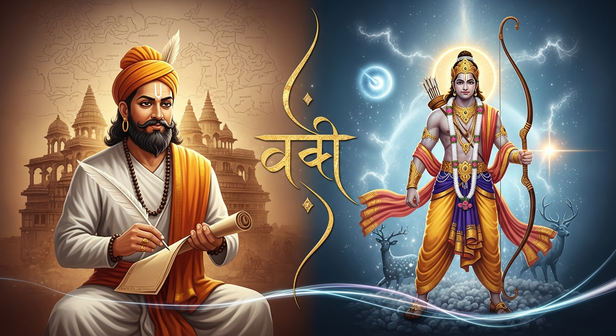
Ram belongs to sacred myth, written to show how God lives as a human ideal. Through the Ramayana, society received a moral blueprint based on truth, duty, and compassion. Chanakya belongs to history, remembered as a sharp thinker and kingmaker who shaped real politics. His Arthashastra served as a practical guide to power, governance, and survival. Both texts shaped India’s imagination and values, yet their purposes were different. One guided the soul toward righteousness, while the other trained rulers to protect and control the state. Together, they reveal India’s deep understanding of morality and leadership.
Why Chanakya Is Not Ram
Ram represents wisdom lived through action and moral choice. He upholds dharma as the highest truth and guides society toward moksha, the freedom beyond material life. Chanakya represents sharp intellect and political realism, focusing on survival, strength, and success of the state. For him, dharma supports power rather than defines it. Their philosophies do not conflict by chance. They answer different human needs within civilization. Ram offers spiritual direction and moral clarity. Chanakya offers structure and stability. Together, they reveal why Indian thought balances inner growth with worldly order.
Ram, Krishna, and the Misunderstood ComparisonMany people compare Chanakya to Lord Krishna because both used intelligence and strategy. This comparison, however, is misleading. Krishna and Lord Ram acted to restore dharma and protect moral balance, not to gain personal success or political control. Even when Krishna used strategy, his purpose was always spiritual order and cosmic harmony. Chanakya’s loyalty remained with the state and its survival, not divine law. This key difference separates divine wisdom from political realism and explains why Krishna and Ram remain symbols of dharma, while Chanakya represents strategic governance.
Understanding divine duty beyond clevernessRam Rajya teaches how humans should live with values, compassion, and moral responsibility. Chanakya Niti explains how states survive through strategy, discipline, and strength. One speaks to the soul, while the other addresses power and governance. Indian philosophy respects both paths but never confuses their purpose. When wisdom guides power, society grows stable and humane. When power acts without wisdom, order may continue, but meaning slowly fades. History shows that lasting civilizations are built when ethical values lead authority, not when authority rules alone.
Unlock insightful tips and inspiration on personal growth, productivity, and well-being. Stay motivated and updated with the latest at My Life XP.
Frequently Asked Questions (FAQs)
1. What is the main idea of Ram Rajya?
Ram Rajya represents an ideal society based on dharma, justice, compassion, and moral living. It teaches how humans should live with values and responsibility.
2. What does Chanakya Niti focus on?
Chanakya Niti focuses on statecraft, strategy, and survival of kingdoms. It explains how power, discipline, and intelligence help a state remain strong and stable.
3. Are Ram Rajya and Chanakya Niti the same?
No. Ram Rajya is rooted in moral wisdom and spiritual values, while Chanakya Niti is rooted in political realism and governance.
4. Why are Ram and Chanakya often compared?
They are compared because both influenced leadership ideals in India. However, Ram represents dharma, while Chanakya represents practical power.
5. What does Indian philosophy teach about power and wisdom?
Indian philosophy teaches that power should be guided by wisdom. When values lead authority, society flourishes and gains lasting meaning.
Ram Rajya and the Ideal of Dharma
Lord Ram as the symbol of justice and moral order
Ram Rajya represents a kingdom guided by dharma, where justice, compassion, and moral duty shaped governance. Lord Ram ruled through righteousness and self-sacrifice, not fear or manipulation. His life showed how a king should serve society with humility and integrity. Ram never chased power for personal gain. He became a living example of ethical leadership and spiritual discipline. His actions inspired people to follow moral values and seek inner growth. Ram Rajya remains a timeless model of ideal rule, proving that true leadership is rooted in character, trust, and devotion to the greater good.
Chanakya and the Science of Power
Chanakya shaping kings through intellect and strategy
Chanakya believed that a weak kingdom always leads to chaos and instability. In the Arthashastra, he focuses on artha, which means power, success, and state control. For Chanakya, rules and moral codes were practical tools used to protect the kingdom, not spiritual ideals. He did not emphasize liberation or moksha, as his concern was effective governance. According to his political wisdom, a strong ruler maintains order and prevents disorder, even when difficult or harsh decisions are necessary. This realistic approach to leadership made Chanakya one of India’s most influential thinkers on politics, strategy, and statecraft.
Myth, History, and Cultural Memory
Chanakya and Ram remembered through myth and history
Ram belongs to sacred myth, written to show how God lives as a human ideal. Through the Ramayana, society received a moral blueprint based on truth, duty, and compassion. Chanakya belongs to history, remembered as a sharp thinker and kingmaker who shaped real politics. His Arthashastra served as a practical guide to power, governance, and survival. Both texts shaped India’s imagination and values, yet their purposes were different. One guided the soul toward righteousness, while the other trained rulers to protect and control the state. Together, they reveal India’s deep understanding of morality and leadership.
Why Chanakya Is Not Ram
Ram represents wisdom lived through action and moral choice. He upholds dharma as the highest truth and guides society toward moksha, the freedom beyond material life. Chanakya represents sharp intellect and political realism, focusing on survival, strength, and success of the state. For him, dharma supports power rather than defines it. Their philosophies do not conflict by chance. They answer different human needs within civilization. Ram offers spiritual direction and moral clarity. Chanakya offers structure and stability. Together, they reveal why Indian thought balances inner growth with worldly order.
Ram, Krishna, and the Misunderstood ComparisonMany people compare Chanakya to Lord Krishna because both used intelligence and strategy. This comparison, however, is misleading. Krishna and Lord Ram acted to restore dharma and protect moral balance, not to gain personal success or political control. Even when Krishna used strategy, his purpose was always spiritual order and cosmic harmony. Chanakya’s loyalty remained with the state and its survival, not divine law. This key difference separates divine wisdom from political realism and explains why Krishna and Ram remain symbols of dharma, while Chanakya represents strategic governance.
Understanding divine duty beyond clevernessRam Rajya teaches how humans should live with values, compassion, and moral responsibility. Chanakya Niti explains how states survive through strategy, discipline, and strength. One speaks to the soul, while the other addresses power and governance. Indian philosophy respects both paths but never confuses their purpose. When wisdom guides power, society grows stable and humane. When power acts without wisdom, order may continue, but meaning slowly fades. History shows that lasting civilizations are built when ethical values lead authority, not when authority rules alone.
Unlock insightful tips and inspiration on personal growth, productivity, and well-being. Stay motivated and updated with the latest at My Life XP.
Frequently Asked Questions (FAQs)
1. What is the main idea of Ram Rajya?
Ram Rajya represents an ideal society based on dharma, justice, compassion, and moral living. It teaches how humans should live with values and responsibility.
2. What does Chanakya Niti focus on?
Chanakya Niti focuses on statecraft, strategy, and survival of kingdoms. It explains how power, discipline, and intelligence help a state remain strong and stable.
3. Are Ram Rajya and Chanakya Niti the same?
No. Ram Rajya is rooted in moral wisdom and spiritual values, while Chanakya Niti is rooted in political realism and governance.
4. Why are Ram and Chanakya often compared?
They are compared because both influenced leadership ideals in India. However, Ram represents dharma, while Chanakya represents practical power.
5. What does Indian philosophy teach about power and wisdom?
Indian philosophy teaches that power should be guided by wisdom. When values lead authority, society flourishes and gains lasting meaning.
Contact to : xlf550402@gmail.com
Copyright © boyuanhulian 2020 - 2023. All Right Reserved.