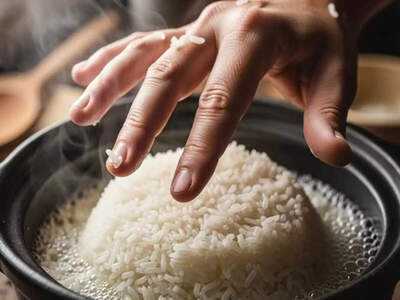
Identifying Plastic Rice: Rice is a staple in many households, cherished for its versatility in various dishes. Authentic, high-quality rice emits a delightful aroma when cooked and has a pleasing taste. Unfortunately, the market is now flooded with imitation rice that resembles plastic, making it difficult for consumers to differentiate between the two. Many individuals purchase rice in bulk, often between 5 to 10 kilograms. Here are some effective methods to distinguish real rice from fake plastic rice at home.
If you notice that the rice you’ve cooked feels unusually hard and plastic-like, it may be a sign of fake rice. Imitation rice tends to develop a rubbery layer on top during cooking and does not soften as expected. Due to its plastic composition, it may even begin to melt.
The issue of food adulteration is increasingly prevalent, posing serious health risks. Many individuals share videos on social media highlighting such adulteration in food products. If you suspect your rice might be fake, you can conduct a simple test at home to verify its authenticity.
To check for plastic rice, observe its appearance. If it appears shiny, perform the water test. While these methods won't definitively confirm the presence of plastic, they can help identify suspicious grains. Take a handful of rice and place it in a bowl of water. Stir it gently. Typically, artificial grains will float, while genuine rice will sink, as plastic is less dense than water.
If most of the rice sinks, it is likely safe to consume. Any floating grains may be broken or hollow and should be discarded. A significant number of floating grains could indicate poor quality.
Another method is to burn a small sample of rice. Synthetic rice reacts differently to flame compared to natural rice. Real rice, when burned, will leave ash and produce a roasted aroma, while plastic rice may melt, curl, or emit a strong chemical smell. If you notice a shiny layer melting and a strong artificial odor, do not eat the rice and report it to local food authorities.
Additionally, cook a small portion of rice without adding salt or oil. If it’s plastic rice, it will form a rubbery layer on top and remain hard during cooking.
After cooking, press a grain of rice between your fingernails or rub it against a hard surface. Genuine rice should flatten or spread due to the softening of its starch. If the rice remains hard, it may be undercooked or of inferior quality. The authenticity of rice can also be assessed by its aroma, grain size, and texture after cooking.
Contact to : xlf550402@gmail.com
Copyright © boyuanhulian 2020 - 2023. All Right Reserved.