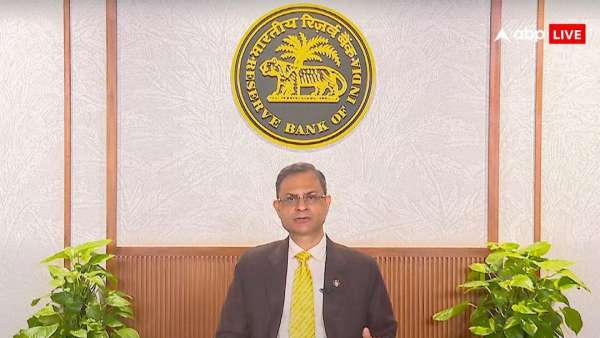
The Reserve Bank of India has kept the repo rate unchanged at 5.25 per cent in its February 2026 policy meeting. This pause comes after a cumulative 125 basis point cut over the past year, at a time when inflation is under control and economic growth remains strong. For households, this decision is less about what changes today and more about how to use the lower interest rate environment that is already in place.
What it means for loan EMIs
Since most home loans and other retail loans are linked to external benchmarks, the earlier rate cuts have already reduced borrowing costs. With no change in the repo rate now, EMIs on existing loans are unlikely to rise in the near term. This offers predictability for monthly budgets. Borrowers now have a clear choice. They can use the lower EMI to ease cash flow or continue paying the earlier EMI amount to reduce loan tenure and save significantly on interest over time.
What savers should expect
For savers, a steady repo rate means fixed deposit rates are also likely to remain stable. Banks have already lowered deposit rates over the past year, and today’s pause signals that sharp increases in FD returns are unlikely. Instead of waiting for higher rates, savers may consider locking into suitable tenures at current levels and spreading deposits to manage reinvestment risk.
Inflation and household expenses
RBI’s decision suggests that inflation is not an immediate concern. While prices of some items may fluctuate, broad-based inflationary pressure appears limited for now. This helps households plan routine expenses such as food, utilities, school fees, and transport with greater confidence.
New customer protection measures
Beyond interest rates, RBI announced several steps aimed at protecting bank customers. These include draft guidelines to curb mis-selling, improve loan recovery practices, and limit customer liability in unauthorised digital transactions. Importantly, RBI has proposed compensating customers up to Rs 25,000 for losses from small-value fraudulent transactions. This recognises the risks that come with widespread digital payments and shifts more responsibility onto institutions.
Easier credit for small businesses and housing
The RBI has proposed increasing the limit for collateral-free loans to MSMEs from Rs 10 lakh to Rs 20 lakh, improving access to formal credit for small businesses. It has also proposed allowing banks to lend to REITs under prudential safeguards, which could support funding for income-generating real estate and deepen financial markets over time.
Today’s policy announcements lean more towards stability than surprise. EMIs are unlikely to rise, FD rates may stay range-bound, inflation remains manageable, and customer protections are being strengthened. For households, this is a good phase to review loans, optimise savings, and plan finances calmly rather than wait for dramatic policy moves.
(The author is CEO, BankBazaar.com. This article has been published as part of a special arrangement with BankBazaar)
Contact to : xlf550402@gmail.com
Copyright © boyuanhulian 2020 - 2023. All Right Reserved.