
A medical expert has warned about a leg position that passengers should steer clear of during flights. Dr Neena Chandrasekaran, whospecialises in pulmonary and critical care, took to social media to highlight the widespread error many travellers make, and why avoiding it matters.
Posting under the TikTok handle @neenziemd, she points out that "you are at a higher risk of blood clots" whilst airborne. She revealed: "This is because the barometric pressure induces an inflammatory state within our bodies and can lead to clots in our bodies. Especially our legs."
Most of us know the sensation of restricted leg space during a plane journey- unless you've splashed out on extra room. Yet what often goes unnoticed is that crossing your legs poses a significant hazard.
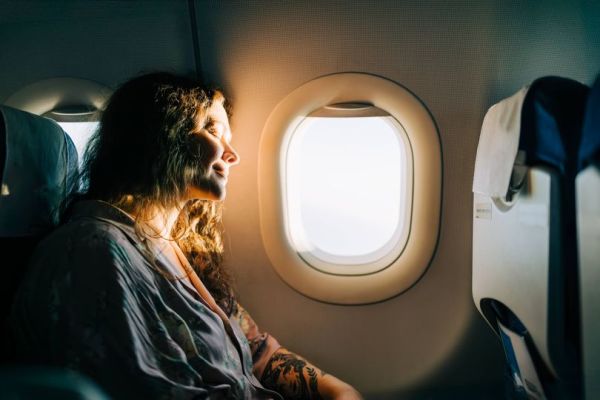
The medical professional cautions: "The worst position to have your feet is crossed. This is because if your legs are crossed, that allows for more blood to pull with your veins being pressed against each other", reports Surrey Live.
Discussing the atmospheric conditions at altitude compared to ground level, she explains: "The barometric pressure in the air is a lot higher and different than what's normal ground", like when we're walking or driving. That said, she does mention the exception of long-distance road trips.
• UK travellers could face six-hour airport delays flying to Spain, France, and Italy
• Major passport changes begin in weeks as Home Office explains what you will need
She also recommends purchasing "compression stockings" to address the problem and minimise your risk. The doctor adds: "So if you're travelling, especially internationally, take walks. Make sure that you are moving around that blood flow."
To achieve this, she advises to "not stay in one place. You can walk in aisles, you can do little exercises under your seat." And for those wanting to catch some shut-eye during a flight, specialists suggest taking "power naps."
In addition to the expert, medical professionals from Harvard Health say that a strategically-timed nap can leave you feeling revitalised and sharp, whilst avoiding the sluggishness that typically comes from sleeping too long.
Specialists advise following two essential guidelines -getting the timing right and keeping it short. Napping for this duration "can effectively increase your level of alertness and focus", according to the experts.
Harvard Health states: "Power naps allow your body and mind to rest without entering deeper stages of sleep. Once you enter deep sleep - typically about 30 minutes after you've fallen asleep - you are likely to experience 'sleep inertia' upon waking.
"Sleep inertia is the drowsy feeling you may get when you wake up, in which you feel temporarily disoriented and are slower to react. It can take your body 30 to 60 minutes to recover from sleep inertia."
Contact to : xlf550402@gmail.com
Copyright © boyuanhulian 2020 - 2023. All Right Reserved.