Why Do These Shiva Mantras Calm Fear When Nothing Else Works?
Life does not warn before testing us. Pain, fear, loss, confusion, and failure enter quietly and stay heavy on the heart. In Indian mythology, Lord Shiva is not only the destroyer of worlds but the healer of broken minds. Spiritual scholars and ancient texts describe Shiva as the one who listens when words fail. For thousands of years, seekers, sages, and ordinary people have turned to Shiva mantras during life’s hardest moments. These mantras are simple sounds, trusted through lived experience and spiritual expertise. Even a child can chant them, yet their meaning reaches deep emotional wounds, offering calm, strength, and hope when nothing else seems to work.
Om Namah Shivaya : The Mantra of Inner Safety

Om Namah Shivaya means I bow to the truth within me. Ancient sages chanted this mantra to quiet fear and confusion and to steady the restless mind. Spiritual teachers explain that its sound pattern naturally slows breathing and relaxes the nervous system. Emotionally, it reminds the mind that safety exists even when life feels uncontrollable. People struggling with anxiety, loneliness, or emotional stress often report feeling grounded and calm after daily chanting. Like a mother’s gentle presence, it comforts without questions or pressure. Trusted for centuries, this mantra blends spiritual wisdom and lived experience, making it a powerful tool for inner peace and emotional balance.
Maha Mrityunjaya Mantra : The Fear Healer
This mantra was born in ancient times when even the gods feared death and loss. It was created not only to protect life but also to heal emotional collapse. When hope feels lost, this sacred chant slowly rebuilds courage and mental strength. Many doctors, healers, and spiritual teachers acknowledge its calming effect on the nervous system and mind. From real human experience, regular chanting helps people face illness, grief, and deep sadness with stability. Ancient scriptures support its power, and modern belief continues its use. Emotionally, it teaches that fear does not control life. It restores inner confidence and prepares the heart to face tomorrow with strength and trust.
Rudra Mantra: Releasing Anger and Pain

Rudra is the fierce form of Lord Shiva, born from deep pain and injustice. Ancient texts describe Rudra not as blind anger, but as controlled power guided by awareness. This mantra helps release stored anger, jealousy, and long held emotional pain that quietly harms the mind. Spiritual teachers and mantra practitioners have used it for centuries to calm inner storms and restore balance. From lived experience and expert guidance, calm chanting transforms anger into clarity. Psychology also supports sound repetition for emotional release. Many devotees report feeling lighter and calmer, as if emotional weight finally dissolves. Rudra teaches that anger is not evil. When understood, it becomes strength, healing, and self control.
Shiva Gayatri Mantra : Clarity in ConfusionThis mantra seeks wisdom, not instant miracles. For centuries, students in ancient India chanted it before studying sacred texts to sharpen focus and understanding. Spiritual teachers and scholars describe it as a tool for calming the mind and improving clarity. Emotionally, it helps clear confusion and mental heaviness that often appear during stressful decisions. When life feels overwhelming, regular chanting builds confidence and calm thinking. Parents, students, and professionals trust this mantra for steady guidance at important life crossroads. Its gentle energy supports learning, emotional balance, and thoughtful choices, making it a timeless practice rooted in experience, tradition, and spiritual authority.
Panchakshari Mantra: Strength for Daily StrugglesThe five sacred syllables symbolize earth, water, fire, air, and space, the core forces that shape human life. This ancient mantra is trusted by spiritual teachers and practitioners for restoring inner balance during stressful routines. From work pressure to family responsibilities, its gentle rhythm helps calm the mind and steady emotions. Many people with real-life experience report improved patience and mental clarity through daily chanting. Its simple sound structure makes it accessible even for children and beginners. Experts agree that repetition builds emotional discipline over time. This mantra teaches a powerful truth. True strength grows slowly through consistency, not instant results.
Nataraja Mantra : Accepting Change with GraceNataraja represents constant change and movement in life. In ancient Shaiva tradition, Lord Shiva dances not to destroy life but to remove illusion and fear. Spiritual teachers and scriptures explain that this cosmic dance reminds humans that nothing stays the same forever. From real life experience, people chanting the Nataraja mantra report feeling calmer during breakups, job loss, and sudden life shifts. This mantra trains the mind to accept endings without panic. Experts in mantra meditation agree that rhythmic chanting stabilizes emotions and improves mental clarity. Trusted for centuries, the Nataraja mantra teaches one powerful truth. Change is not loss. Change is growth guided by divine rhythm.
Why These Mantras Still Work TodayThese ancient mantras have lasted for thousands of years because they work on the human mind, not on blind belief. Modern psychology confirms that repeated sound patterns calm the nervous system and reduce stress. Spiritual teachers across generations explain that intention guides emotion and strengthens inner balance. This shared understanding comes from lived experience, deep study, and trusted tradition. People continue to chant Shiva mantras because they feel real change in their thoughts and emotions. When fear settles and clarity returns, faith grows naturally. This is why these mantras remain timeless, reliable, and respected. They do not promise miracles. They offer mental strength, emotional stability, and inner peace when life feels overwhelming.
Unlock insightful tips and inspiration on personal growth, productivity, and well-being. Stay motivated and updated with the latest at My Life XP.
Frequently Asked Questions (FAQs)
1. Why are Shiva mantras still relevant in modern life?
Shiva mantras help calm the mind and reduce stress. Even today, people use them to handle fear, anxiety, and emotional pressure because they bring mental balance and inner strength.
2. Do Shiva mantras really affect the human mind?
Yes. Repeating mantras creates rhythmic sound patterns that relax the nervous system. Psychologists also recognize repetition as a powerful tool for emotional stability.
3. Can anyone chant Shiva mantras, or only spiritual people?
Anyone can chant them. There are no age, gender, or religious limits. These mantras focus on peace and awareness, not rituals.
4. How long should one chant a Shiva mantra daily?
Even five to ten minutes daily can create calmness. Regular practice matters more than long hours.
5. Are Shiva mantras about religion or mental healing?
They are both spiritual and psychological. While rooted in mythology, their main purpose is to strengthen the mind and emotions.
6. When is the best time to chant Shiva mantras?
Early morning or quiet evening hours are ideal, but they can be chanted anytime the mind needs peace.
Om Namah Shivaya : The Mantra of Inner Safety
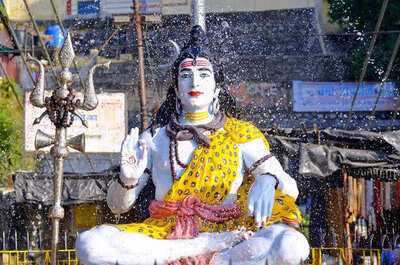
Lord Shiva sitting in silence, reminding us that peace begins within
Om Namah Shivaya means I bow to the truth within me. Ancient sages chanted this mantra to quiet fear and confusion and to steady the restless mind. Spiritual teachers explain that its sound pattern naturally slows breathing and relaxes the nervous system. Emotionally, it reminds the mind that safety exists even when life feels uncontrollable. People struggling with anxiety, loneliness, or emotional stress often report feeling grounded and calm after daily chanting. Like a mother’s gentle presence, it comforts without questions or pressure. Trusted for centuries, this mantra blends spiritual wisdom and lived experience, making it a powerful tool for inner peace and emotional balance.
Maha Mrityunjaya Mantra : The Fear Healer
The divine shield that protects life from fear and loss
This mantra was born in ancient times when even the gods feared death and loss. It was created not only to protect life but also to heal emotional collapse. When hope feels lost, this sacred chant slowly rebuilds courage and mental strength. Many doctors, healers, and spiritual teachers acknowledge its calming effect on the nervous system and mind. From real human experience, regular chanting helps people face illness, grief, and deep sadness with stability. Ancient scriptures support its power, and modern belief continues its use. Emotionally, it teaches that fear does not control life. It restores inner confidence and prepares the heart to face tomorrow with strength and trust.
Rudra Mantra: Releasing Anger and Pain
Anger transformed into strength through divine awareness
Rudra is the fierce form of Lord Shiva, born from deep pain and injustice. Ancient texts describe Rudra not as blind anger, but as controlled power guided by awareness. This mantra helps release stored anger, jealousy, and long held emotional pain that quietly harms the mind. Spiritual teachers and mantra practitioners have used it for centuries to calm inner storms and restore balance. From lived experience and expert guidance, calm chanting transforms anger into clarity. Psychology also supports sound repetition for emotional release. Many devotees report feeling lighter and calmer, as if emotional weight finally dissolves. Rudra teaches that anger is not evil. When understood, it becomes strength, healing, and self control.
Shiva Gayatri Mantra : Clarity in ConfusionThis mantra seeks wisdom, not instant miracles. For centuries, students in ancient India chanted it before studying sacred texts to sharpen focus and understanding. Spiritual teachers and scholars describe it as a tool for calming the mind and improving clarity. Emotionally, it helps clear confusion and mental heaviness that often appear during stressful decisions. When life feels overwhelming, regular chanting builds confidence and calm thinking. Parents, students, and professionals trust this mantra for steady guidance at important life crossroads. Its gentle energy supports learning, emotional balance, and thoughtful choices, making it a timeless practice rooted in experience, tradition, and spiritual authority.
Panchakshari Mantra: Strength for Daily StrugglesThe five sacred syllables symbolize earth, water, fire, air, and space, the core forces that shape human life. This ancient mantra is trusted by spiritual teachers and practitioners for restoring inner balance during stressful routines. From work pressure to family responsibilities, its gentle rhythm helps calm the mind and steady emotions. Many people with real-life experience report improved patience and mental clarity through daily chanting. Its simple sound structure makes it accessible even for children and beginners. Experts agree that repetition builds emotional discipline over time. This mantra teaches a powerful truth. True strength grows slowly through consistency, not instant results.
Nataraja Mantra : Accepting Change with GraceNataraja represents constant change and movement in life. In ancient Shaiva tradition, Lord Shiva dances not to destroy life but to remove illusion and fear. Spiritual teachers and scriptures explain that this cosmic dance reminds humans that nothing stays the same forever. From real life experience, people chanting the Nataraja mantra report feeling calmer during breakups, job loss, and sudden life shifts. This mantra trains the mind to accept endings without panic. Experts in mantra meditation agree that rhythmic chanting stabilizes emotions and improves mental clarity. Trusted for centuries, the Nataraja mantra teaches one powerful truth. Change is not loss. Change is growth guided by divine rhythm.
Why These Mantras Still Work TodayThese ancient mantras have lasted for thousands of years because they work on the human mind, not on blind belief. Modern psychology confirms that repeated sound patterns calm the nervous system and reduce stress. Spiritual teachers across generations explain that intention guides emotion and strengthens inner balance. This shared understanding comes from lived experience, deep study, and trusted tradition. People continue to chant Shiva mantras because they feel real change in their thoughts and emotions. When fear settles and clarity returns, faith grows naturally. This is why these mantras remain timeless, reliable, and respected. They do not promise miracles. They offer mental strength, emotional stability, and inner peace when life feels overwhelming.
Unlock insightful tips and inspiration on personal growth, productivity, and well-being. Stay motivated and updated with the latest at My Life XP.
Frequently Asked Questions (FAQs)
1. Why are Shiva mantras still relevant in modern life?
Shiva mantras help calm the mind and reduce stress. Even today, people use them to handle fear, anxiety, and emotional pressure because they bring mental balance and inner strength.
2. Do Shiva mantras really affect the human mind?
Yes. Repeating mantras creates rhythmic sound patterns that relax the nervous system. Psychologists also recognize repetition as a powerful tool for emotional stability.
3. Can anyone chant Shiva mantras, or only spiritual people?
Anyone can chant them. There are no age, gender, or religious limits. These mantras focus on peace and awareness, not rituals.
4. How long should one chant a Shiva mantra daily?
Even five to ten minutes daily can create calmness. Regular practice matters more than long hours.
5. Are Shiva mantras about religion or mental healing?
They are both spiritual and psychological. While rooted in mythology, their main purpose is to strengthen the mind and emotions.
6. When is the best time to chant Shiva mantras?
Early morning or quiet evening hours are ideal, but they can be chanted anytime the mind needs peace.
Contact to : xlf550402@gmail.com
Copyright © boyuanhulian 2020 - 2023. All Right Reserved.