
Why Do People Say This Door of Padmanabhaswamy Temple Should Not Be Opened?
If you are allowed to enter every room of a place… except one, which room would you think about the most?
This is exactly what happened inside Padmanabhaswamy Temple.
Officials opened inner rooms. Wealth was counted. Records were made. Cameras rolled. Reports were submitted. The nation watched. And just when it seemed like nothing was left unseen, everyone stopped in front of one silent door.
No attempt to open it.
No tools.
No force.
Not even after the Supreme Court examined the matter.
That pause is what turned a closed door into a question mark.
In a time when we break seals, open archives, and demand answers for everything, this door stood still—untouched by curiosity, protected by caution. People began asking not
what is inside, but
why it was left alone.
The reason this door remains closed has little to do with fear or superstition. It has everything to do with tradition, design, responsibility, and a rare decision to respect limits instead of crossing them.
1. It is the only inner door never opened during official inspections

Yet one inner door was excluded from this process. It was examined visually but never opened. This was not an oversight. It was a conscious decision taken after discussion with temple authorities, experts, and legal bodies. The fact that every other inner space was accessed makes this single exception highly significant.
2. The Supreme Court consciously chose restraint over forceThe matter eventually reached the Supreme Court of India during proceedings related to temple administration and protection of assets. The court had the authority to order access if it felt necessary.
Instead, the court examined expert reports, temple customs, and safety concerns and chose not to direct that the door be opened. This was not a rejection of transparency, but an acknowledgment that heritage sites operate differently from modern vaults or buildings.
In legal terms, this decision reflected judicial caution. In cultural terms, it reinforced the idea that not all sacred spaces are meant to be treated as inspectable property.
3. The Door has no visible lock, handle, or key systemOne of the most researched and least sensational facts is architectural. The door does not resemble a conventional door meant for regular use. There is no visible lock, no keyhole, and no handle.
This immediately raises a design question. Ancient temple architecture followed purpose driven design. Storage rooms had access mechanisms. Ritual spaces had symbolic boundaries. The absence of any opening system suggests that the door may never have been intended for routine entry.
Experts have pointed out that forcing such a structure open would mean breaking, not opening, which carries both physical and ethical consequences.
4. Traditional belief treats the door as a sacred boundary
 Most popular Krishna temples for marriage wishes
In temple philosophy, not all spaces are equal. Some areas are meant for worship, some for ritual preparation, and some exist purely as symbolic enclosures.
According to long held belief associated with the temple, this door represents a boundary protecting the sanctum rather than a space meant for storage or access. Such boundaries are respected through restraint, not crossed through curiosity.
For devotees, opening it would not be an act of discovery but a violation of ritual order that has been maintained for centuries.
5. No historical record describes its contents or purposeTemple records from the region are unusually detailed. They mention donations, land grants, ornaments, and even specific ceremonial items stored in other rooms.
However, there is no written description of what lies behind this door. The silence is consistent across historical documents. This absence suggests intentional exclusion rather than accidental loss of records.
Historians argue that when documentation deliberately avoids a space, it often indicates symbolic significance rather than material importance.
6. Safety and structural concerns were taken seriouslyApart from belief and tradition, practical risks were also considered. The temple is centuries old, built using traditional methods without modern reinforcements.
Experts raised concerns about unknown internal conditions such as air pressure changes, structural imbalance, or damage to nearby walls and foundations if the door were breached. Since no one knew the internal layout or condition, opening it without necessity posed real risks.
When preservation is the goal, uncertainty becomes a strong reason for restraint.
7. The Door is not treated as a storehouse of wealthUnlike other rooms that clearly contained offerings accumulated over generations, this door has never been officially described as holding valuables.
This distinction matters. If the door were believed to contain wealth meant for accounting or public knowledge, pressure to open it would have been stronger. Instead, it is treated as something separate from material accumulation.
This separation reinforces the idea that the door’s purpose is symbolic or protective, not economic.
8. It Reflects an older idea of sacred responsibilityIn earlier times, temples were not managed with the mindset of extraction or exposure. They were managed with the idea of guardianship. The role of caretakers was to protect what was entrusted to them, not to reveal everything.
The continued closure of this door reflects that older ethic. Modern systems often prioritize answers and access. Ancient systems prioritized continuity and balance.
This clash of mindsets is at the heart of the debate.
9. The Mystery persists because restraint was chosen repeatedly
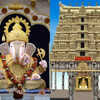 Dagadusheth Halwai Ganpati to showcase Padmanabhaswamy Temple replica this Ganeshotsav
Over the years, media attention, public curiosity, and speculation increased. Yet at every stage, from temple authorities to legal institutions, the decision remained the same.
The door was observed, discussed, evaluated, and deliberately left closed. This repeated restraint is important. It shows that the mystery exists not because of fear or ignorance, but because informed parties consistently chose caution.
10. The Question it raises is larger than the door itselfThe door has become a symbol. It represents a question modern society rarely asks. Should everything that can be opened be opened?
In a world driven by access, data, and disclosure, this door stands as a reminder that some spaces are defined by limits. Its continued closure invites reflection rather than answers.
This is exactly what happened inside Padmanabhaswamy Temple.
Officials opened inner rooms. Wealth was counted. Records were made. Cameras rolled. Reports were submitted. The nation watched. And just when it seemed like nothing was left unseen, everyone stopped in front of one silent door.
No attempt to open it.
No tools.
No force.
Not even after the Supreme Court examined the matter.
That pause is what turned a closed door into a question mark.
In a time when we break seals, open archives, and demand answers for everything, this door stood still—untouched by curiosity, protected by caution. People began asking not
what is inside, but
why it was left alone.
The reason this door remains closed has little to do with fear or superstition. It has everything to do with tradition, design, responsibility, and a rare decision to respect limits instead of crossing them.
1. It is the only inner door never opened during official inspections
Kochi, Nov 19 (IANS) The Kerala High Court on Wednesday directed the Administrative Committee of the Padmanabhaswamy Temple located in the heart of the state capital city, to provide an update on the consent of the shilpis (traditional sculptors) and the finalisation of materials required for the renovation of the temple's Moolavigraha (principal idol).
During the early 2010s, several inner rooms of the temple were opened and documented under strict monitoring. These inspections were conducted carefully, with video recording, inventory preparation, and expert supervision.Yet one inner door was excluded from this process. It was examined visually but never opened. This was not an oversight. It was a conscious decision taken after discussion with temple authorities, experts, and legal bodies. The fact that every other inner space was accessed makes this single exception highly significant.
2. The Supreme Court consciously chose restraint over forceThe matter eventually reached the Supreme Court of India during proceedings related to temple administration and protection of assets. The court had the authority to order access if it felt necessary.
Instead, the court examined expert reports, temple customs, and safety concerns and chose not to direct that the door be opened. This was not a rejection of transparency, but an acknowledgment that heritage sites operate differently from modern vaults or buildings.
In legal terms, this decision reflected judicial caution. In cultural terms, it reinforced the idea that not all sacred spaces are meant to be treated as inspectable property.
3. The Door has no visible lock, handle, or key systemOne of the most researched and least sensational facts is architectural. The door does not resemble a conventional door meant for regular use. There is no visible lock, no keyhole, and no handle.
This immediately raises a design question. Ancient temple architecture followed purpose driven design. Storage rooms had access mechanisms. Ritual spaces had symbolic boundaries. The absence of any opening system suggests that the door may never have been intended for routine entry.
Experts have pointed out that forcing such a structure open would mean breaking, not opening, which carries both physical and ethical consequences.
4. Traditional belief treats the door as a sacred boundary
Most popular Krishna temples for marriage wishes In temple philosophy, not all spaces are equal. Some areas are meant for worship, some for ritual preparation, and some exist purely as symbolic enclosures.
According to long held belief associated with the temple, this door represents a boundary protecting the sanctum rather than a space meant for storage or access. Such boundaries are respected through restraint, not crossed through curiosity.
For devotees, opening it would not be an act of discovery but a violation of ritual order that has been maintained for centuries.
5. No historical record describes its contents or purposeTemple records from the region are unusually detailed. They mention donations, land grants, ornaments, and even specific ceremonial items stored in other rooms.
However, there is no written description of what lies behind this door. The silence is consistent across historical documents. This absence suggests intentional exclusion rather than accidental loss of records.
Historians argue that when documentation deliberately avoids a space, it often indicates symbolic significance rather than material importance.
6. Safety and structural concerns were taken seriouslyApart from belief and tradition, practical risks were also considered. The temple is centuries old, built using traditional methods without modern reinforcements.
Experts raised concerns about unknown internal conditions such as air pressure changes, structural imbalance, or damage to nearby walls and foundations if the door were breached. Since no one knew the internal layout or condition, opening it without necessity posed real risks.
When preservation is the goal, uncertainty becomes a strong reason for restraint.
7. The Door is not treated as a storehouse of wealthUnlike other rooms that clearly contained offerings accumulated over generations, this door has never been officially described as holding valuables.
This distinction matters. If the door were believed to contain wealth meant for accounting or public knowledge, pressure to open it would have been stronger. Instead, it is treated as something separate from material accumulation.
This separation reinforces the idea that the door’s purpose is symbolic or protective, not economic.
8. It Reflects an older idea of sacred responsibilityIn earlier times, temples were not managed with the mindset of extraction or exposure. They were managed with the idea of guardianship. The role of caretakers was to protect what was entrusted to them, not to reveal everything.
The continued closure of this door reflects that older ethic. Modern systems often prioritize answers and access. Ancient systems prioritized continuity and balance.
This clash of mindsets is at the heart of the debate.
9. The Mystery persists because restraint was chosen repeatedly
Dagadusheth Halwai Ganpati to showcase Padmanabhaswamy Temple replica this Ganeshotsav Over the years, media attention, public curiosity, and speculation increased. Yet at every stage, from temple authorities to legal institutions, the decision remained the same.
The door was observed, discussed, evaluated, and deliberately left closed. This repeated restraint is important. It shows that the mystery exists not because of fear or ignorance, but because informed parties consistently chose caution.
10. The Question it raises is larger than the door itselfThe door has become a symbol. It represents a question modern society rarely asks. Should everything that can be opened be opened?
In a world driven by access, data, and disclosure, this door stands as a reminder that some spaces are defined by limits. Its continued closure invites reflection rather than answers.
Contact to : xlf550402@gmail.com
Copyright © boyuanhulian 2020 - 2023. All Right Reserved.