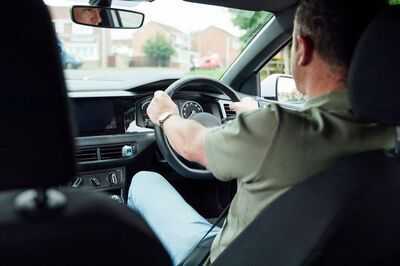
Around 1 million drivers have been given a key health condition update from the Department for Transport. Officials responded to a Parliamentary written question asking about the monitoring process for people subject to blood sugar monitoring drivers licence renewals.
In the UK, driver licence renewals subject to blood sugar monitoring are generally mandatory for individuals with diabetes treated with insulin, or those treating their condition with specific medications like sulfonylureas or glinides that carry a high risk of hypoglycemia.
These drivers must provide evidence of regular, appropriate blood sugar monitoring, often resulting in 1, 2, or 3-year restricted licences. Approximately 4.6 million people are diagnosed with diabetes in the UK, and while all of those with Type 1, roughly 464,000, require insulin, a significant number of Type 2 patients also use it. Roughly 25% of people with Type 2 diabetes take insulin, suggesting a total insulin-dependent population likely exceeding 1 million people potentially could be impacted by this kind of licence renewals.
- £349 TV Licences required for certain UK households - who has to pay
- 'World's most important' car named – and Jeremy Clarkson is fuming
Liberal Democrat Charlie Maynardasked Secretary of State for Transport Heidi Alexander: “If she will set out the process for driver licence renewals which are subject to the monitoring of blood sugar levels, including Freestyle Libre.”
Simon LightwoodParliamentary Under-Secretary (Department for Transport)said: “The Driver and Vehicle Licensing Agency (DVLA) assesses licence applications from drivers using insulin or other diabetes medications based on the risk of hypoglycaemia and the stability of diabetes management.
“Car and motorcycle drivers who use insulin must demonstrate adequate hypoglycaemic awareness and must not have experienced two or more episodes of severe hypoglycaemia in the previous 12 months. The most recent episode must have occurred more than three months prior to application. Drivers are also required to attend regular medical reviews and meet the statutory eyesight standards.
“Drivers of lorries and buses are subject to more stringent medical requirements due to the size of their vehicles and the length of time they spend driving. They must have had no episodes of severe hypoglycaemia within the last 12 months, demonstrate full hypoglycaemic awareness, and provide medical evidence of stable diabetes control. This includes four weeks of glucose readings as part of an annual independent diabetes medical assessment when they apply for a licence.”
He said anyone taking insulin has to carry out regular checks: “All insulin-treated drivers must comply with glucose monitoring requirements, including checking glucose levels before driving and at regular intervals while driving. Monitoring may be undertaken using either finger-prick testing or continuous glucose monitoring systems, including Freestyle Libre.
For drivers using non-insulin diabetes medications, assessments focus on whether the treatment carries a risk of hypoglycaemia. Car and motorcycle drivers are required to notify the DVLA only if such a risk exists, while lorry and bus drivers must notify the DVLA of any diabetes medication use. In all cases, licence entitlement depends on evidence of stable diabetes management, appropriate monitoring, and effective hypoglycaemic control.
“Changes to insulin or medication dosage do not automatically affect a person’s entitlement to drive.”
For more information around the rules for driving with diabetes visitthe Diabetes UK website here.
Contact to : xlf550402@gmail.com
Copyright © boyuanhulian 2020 - 2023. All Right Reserved.