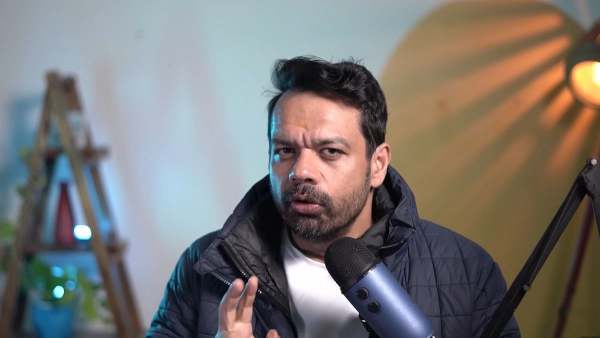
Former pilot and YouTuber Gaurav Taneja said the Baramati plane crash was caused by poor visibility, lack of navigational aids and risky pilot decisions. He noted the airfield is uncontrolled and visibility was below the legal minimum for visual landings. Taneja ruled out mechanical failure, citing no Mayday call, and warned of wider risks at small Indian airports.
Former commercial pilot and YouTuber Gaurav Taneja, in his latest video given a detailed analysis of the Baramati plane crash, which killed Maharashtra Deputy CM Ajit Pawar on January 28, 2026. He highlighted serious concerns about weather conditions, infrastructure gaps and pilot decision-making at small Indian airfields.
In his video, Taneja explained that Baramati is an uncontrolled airfield, meaning it does not have an official control tower or radar coverage. While a local flying school operated an unofficial tower for coordinating small aircraft, it was not maintained by the Airports Authority of India and lacked formal authority.
The Learjet 45 involved in the crash departed Mumbai normally and was handed over to Pune Air Traffic Control. However, once the aircraft descended toward Baramati, it fell outside radar coverage, leaving pilots dependent entirely on visual cues.
According to official reports cited by Taneja, visibility at Baramati at the time was 3,000 metres. Since the airfield lacks navigational aids and instrument landing systems, regulations mandate a minimum visibility of 5,000 metres for visual landings. “Attempting a landing in those conditions was illegal,” Taneja said.
The aircraft attempted an initial landing but aborted after failing to sight the runway. It then returned for a second visual approach. Taneja explained that during visual approaches, pilots rely solely on eyesight, without instrument guidance to ensure correct altitude or alignment. On the second attempt, the aircraft likely became misaligned with the runway.
At low speed, with landing gear and flaps deployed, aircraft operate close to stall speed. Taneja noted that a sharp banking turn at such a stage significantly increases stall speed, reducing safety margins. He believes the aircraft stalled close to the ground, making recovery impossible.
Crucially, no Mayday call was issued, suggesting there was no mechanical failure. Taneja attributed the crash to a combination of poor visibility, lack of airport infrastructure, pressure to land due to VIP passengers, sunrise glare, and overconfidence stemming from pilot experience.
He also raised broader concerns about India’s smaller airports, stating that many lack proper weather-reporting instruments and rely on rough visual estimates. “Big airports record everything. Small airfields operate largely on judgement,” he said.
Taneja highlighted that final conclusions should await the official investigation but warned that the incident highlights systemic risks in regional aviation infrastructure.
Contact to : xlf550402@gmail.com
Copyright © boyuanhulian 2020 - 2023. All Right Reserved.