
Both are healthier than white sugar, but fiber, portion size and blood sugar impact make the difference.
As more people move away from refined sugar, traditional natural sweeteners like dates and jaggery have found renewed popularity in Indian kitchens. Both are considered better alternatives to white sugar due to their nutritional content, but when weight loss is the goal, the choice between the two needs closer examination.
Dates are whole fruits, naturally rich in fibre, essential minerals and antioxidants. This fiber plays a key role in slowing digestion, improving satiety and preventing sudden spikes in blood sugar. Because they take longer to chew and digest, dates help control hunger and reduce the urge to snack frequently, making them easier to fit into a calorie-controlled diet.
Jaggery, on the other hand, is a processed sweetener made from sugarcane juice or palm sap. While it is less refined than white sugar and retains minerals such as iron, potassium and magnesium, most of its fiber is lost during processing. As a result, jaggery provides little satiety and is absorbed quickly into the bloodstream.
From a fullness and appetite-control perspective, dates have a clear advantage. Their soluble fiber expands in the stomach, helping you feel satisfied for longer. Studies published in nutrition journals have consistently shown that higher-fibre foods improve satiety and reduce overall calorie intake. Jaggery, being low in fibre, may leave you craving more sweets soon after consumption.
Calorie density is another important factor. Both dates and jaggery contain significant calories, but portion control differs. Dates naturally limit overeating because they are chewy and filling; one or two dates are often enough to curb a sweet craving. Jaggery, however, is easy to overconsume, especially when melted into tea, desserts or daily cooking, where calorie intake becomes harder to track.
Blood sugar response also matters for weight management. Dates generally have a low to medium glycemic index due to their fiber content, supporting steadier energy levels and fewer hunger pangs. Jaggery has a higher glycemic index and can cause quicker rises and falls in blood sugar, which may trigger cravings and overeating.
Nutritionally, both options offer benefits beyond sweetness. Dates provide antioxidants such as flavonoids and phenolic compounds that support metabolic health. Jaggery is valued for its iron content, especially for people with low haemoglobin. However, nutritional value alone does not offset excessive calorie intake when weight loss is the objective.
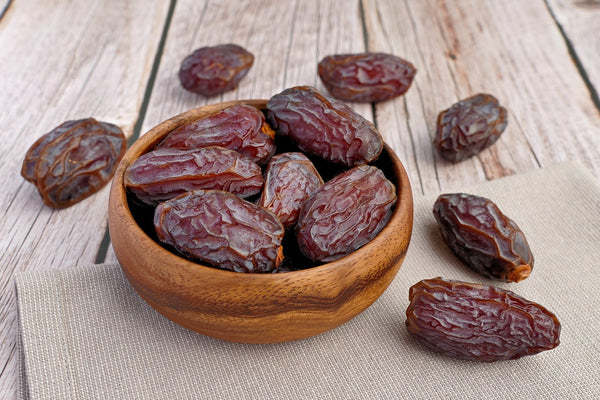
Usage patterns further influence outcomes. Dates can be eaten whole as snacks, added in small quantities to porridge or smoothies, or used as natural binders in energy bars. Jaggery is typically used in larger quantities during cooking, making it easier to exceed daily calorie limits without realizing it.
For those focused on weight loss, nutritionists generally consider dates the better option due to their fibre, satiety and gentler impact on blood sugar. Experts usually recommend limiting dates to one or two pieces per day. Jaggery intake is best kept minimal — around half to one teaspoon daily — as it behaves similarly to sugar in the body.
Sports and clinical dietitians often suggest consuming one to two dates before workouts for quick, natural energy, as they provide a mild energy boost without the crash associated with refined sugar or jaggery. Post-workout consumption should still follow strict portion control.
Ultimately, moderation and mindful use matter more than the label “natural.” Dates can support controlled eating patterns when used wisely, while jaggery is best reserved for occasional indulgence rather than daily weight-loss diets.
Disclaimer: This article is for general information only and does not replace professional medical or nutritional advice. Individual dietary needs may vary.
Contact to : xlf550402@gmail.com
Copyright © boyuanhulian 2020 - 2023. All Right Reserved.