Highlights
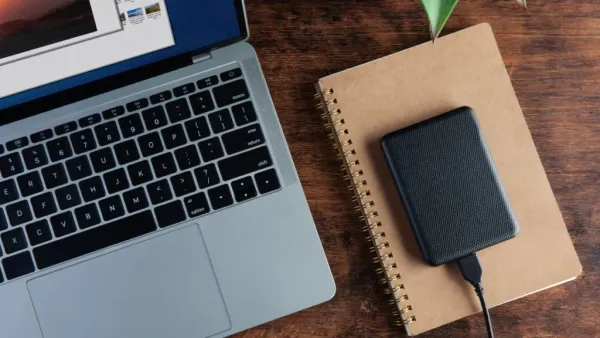
- Charges laptops, phones, and multiple devices with one powerful 100 W GaN solution
- Compact, travel-friendly design that stays airline-safe and easy to carry
- Reliable USB-C Power Delivery for fast, safe charging on the move
A few years ago, power banks were simple devices. You used them when your phone battery was low. That was it. Nobody expected them to power laptops or work as a replacement for wall chargers.
Today, that thinking has changed. More people are travelling with laptops. Remote work is common. Even short trips now involve carrying a phone, earbuds, smartwatch, tablet, and sometimes a camera. Charging all these devices has become a daily challenge.
This is where 100 W GaN power banks enter the picture. They are smaller than expected, powerful enough for laptops, and slowly becoming a travel essential for many people.
Why Power Banks Are No Longer Just for Phones
The biggest change happened when laptops moved to USB-C charging. Once that door opened, power banks were no longer limited to phones. Modern laptops are designed to be efficient. They do not always need heavy power bricks. A strong USB-C power source is often enough.
At the same time, phones started supporting faster charging. Tablets became more powerful. All this pushed users to look for one charging solution instead of carrying many chargers. A 100 W power bank solves this problem in a very simple way. One device. One cable. Multiple gadgets.
What GaN Technology Actually Does
GaN stands for Gallium Nitride. You do not need to remember the name. What matters is what it does. GaN allows chargers and power banks to handle more power without getting too hot. Because of this, manufacturers can reduce size and weight.
Earlier, a high-power charging device was bulky and heavy. Today, a 100 W GaN power bank can easily fit in a backpack pocket. For travellers, this change is important. Nobody wants extra weight while moving through airports or train stations.
Can a 100 W Power Bank Charge a Laptop in Real Life
Yes, it can. But expectations should be realistic. If you are using a modern laptop like a MacBook, Dell XPS, HP Spectre, or Lenovo ThinkPad, a 100 W power bank works well. It can charge the battery or keep the laptop running during work.
However, it is not meant to replace a wall charger in all situations. Heavy tasks like video editing or gaming will drain power faster. For normal travel work such as emails, writing, browsing, and meetings, it does the job without trouble.
USB-C Power Delivery Is Not Optional
This is something many buyers miss. Just having a USB-C port does not mean full power support. To get 100 W output, the power bank must support USB-C Power Delivery.
Without Power Delivery support, charging speed drops sharply. This can make an expensive power bank feel disappointing. Travellers should always check Power Delivery support before buying, especially if laptop charging is the main reason.
Battery Size and Flight Rules
Air travel brings its own limits. Most airlines allow power banks up to 100 Wh in carry-on bags. Some allow more with approval, but that is not guaranteed.
Because of this, many brands design 100 W power banks carefully. They stay just under the allowed limit to avoid airport problems. Before travelling internationally, checking airline battery rules is a smart move. It avoids last-minute stress at security checks.
Charging Speed During Travel
Charging speed depends on how you use the power bank. Phones usually charge very fast. In many cases, they reach a high battery level within an hour. Tablets take a little longer, but are still much faster than regular power banks.
Laptops may take more time, especially if they are in use. Still, the ability to gain battery during travel makes a big difference. For people working on the move, even partial charging is useful.
Why the Right Cable Matters
This is a small detail that many users ignore. Not all USB-C cables support high power. Some cables limit charging speed even if the power bank is capable of more. Using a poor cable can make a 100 W power bank behave like a basic one. Travellers should use good-quality USB-C cables designed for high power. It may cost a little more, but it avoids frustration later.
Charging Multiple Devices Together
Most 100 W power banks come with more than one port. This allows users to charge a phone, earbuds, and a laptop at the same time. The power is shared between devices. This shared charging is slower, but still practical. It removes the need to carry many chargers and adapters. For travel situations, convenience often matters more than maximum speed.
Are High-Wattage Power Banks Safe for Phones
Yes, they are safe. Modern power banks are smart. They adjust power based on the connected device. A phone will only draw the power it needs. There is no risk of damage if the power bank supports proper charging standards. This makes 100 W power banks suitable for both small and large devices.
How Travellers Actually Use These Power Banks
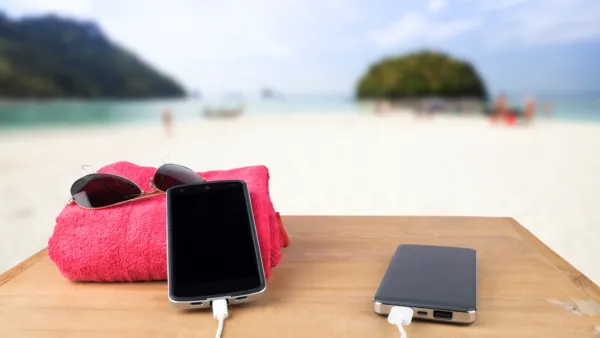
At airports, charging points are often busy or broken. A personal power source allows travellers to work without searching for sockets. On long train or bus journeys, power outlets may not work properly. A power bank gives control instead of dependence.

During international trips, plug types change. A power bank reduces the need to carry many adapters. For many travellers, this freedom is the biggest benefit.
Charging the Power Bank Itself
A powerful power bank also needs proper charging. Using a slow wall charger can take many hours to refill it. This is not ideal during short stays. To get the best experience, a fast USB-C wall charger is useful. Many travellers already carry one for their laptop. This setup keeps everything simple.
Price and Who Should Buy One
100 W GaN power banks are not cheap. They cost more than basic phone power banks. For travellers who only charge a phone, this is unnecessary. But for people who travel with laptops and multiple gadgets, the value is clear. One power bank replaces several chargers. Over time, it can even reduce travel clutter.
Brands Pushing This Category Forward
Many global brands are focusing on high-wattage power banks. They are improving design, safety, and compatibility. The goal is clear. One power solution for all devices. As demand grows, prices may become more reasonable and options more varied.
Limitations You Should Know
Even with GaN technology, these power banks are heavier than basic models. They also need good cables and chargers to work properly. Without them, users may not see the full benefit. Understanding these limits helps avoid disappointment.
Is 100 W Too Much for Most Users
For casual users, yes. For frequent travellers, remote workers, and professionals, it makes sense. The decision depends on how many devices you carry and how often you travel.
Final Thoughts
Power banks with 100 W GaN chargers are changing how people manage power while travelling. They are no longer backup devices. For some users, they are the main power source on the move.
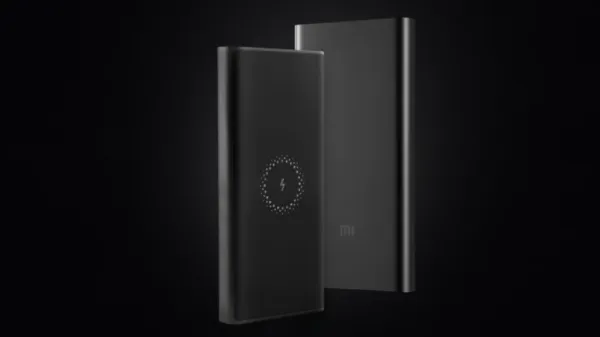
They are not perfect, and they are not cheap. But for the right user, they solve real problems. As travel and work continue to mix, these power banks are likely to become more common in everyday travel bags.
Contact to : xlf550402@gmail.com
Copyright © boyuanhulian 2020 - 2023. All Right Reserved.