
More than a million people receive a vital vaccination every year that can protect four out of five against severe illness. The RSV vaccination significantly reduces the risk of serious respiratory illness and deaths in older people.
Now the Government has said it will make changes to who is eligible for the jab. The changes to the RSV vaccination scheme will start on April 1, 2026, and specifically affect people in England.
The move comes as part of an effort to improve protection against the respiratory syncytial virus. Since September 2024, RSV vaccinationhas been routinely offered to older adults turning 75, with an initial catch-up provided to those aged 75 and over on September 1, 2024.
- Cardiologist says 'never ignore' these 10 symptoms of heart disease
- Simple diet hailed by Michael Mosley after it reversed his diabetes and aided weight loss
However, from April 1, 2026, the scheme's eligibility criteria will also include those aged 80 years and over, with no upper age limit. While this topic was considered in 2025, the Government published a letter delving further into the scheme earlier today.
The letter is signed by Caroline Temmink, Director of Vaccination at NHS England, and Dr Mary Ramsay CBE, Director of Public Health Programmes (including immunisation) at the UK Health Security Agency (UKHSA). The document, addressed to those responsible for delivering and commissioning the RSV vaccination programme,explains: "The forthcoming change from 1 April 2026 will expand the eligibility criteria for the older adult RSV programme to also include those aged 80 years and over (with no upper age limit).
"Adults aged 75 years and over who have not previously received a single dose of RSV vaccine under the NHS RSV campaign may be offered the vaccine from this point forward. In addition, all residents in care homes for older adults will also become eligible, regardless of their age, due to their increased risk from RSV."
The letter further states that this expansion will enable providers to offer co-administration with the COVID-19 vaccine starting in spring 2026 for eligible people. This is especially encouraged in care homes for older adults 'to help achieve high uptake before rates of RSV circulation increase in the winter months, and to reduce costs to the NHS'.
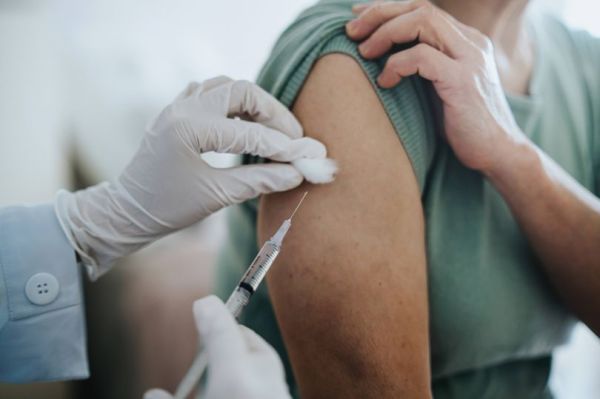
It continues: "However, RSV vaccines can be administered at any time and offers of vaccination should continue throughout the year. GP providers are expected to deliver a 100% offer to eligible groups, with call and recall delivered at the earliest opportunity.
"Providers should also ensure they have robust plans in place to identify and address health inequalities for all underserved groups, and it is expected progress will be made on reducing unwarranted variation and improving uptake."
Respiratory syncytial virus - or RSV - is one of the most common viruses that cause coughs and colds in winter. While many infections get better on their own, they can sometimes be serious for babies and older adults.
According to theNHS, common symptoms include a runny or blocked nose, coughing, sneezing, tiredness and a high temperature with shivering. If RSV leads to a more serious infection, it may also cause the following symptoms:
- A cough that gets worse
- Shortness of breath
- Faster breathing or long gaps between breaths
- Difficulty feeding (in babies) or loss of appetite
- Noisy breathing (wheezing)
- Confusion (in older adults)
Further advice from the NHS explains: "There's no specific treatment for an RSV infection. It often gets better on its own in one or two weeks and you can usually look after yourself or your child at home.
"Children and adults who get a more serious infection may need to be treated in hospital. Treatment in hospital may include being given fluids to avoid dehydration or oxygen to help you breathe."
To learn more about RSV and who else is eligible for the vaccination, visit the NHS website here. You may also read the full letter from NHS England and theUKHSA at GOV.UK here.
Contact to : xlf550402@gmail.com
Copyright © boyuanhulian 2020 - 2023. All Right Reserved.