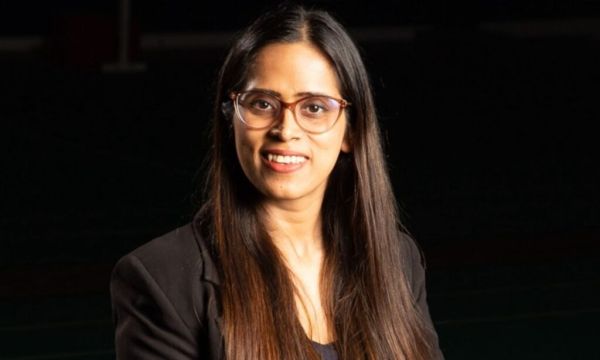
For decades and even today many National Sports Federations around the world have relied on manual processes to run tournaments, manage players, their rankings and track results. But Stupa Sports is working to change that.
Co-founded by Megha Gambhir and her husband Deepak Malik, Stupa Sports is an Indian sports-tech startup.
“The idea came from my husband Deepak who spent over two decades in sports as an international table tennis player and coach. Through his journey, he saw a clear gap in how technology was being used in sports, especially in India,” Megha Gambhir, CEO & Co-Founder of Stupa Sports, explained.
“When he travelled with the Indian team, he saw how advanced performance analysis, tournament management, and data usage were in other countries. That’s when the idea emerged. Why can’t athletes here have access to the same level of data, insights, and digital infrastructure?” Megha narrated.
What began as a performance analytics initiative for elite athletes in 2020 evolved into a larger mission. The insights led to a strategic pivot toward building a full-stack, end-to-end SaaS platform for sports governance.
“We started as a B2C company focused on athlete performance analysis. We worked with world-class athletes and even contributed to medal-winning performances at the Tokyo Olympics, which validated our work. But we soon realised that before advanced performance analytics, many athletes and federations didn’t even have access to basic digital data like tournament results, live scores, or structured records. That’s when we pivoted,” she said.
Stupa’s core product, Stupa Events, enables federations and leagues to digitize their entire operations starting from tournaments and league management to live scoring, player databases, rankings, and memberships.
“Our belief was simple, by empowering federations and organisers with technology, we could create a much larger impact for athletes, fans, and the entire ecosystem,” she added.
Centralizing these functions on a single platform would mean saving time, improving accuracy, and creating a strong digital footprint for their sport. But how does this work?
“Once this foundational data is captured, Stupa layers in AI-driven insights that help players, coaches, and administrators analyze performance trends, generate match highlights, and access personalized statistics. This data-first approach also opens new commercial opportunities, allowing federations to monetize live streams, sponsorships, and fan engagement,” she added.
International federations have already seen measurable impact. “Interestingly, our earliest clients were international, not Indian. Our first federation client was the Sweden National Table Tennis Federation, followed by partnerships across Europe, Oceania, the US, and Australia,” she said.
“Today, we work with over 30 federations and leagues across table tennis, pickleball, padel, tennis, and volleyball. We are actively operating in Europe, Oceania, the US, and India, and we aim to partner with 200–300 federations globally over the next two to three years,” she added.
“In fact, one European federation moved from zero digital presence to over three million monthly viewers within 18 months of adopting our platform,” she highlighted.
Helping federations move from manual record-keeping to data-driven ecosystems, Stupa Sports is introducing professionalism and laying the foundation for the future of sport. But challenges remain and the biggest difference is in the approach. The global federations remain open to embracing the change, the Indian federations remained reluctant.
“The difference between working with international and Indian federations is significant. International federations are far ahead in digital adoption, planning, and professionalism. They understand how technology can transform a sport’s ecosystem,” she pointed.
“In India, many federations are still figuring out how to consume technology. While there’s a lot of conversation around AI, even basic digitisation like live scoring or structured record-keeping is often missing. That mindset is slowly changing, and I believe the shift will happen over the next 5-6 years,” Megha concluded.
Contact to : xlf550402@gmail.com
Copyright © boyuanhulian 2020 - 2023. All Right Reserved.