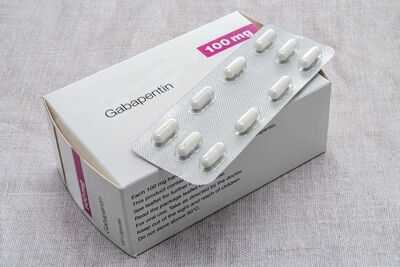
Thousands of people take a common painkiller to help ease what can be painful or disturbing symptoms. Gabapentin is a prescription only drug which isused to treat epilepsy and nerve pain.
Nerve pain can be caused by different conditions, including diabetes and shingles, and can also happen after an injury. It is thought to work by blocking pain signals as they travel through the brain and down the spine.
In epilepsy, it's thought that gabapentin stops seizures by reducing the abnormal electrical activity in the brain. Most people are able to take it, but there are some for whom it is unsuitable. You must tell your doctor if you:
- NHS GP names 2 types of patients she has to 'try to look calm' around
- Boeing 737 declares mid-air emergency after 'serious passenger interference'
- have ever had an allergic reaction to gabapentin or any other medicine
- have ever misused or been addicted to a medicine
- are trying to get pregnant or are already pregnant
- are on a controlled sodium or potassium diet, or your kidneys do not work well (gabapentin liquid contains sodium and potassium, so speak to your doctor before taking it)
While most people do not get any side effects, there can be some common, mild issues, including feeling sleepy, tired and dizzy, And there are some which are more serious and need a call to a doctor or 111 "straight away"..
Common side effects
It says: "Like all medicines, gabapentin can cause side effects, although not everyone gets them. These common side effects of gabapentin may happen in more than 1 in 100 people.
"They're usually mild and go away by themselves." These include:
- Feeling sleepy, tired or dizzy
- Feeling sick (nausea)
- Being sick (vomiting)
- Diarrhoea
- Mood changes
- Swollen arms and legs
- Blurred vision
- Dry mouth
- Difficulty getting an erection
- Weight gain
- Memory problems
- Headaches
- Getting more infections than usual
Serious side effects
The NHS advises: "Very few people taking gabapentin have serious problems." But it adds: "Call a doctor or call 111 straight away if you have a serious side effect, including:
- thoughts of harming or killing yourself – a small number of people taking gabapentin have had suicidal thoughts, which can happen after only a week of treatment
- a high temperature, swollen glands that do not go away, your eyes or skin turn yellow (this may be less obvious on brown or black skin), unusual bruises or bleeding, severe tiredness or weakness, unexpected muscle pain or weakness, with or without a rash – these may be symptoms of a serious reaction

- long-lasting stomach pain, feeling sick or being sick – these may be warning signs of an inflamed pancreas
- muscle pain or weakness and you're having dialysis treatment because of kidney failure
- seeing things that are not there (hallucinations)
Long-term side effects
The NHS said there are some long-term side effects to watch for. It explains: "Some people can become addicted to gabapentin. If this happens, you'll have withdrawal symptoms after you stop taking the medicine.
"When you stop taking gabapentin, you'll need to reduce your dose gradually to avoid withdrawal symptoms. Do not stop taking gabapentin without talking to your doctor. Talk to your doctor if you're concerned about becoming physically dependent on gabapentin."
Contact to : xlf550402@gmail.com
Copyright © boyuanhulian 2020 - 2023. All Right Reserved.