A simple “two-day diet” could help people lower their cholesterol levels. Research has found that “bad” cholesterol levels dropped by 10 per cent, with the results lasting six weeks.
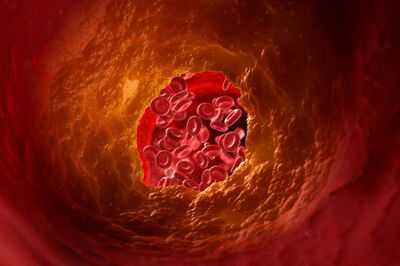
Having high cholesterol means you have too much of a fatty substance known as cholesterol in your blood. Over time, this can cause the arteries to harden and narrow, making it more difficult for blood to pass through.
This is a major risk factor for medical emergencies such as heart attacks and strokes. While many people with high cholesterol will be prescribed medication to help, it is also possible to improve your levels through changing your diet.
Now a study, published in Nature Communications journal, has revealed that eating oatmeal, a type of porridge, could do just this. More specifically, those who followed a low-calorie diet consisting primarily of oatmeal for two days experienced a long-lasting reduction in low-density lipoprotein (LDL) - also known as “bad” cholesterol.
The reduced levels of cholesterol lasted for six weeks after the two-day diet. As reported by Medical News Today, LDL levels were reduced by 10 per cent.
Although this is less than the amount achievable with medication, it is still considered significant. As part of the study, two trial groups of people were given different diets involving oats.
Participants in both groups had metabolic syndrome, which included having high blood pressure, high blood lipid levels, high blood sugar levels, and being overweight. The first group were given a two-day oatmeal diet.
The participants exclusively ate oatmeal, which they had previously boiled in water, three times a day. They were only allowed to add some fruit or vegetables to their meals.
They ate 300 grams of oatmeal on each of the two days and only consumed around half of their normal calories. A control group was also put on a calorie-reduced diet, although this did not consist of oats.

Both groups benefited from the change in diet. However, the effect was much more pronounced for the participants who followed the oat-based diet.
Study author Marie-Christine Simon, junior professor at the Institute of Nutritional and Food Science at the University of Bonn, said: “The level of particularly harmful LDL cholesterol fell by 10 per cent for them – that is a substantial reduction, although not entirely comparable to the effect of modern medications. They also lost two kilos in weight on average and their blood pressure fell slightly.”
The positive effects of the oat-based diet was evident six weeks later. “A short-term oat-based diet at regular intervals could be a well-tolerated way to keep the cholesterol level within the normal range and prevent diabetes,” Prof Simon said.
“As a next step, it can now be clarified whether an intensive oat-based diet repeated every six weeks actually has a permanently preventative effect.”
The second trial explored the effect of integrating oats on a regular basis into their existing diet. Seventeen people replaced one daily meal with oats - in their choice of porridge, oatmeal, smoothies, or baked goods - for six weeks while maintaining their overall typical daily caloric intake.
The 17 members of the control group in this trial did not change their typical diet, except that they did not consume oats. Overall, this trial not produce measurable changes in LDL or overall cholesterol levels after six weeks.
Other health bodies have previously advocated for oats to lower cholesterol. Harvard Health Publishing said: “An easy first step to lowering your cholesterol is having a bowl of oatmeal or cold oat-based cereal like Cheerios for breakfast. It gives you one to two grams of soluble fibre.”
This advice is supported by experts at the Mayo Clinic, who said: “Oatmeal has soluble fibre, which reduces your low-density lipoprotein (LDL) cholesterol, the "bad" cholesterol.”
Contact to : xlf550402@gmail.com
Copyright © boyuanhulian 2020 - 2023. All Right Reserved.