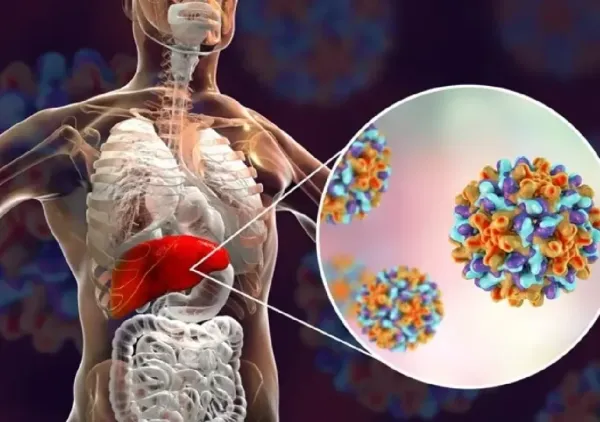
Leading liver disease experts have warned that global targets to eliminate hepatitis B and C remain difficult to achieve despite the availability of highly effective and curative therapies.
During a recent medical discussion, Nancy Reau and Kimberly Brown highlighted a major gap between scientific progress and real-world healthcare delivery. The discussion referenced observatory data compiled through collaborations between the World Health Organization and the Centers for Disease Control and Prevention.
Screening gaps remain biggest challenge
Experts stressed that viral hepatitis is now largely treatable or curable, yet elimination targets are being missed because patients are not being identified early enough.
Brown cited a successful example where viral hepatitis was eliminated within a dialysis population using universal testing. Instead of waiting for referrals, patients were systematically screened, and those testing positive were directly contacted for treatment.
She noted that relying on individual doctors to initiate screening often results in missed diagnoses.
Link between screening and treatment still weak
Reau pointed out that even in hospitals with strong screening systems in emergency departments and urgent care centres, linking patients to treatment remains difficult, especially if they are not regular healthcare users.
She also raised concern about patients being referred for abnormal liver tests without basic hepatitis screening, calling it a missed diagnostic opportunity rather than a clinical exclusion.
Focus shifting from drugs to delivery systems
Both experts agreed that the future of hepatitis elimination depends less on new medicines and more on systematic screening, proactive outreach and stronger patient tracking systems.
Improved coordination between primary care doctors and specialists will be critical to meeting global hepatitis elimination targets in the coming years.
Contact to : xlf550402@gmail.com
Copyright © boyuanhulian 2020 - 2023. All Right Reserved.