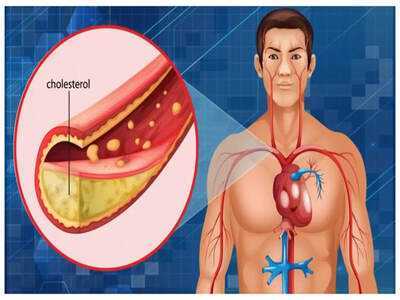
High cholesterol levels are increasingly prevalent today, posing significant risks to cardiovascular health. Once thought to primarily affect older adults, this condition is now frequently observed in younger individuals, including those under the age of 20.
The Role of Cholesterol in the Body
Cholesterol is a natural substance in our bodies and is not inherently harmful. It plays a crucial role in hormone production, cell structure, and digestion. However, issues arise when levels of low-density lipoprotein (LDL), commonly referred to as bad cholesterol, become elevated.
Identifying High Cholesterol Levels
Are your blood tests frequently indicating elevated cholesterol? Let's explore ways to manage it effectively.
The Dangers of Bad Cholesterol
One of the primary contributors to high LDL levels is poor dietary choices. Individuals who indulge in fried foods, trans fats, refined oils, fast food, and excessive butter or ghee are at a higher risk of developing elevated bad cholesterol. Additionally, sedentary lifestyles, prolonged sitting, obesity, smoking, and alcohol consumption can further exacerbate cholesterol levels.
Interestingly, certain common kitchen practices may also inadvertently contribute to rising cholesterol levels.
Excessive Oil and Butter Consumption
If your diet includes a significant amount of oil or butter, it's time to reconsider, as these habits can elevate blood cholesterol levels.
Butter is rich in saturated fats, and overconsumption can lead to a rapid increase in cholesterol levels. It's advisable to limit fried foods, which are detrimental to heart health, and to be cautious with refined oils, which can be particularly harmful.
The Risks of Processed Foods
Utilizing packaged spices, ready-made sauces, and processed foods can also contribute to higher bad cholesterol levels.
These foods often contain unhealthy fats, excessive salt, and preservatives, which significantly impact cholesterol levels. Regular consumption can lead not only to weight gain but also to an increased risk of heart disease. To manage cholesterol effectively, it's crucial to incorporate more fiber-rich grains, fruits, and vegetables into your diet.
The Dangers of Reusing Cooking Oil
In many households, cooking oil is reused multiple times, which is a major contributor to rising cholesterol levels.
Repeated heating of oil can produce trans fats and free radicals, which can quickly elevate bad cholesterol levels. Consuming such oil excessively may even heighten cancer risks. Reheated oil can accelerate inflammation and fat buildup in the arteries.
Strategies to Prevent High Cholesterol
Maintaining a balanced diet is essential for controlling cholesterol levels. Regularly consuming green vegetables, fruits, whole grains, oats, and lentils can help lower bad cholesterol. Incorporating healthy fats from nuts, seeds, and fish in moderation is also beneficial. Furthermore, aim for at least 30 minutes of physical activity daily and avoid smoking and alcohol.
PC Social Media
Contact to : xlf550402@gmail.com
Copyright © boyuanhulian 2020 - 2023. All Right Reserved.