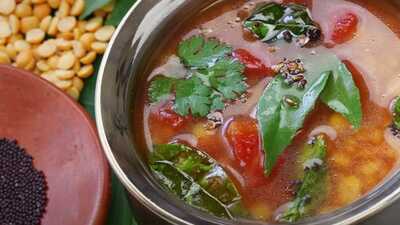
New Delhi: Long before soups were served in bowls at cafés, rasam was already simmering in South Indian homes. Dating back to the 16th century, this thin, peppery preparation was never treated as a starter or side. It was food with purpose, made to restore strength, settle digestion, and offer warmth during illness or weather changes. Across Tamil Nadu, Karnataka, Andhra Pradesh, and Kerala, rasam became part of everyday cooking and emotional care.
Rasam began as a healing drink and slowly turned into a daily habit. It was poured over rice, sipped warm, or served after heavy meals. Each household created its own version, yet the feeling remained constant. Rasam stayed simple, familiar, and deeply comforting.
History and benefits of rasam Origin of rasamRasam’s origins are traced to 16th-century Madurai, after the fall of the Vijayanagar empire and the establishment of Saurashtra rule. The Saurashtras, an immigrant community, prepared a broth using tamarind pulp and pepper, both locally available. The word rasam connects to “extract” in Tamil and “rasa,” meaning juice, in Sanskrit. Over time, tomatoes, curry leaves, and lime shaped the version known today.
How Karunas created rasamAnother widely shared belief credits a Madurai chef named Karunas with creating rasam. When the king’s son fell ill and refused food, a reward was announced for a nourishing dish he would accept. Karunas prepared a light, flavourful broth that helped the child recover, strengthening rasam’s reputation as a dish meant for healing.
Why rasam supports recoveryRasam’s ingredients are naturally functional. Pepper and ginger generate warmth, tamarind supports digestion, while garlic, cumin, hing, mustard, and fenugreek aid circulation and gut health. Rich in antioxidants, rasam continues to be prepared during colds, fatigue, and digestive discomfort.
Classic rasam recipe and ingredients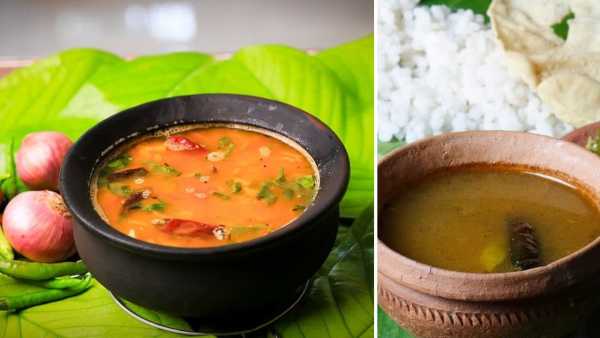
- Tamarind pulp: 1 lemon-sized ball (soaked in 1 cup hot water for 20 mins)
- Tomatoes: 2 medium, roughly chopped or crushed
- Water: 3-4 cups (including tamarind water)
- Turmeric Powder: ½ tsp
- Salt: To taste
- Jaggery: 1 tsp (optional, balances sourness)
- Curry leaves: 1 sprig
- Black Peppercorns: 1-2 tsp
- Cumin Seeds (Jeera): 2 tsp
- Garlic Cloves: 5-6 (with skin or peeled)
- Dry Red Chilies: 2-3
- (Alternative: Use 1.5 tbsp readymade rasam powder instead of grinding)
- Ghee or oil: 1-2 tbsp
- Mustard seeds: 1 tsp
- Asafoetida (Hing): A generous pinch
- Dried red chili: 1-2, broken
- Curry Leaves: A few
- Coriander leaves (Cilantro): 2 tbsp, chopped
Rasam still matters because it reminds us that food can heal without excess. Simple ingredients, gentle cooking, and care are enough to turn a meal into comfort.
Contact to : xlf550402@gmail.com
Copyright © boyuanhulian 2020 - 2023. All Right Reserved.