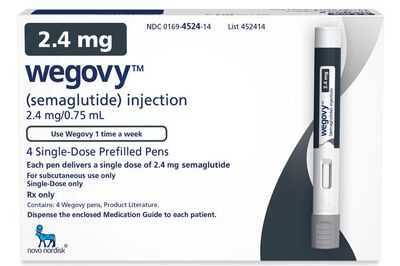
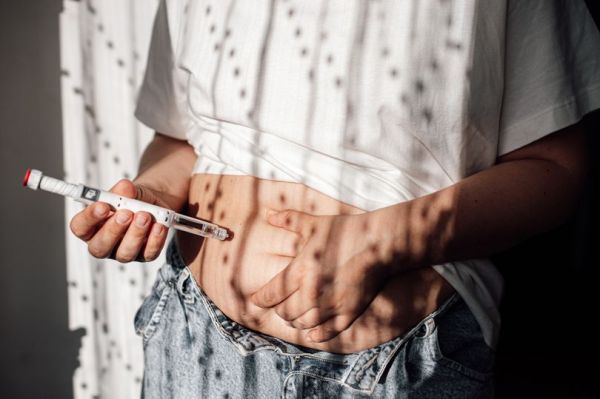
Weight loss injections have been linked to an increase in people needing their gallbladder removed.
A top surgeon said "more and more" of his patients who are having these operations are telling him they have taken the injections. The NHS carried out 80,196 gallbladder operations in 2024-25 in England which is a 15% increase on the previous year and the highest for a decade.
Surgeon Ahmed Ahmed, who is president of the British Obesity and Metabolic Specialist Society, is calling for more research into a potential link between weight loss jabs and gallbladder removals. The consultant surgeon who also carries out gastric band surgeries told the BBC: "We don't know whether it's the injections that are causing the gallstones, or is it because the injections are causing rapid weight loss, which then in turn causes the gallstones?
• Everything you need to know about weight loss jabs such as Wegovy as chemists demand clampdown
• Doctor's 'appetite reset' breakfast to stop weight regain after Mounjaro
“Clearly this area needs further research to find out if it's causative or not."
Gallstones - hardened deposits of digestive fluid in the gallbladder - are a known side effect of weight loss jabs. Rapid weight loss, a diet low in fibre and high in fat and obesity can also lead to gallstones.
James Hewes, a Bristol consultant surgeon who also specialises in obesity and bariatric surgery, told the BBC: "Anecdotally, we are seeing more patients presenting with gallstones.
"Often it is difficult to know if that's related to the injection, or whether they had them originally but weren't assessed properly beforehand."
Weekly injections such as Ozempic, Wegovy and Mounjaro slow digestion and reduce appetite by mimicking a hormone called glucagon-like peptide 1 (GLP-1) which regulates hunger and feelings of fullness. GLP-1 jabs were taken by an estimated 1.6 million Brits last year.
They commonly cause side effects such as vomiting and require personalised support from specialists so that weight loss is maintained. The NHS prescribes the GLP-1 injections Mounjaro and Wegovy for weight loss but Ozempic only for diabetes.
Eli Lilly, which makes Mounjaro, said its patient information leaflet warns that gallstones is a common side-effect when the drug is used for weight management and may affect up to one in 10 people.
It added that gallstones and gallbladder infections are uncommon when the drugs are used to manage type 2 diabetes, and may impact one in 100 people.
A spokesperson for Wegovy maker Novo Nordisk said GLP-1 drugs "are a well-established class of medicines, which have been studied rigorously in clinical trials" and "patient safety is of the utmost importance".
The company said adverse reactions observed in clinical trials of semaglutide are included in the drug's summary of product characteristics (SMPC).
According to Novo Nordisk, acute gallstone disease was reported in 1.6% of patients, which led to cholecystitis - or inflammation of the gallbladder - in 0.6% of patients.
The company said: "For this reason, acute gallstone disease is listed as a 'common' potential adverse reaction for Wegovy in the product's UK SMPC and should be considered when patients are being evaluated for this medicine.”
Contact to : xlf550402@gmail.com
Copyright © boyuanhulian 2020 - 2023. All Right Reserved.