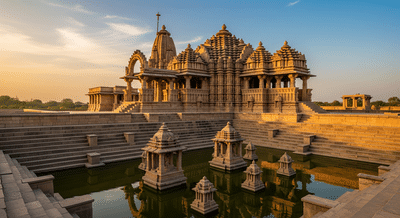
5 Sun Temples in India That Hold Ancient Secrets You Never Knew
Since ancient times, the Sun, or Surya, has been worshipped as the source of life, energy, and light. Ancient Indian architects celebrated this celestial force by building grand Sun Temples across the country, combining devotion with exceptional craftsmanship. These temples are masterpieces of art, astronomy, and architecture, reflecting the knowledge and spiritual wisdom of their creators. Visiting them offers heritage travelers a unique experience, connecting with India’s cultural and spiritual legacy while admiring intricate carvings, precise alignments, and historical significance. Exploring these temples reveals how devotion, science, and art came together to honor the Sun for generations.
Modhera Sun Temple, Gujarat
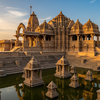
The Modhera Sun Temple, built in 1026 CE by King Bhima I of the Solanki dynasty, is one of India’s most remarkable temples dedicated to Surya Dev. The temple is precisely aligned so that during the equinox, the first rays of the sun fall directly on the image of the Sun God, showcasing ancient architectural and astronomical expertise. Its walls and pillars are adorned with intricate carvings of dancers, deities, and celestial motifs, reflecting a blend of devotion and artistic brilliance. Located about 100 km from Ahmedabad, Modhera Sun Temple remains a symbol of spiritual significance, engineering mastery, and India’s rich cultural heritage.
Konark Sun Temple, Odisha
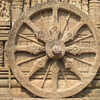
Konark Sun Temple, built in the 13th century by King Narasimhadeva I, is a UNESCO World Heritage Site and one of India’s most iconic temples dedicated to Surya Dev. The temple is designed in the shape of a colossal chariot with 24 intricately carved stone wheels pulled by seven horses, symbolizing the Sun’s journey across the sky. Its carvings display extraordinary craftsmanship, blending art, mythology, and astronomy. Each wheel and sculpture is a masterpiece that reflects the advanced knowledge of architecture and celestial science of that era. Konark continues to inspire visitors with its spiritual significance and historical grandeur.
Surya Pahar, Assam
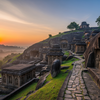
Known as the “Hill of the Sun,” Surya Pahar near Goalpara in Assam is a remarkable archaeological site and a hidden heritage treasure. The site features intricately carved Shiva Lingas, Buddhist stupas, and sculptures of Surya, reflecting a period when Hinduism, Buddhism, and Jainism coexisted peacefully. Surya Pahar provides travelers and researchers with insight into the spiritual and cultural diversity of ancient Northeast India. Its carvings and monuments showcase exceptional artistry, devotion, and historical significance. Visiting this site allows one to experience India’s rich heritage, understand ancient religious harmony, and appreciate the architectural brilliance of early civilizations.
Suryanar Kovil, Tamil NaduSuryanar Kovil, located near Kumbakonam in Tamil Nadu, was built during the 11th century Chola period and is dedicated to Surya Dev, the Sun God. The temple also houses shrines for the Navagrahas, the nine planetary deities, making it an important center for cosmic and astrological worship. As part of the Navagraha Temple Circuit, it attracts pilgrims and heritage travelers who want to understand the spiritual and astronomical significance of the planets. The temple’s architecture, intricate carvings, and rituals reflect the Chola dynasty’s devotion and expertise in blending spirituality with art and astronomy, making it a must-visit heritage site.
Martand Sun Temple, Jammu & KashmirMartand Sun Temple, located near Anantnag in Jammu and Kashmir, was built in the 8th century by King Lalitaditya Muktapida. Perched on a hill, the temple offers panoramic views of the surrounding valleys, making it a scenic and spiritual destination. Though partially in ruins, its grand pillars, intricate carvings, and stone architecture reflect the advanced skills of the period. The temple is a significant heritage site that attracts history enthusiasts, architecture lovers, and spiritual travelers alike. Visiting Martand Sun Temple provides a deep connection to ancient Indian culture, showcasing the devotion, craftsmanship, and astronomical knowledge of the era.
Unlock insightful tips and inspiration on personal growth, productivity, and well-being. Stay motivated and updated with the latest at My Life XP
Frequently Asked Questions (FAQs)
1. Where is Martand Sun Temple located?
Martand Sun Temple is located near Anantnag in Jammu and Kashmir, on a scenic hilltop.
2. Who built Martand Sun Temple and when?
The temple was built in the 8th century by King Lalitaditya Muktapida.
3. What is unique about Martand Sun Temple?
The temple is known for its grand pillars, intricate carvings, and panoramic views of surrounding valleys, reflecting advanced architectural skills of the era.
4. Is Martand Sun Temple still functional for worship?
The temple is partially in ruins and no longer active for regular worship, but it remains an important heritage and tourist site.
5. Why should travelers visit Martand Sun Temple?
It is ideal for history lovers, architecture enthusiasts, and spiritual seekers who want to experience ancient Indian culture and breathtaking landscapes.
6. Is there an entry fee to visit Martand Sun Temple?
Entry is generally free, but travelers should check local guidelines as some heritage sites may have nominal charges or guided tour options.
Modhera Sun Temple, Gujarat
Modhera Sun Temple Architecture
The Modhera Sun Temple, built in 1026 CE by King Bhima I of the Solanki dynasty, is one of India’s most remarkable temples dedicated to Surya Dev. The temple is precisely aligned so that during the equinox, the first rays of the sun fall directly on the image of the Sun God, showcasing ancient architectural and astronomical expertise. Its walls and pillars are adorned with intricate carvings of dancers, deities, and celestial motifs, reflecting a blend of devotion and artistic brilliance. Located about 100 km from Ahmedabad, Modhera Sun Temple remains a symbol of spiritual significance, engineering mastery, and India’s rich cultural heritage.
Konark Sun Temple, Odisha
The colossal chariot wheels of Konark symbolize the Sun’s journey across the sky
Konark Sun Temple, built in the 13th century by King Narasimhadeva I, is a UNESCO World Heritage Site and one of India’s most iconic temples dedicated to Surya Dev. The temple is designed in the shape of a colossal chariot with 24 intricately carved stone wheels pulled by seven horses, symbolizing the Sun’s journey across the sky. Its carvings display extraordinary craftsmanship, blending art, mythology, and astronomy. Each wheel and sculpture is a masterpiece that reflects the advanced knowledge of architecture and celestial science of that era. Konark continues to inspire visitors with its spiritual significance and historical grandeur.
Surya Pahar, Assam
Hidden carvings of Surya reveal ancient syncretic traditions
Known as the “Hill of the Sun,” Surya Pahar near Goalpara in Assam is a remarkable archaeological site and a hidden heritage treasure. The site features intricately carved Shiva Lingas, Buddhist stupas, and sculptures of Surya, reflecting a period when Hinduism, Buddhism, and Jainism coexisted peacefully. Surya Pahar provides travelers and researchers with insight into the spiritual and cultural diversity of ancient Northeast India. Its carvings and monuments showcase exceptional artistry, devotion, and historical significance. Visiting this site allows one to experience India’s rich heritage, understand ancient religious harmony, and appreciate the architectural brilliance of early civilizations.
Suryanar Kovil, Tamil NaduSuryanar Kovil, located near Kumbakonam in Tamil Nadu, was built during the 11th century Chola period and is dedicated to Surya Dev, the Sun God. The temple also houses shrines for the Navagrahas, the nine planetary deities, making it an important center for cosmic and astrological worship. As part of the Navagraha Temple Circuit, it attracts pilgrims and heritage travelers who want to understand the spiritual and astronomical significance of the planets. The temple’s architecture, intricate carvings, and rituals reflect the Chola dynasty’s devotion and expertise in blending spirituality with art and astronomy, making it a must-visit heritage site.
Martand Sun Temple, Jammu & KashmirMartand Sun Temple, located near Anantnag in Jammu and Kashmir, was built in the 8th century by King Lalitaditya Muktapida. Perched on a hill, the temple offers panoramic views of the surrounding valleys, making it a scenic and spiritual destination. Though partially in ruins, its grand pillars, intricate carvings, and stone architecture reflect the advanced skills of the period. The temple is a significant heritage site that attracts history enthusiasts, architecture lovers, and spiritual travelers alike. Visiting Martand Sun Temple provides a deep connection to ancient Indian culture, showcasing the devotion, craftsmanship, and astronomical knowledge of the era.
Unlock insightful tips and inspiration on personal growth, productivity, and well-being. Stay motivated and updated with the latest at My Life XP
Frequently Asked Questions (FAQs)
1. Where is Martand Sun Temple located?
Martand Sun Temple is located near Anantnag in Jammu and Kashmir, on a scenic hilltop.
2. Who built Martand Sun Temple and when?
The temple was built in the 8th century by King Lalitaditya Muktapida.
3. What is unique about Martand Sun Temple?
The temple is known for its grand pillars, intricate carvings, and panoramic views of surrounding valleys, reflecting advanced architectural skills of the era.
4. Is Martand Sun Temple still functional for worship?
The temple is partially in ruins and no longer active for regular worship, but it remains an important heritage and tourist site.
5. Why should travelers visit Martand Sun Temple?
It is ideal for history lovers, architecture enthusiasts, and spiritual seekers who want to experience ancient Indian culture and breathtaking landscapes.
6. Is there an entry fee to visit Martand Sun Temple?
Entry is generally free, but travelers should check local guidelines as some heritage sites may have nominal charges or guided tour options.
Contact to : xlf550402@gmail.com
Copyright © boyuanhulian 2020 - 2023. All Right Reserved.