
Why Temple Roofs Are Dome-Shaped: The Ancient Power You Feel but Never Notice
Have you ever stood inside a temple and felt calm without knowing why? One key reason is the dome-shaped roof above you. It is not built only for beauty. Based on centuries of experience, ancient Indian architects combined devotion, science, Vastu Shastra, and spiritual wisdom to design temple domes. The curved shape helps sound flow gently, supports balanced air movement, and creates a peaceful atmosphere. Experts believe this structure also aids focus and emotional stability. Trusted historical temples show how this design improves comfort and strength. More than architecture, the dome influences the mind and body, guiding devotees toward inner peace and spiritual connection.
Dome Shape Enhances Sacred Sound

The curved surface of a temple dome helps sound waves move smoothly instead of ending abruptly. When bells ring or mantras are chanted, the sound spreads evenly across the space and remains longer in the air. This natural resonance creates a calm and focused environment for worship. Based on acoustic principles used in ancient architecture, the dome design supports mental relaxation and deeper concentration. Many devotees, including children, feel peace without knowing the science behind it. This sustained sound vibration fills the temple with a sense of sacred energy, guiding minds gently toward devotion, prayer, and inner stillness.
Temples As Powerful Energy Centres

In Hindu tradition, temples are believed to be living centers of divine energy, shaped carefully to support spiritual well being. The dome design plays an important role in allowing this energy to move evenly in all directions. Based on principles of Vastu Shastra and ancient architectural knowledge, the curved structure supports smooth air circulation and gentle sound movement. Devotees often report feeling lighter, calmer, and emotionally protected upon entering a temple. This response is supported by the peaceful acoustics and balanced environment created by the dome. The combined effect helps reduce stress, quiet the mind, and deepen spiritual connection through generations of lived experience.
Dome Symbolises Universe And Divine Path
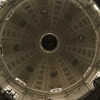
The rising dome of a Hindu temple represents the sky, the universe, and higher consciousness, as described in ancient architectural and spiritual texts. From lived devotional experience, looking upward naturally awakens humility, faith, and inner silence. Temple design follows sacred geometry that symbolizes a bridge between Earth and heaven. The dome gently reminds visitors that life extends beyond daily stress and material concerns. According to Hindu philosophy, this upward form teaches surrender, devotion, and trust in divine order. Scholars of temple architecture and Vastu Shastra agree that such symbolism shapes human awareness, guiding the mind toward spiritual growth, balance, and a deeper connection with the cosmic reality.
Natural Temperature Balance Inside TemplesThe dome design reflects the practical experience and advanced knowledge of ancient temple architects. During summer, hot air naturally rises toward the curved roof and escapes gradually, keeping the prayer area below cool and breathable. In winter, the same structure helps retain warmth, creating a balanced indoor climate. This natural temperature control works without fans or machines, proving its sustainable value even today. Many centuries old temples still feel comfortable in every season, offering real evidence of this wisdom. Such climate friendly design highlights the environmental expertise, engineering skill, and long term vision of traditional builders who worked in harmony with nature.
Strength And Longevity Of Ancient TemplesThe dome distributes structural weight evenly, which increases strength and flexibility in temple architecture. Ancient builders used precise stone placement and proven engineering knowledge to reduce stress on walls and foundations. This balanced design helps temples withstand earthquakes, strong winds, and heavy rainfall. Historical records and surviving monuments across India confirm the long-term durability of dome-shaped structures. Many temples have remained standing for hundreds and even thousands of years with minimal damage. This architectural wisdom reflects deep experience, technical expertise, and spiritual intent. The dome stands as trusted evidence that devotion and advanced engineering worked together to create structures built to endure time and nature.
Unlock insightful tips and inspiration on personal growth, productivity, and well-being. Stay motivated and updated with the latest at My Life XP
Frequently Asked Questions (FAQs)
1. Why are temple roofs dome-shaped?
Temple roofs are dome-shaped to enhance sound resonance, balance energy flow, control temperature, and improve structural strength. This design supports both spiritual practices and long-lasting architecture.
2. Do temple domes have scientific importance?
Yes. Domes distribute weight evenly, improve airflow, and help sound travel smoothly. These features make temples cooler, calmer, and more resistant to earthquakes.
3. What is the spiritual meaning of a temple dome?
The dome symbolizes the universe and higher consciousness. It reminds devotees to look upward toward the divine and feel connected to cosmic energy.
4. Are temple domes related to Vastu Shastra?
According to Vastu Shastra, dome shapes help circulate positive energy evenly, creating a peaceful and balanced environment for worship.
5. Why have ancient temples lasted so long?
Their dome-shaped roofs reduce structural stress and increase flexibility, allowing temples to survive natural disasters and centuries of time
Dome Shape Enhances Sacred Sound
The curved dome helps mantras and bells echo softly across the templ
The curved surface of a temple dome helps sound waves move smoothly instead of ending abruptly. When bells ring or mantras are chanted, the sound spreads evenly across the space and remains longer in the air. This natural resonance creates a calm and focused environment for worship. Based on acoustic principles used in ancient architecture, the dome design supports mental relaxation and deeper concentration. Many devotees, including children, feel peace without knowing the science behind it. This sustained sound vibration fills the temple with a sense of sacred energy, guiding minds gently toward devotion, prayer, and inner stillness.
Temples As Powerful Energy Centres
The dome spreads positive energy evenly throughout the temple space.
In Hindu tradition, temples are believed to be living centers of divine energy, shaped carefully to support spiritual well being. The dome design plays an important role in allowing this energy to move evenly in all directions. Based on principles of Vastu Shastra and ancient architectural knowledge, the curved structure supports smooth air circulation and gentle sound movement. Devotees often report feeling lighter, calmer, and emotionally protected upon entering a temple. This response is supported by the peaceful acoustics and balanced environment created by the dome. The combined effect helps reduce stress, quiet the mind, and deepen spiritual connection through generations of lived experience.
Dome Symbolises Universe And Divine Path
The upward dome reminds devotees to connect with the higher universe.
The rising dome of a Hindu temple represents the sky, the universe, and higher consciousness, as described in ancient architectural and spiritual texts. From lived devotional experience, looking upward naturally awakens humility, faith, and inner silence. Temple design follows sacred geometry that symbolizes a bridge between Earth and heaven. The dome gently reminds visitors that life extends beyond daily stress and material concerns. According to Hindu philosophy, this upward form teaches surrender, devotion, and trust in divine order. Scholars of temple architecture and Vastu Shastra agree that such symbolism shapes human awareness, guiding the mind toward spiritual growth, balance, and a deeper connection with the cosmic reality.
Natural Temperature Balance Inside TemplesThe dome design reflects the practical experience and advanced knowledge of ancient temple architects. During summer, hot air naturally rises toward the curved roof and escapes gradually, keeping the prayer area below cool and breathable. In winter, the same structure helps retain warmth, creating a balanced indoor climate. This natural temperature control works without fans or machines, proving its sustainable value even today. Many centuries old temples still feel comfortable in every season, offering real evidence of this wisdom. Such climate friendly design highlights the environmental expertise, engineering skill, and long term vision of traditional builders who worked in harmony with nature.
Strength And Longevity Of Ancient TemplesThe dome distributes structural weight evenly, which increases strength and flexibility in temple architecture. Ancient builders used precise stone placement and proven engineering knowledge to reduce stress on walls and foundations. This balanced design helps temples withstand earthquakes, strong winds, and heavy rainfall. Historical records and surviving monuments across India confirm the long-term durability of dome-shaped structures. Many temples have remained standing for hundreds and even thousands of years with minimal damage. This architectural wisdom reflects deep experience, technical expertise, and spiritual intent. The dome stands as trusted evidence that devotion and advanced engineering worked together to create structures built to endure time and nature.
Unlock insightful tips and inspiration on personal growth, productivity, and well-being. Stay motivated and updated with the latest at My Life XP
Frequently Asked Questions (FAQs)
1. Why are temple roofs dome-shaped?
Temple roofs are dome-shaped to enhance sound resonance, balance energy flow, control temperature, and improve structural strength. This design supports both spiritual practices and long-lasting architecture.
2. Do temple domes have scientific importance?
Yes. Domes distribute weight evenly, improve airflow, and help sound travel smoothly. These features make temples cooler, calmer, and more resistant to earthquakes.
3. What is the spiritual meaning of a temple dome?
The dome symbolizes the universe and higher consciousness. It reminds devotees to look upward toward the divine and feel connected to cosmic energy.
4. Are temple domes related to Vastu Shastra?
According to Vastu Shastra, dome shapes help circulate positive energy evenly, creating a peaceful and balanced environment for worship.
5. Why have ancient temples lasted so long?
Their dome-shaped roofs reduce structural stress and increase flexibility, allowing temples to survive natural disasters and centuries of time
Contact to : xlf550402@gmail.com
Copyright © boyuanhulian 2020 - 2023. All Right Reserved.