
More than 1.2 million people in the UK have been warned not to drink two fruit juices as it could pose a serious risk to their health. Many people would consider the beverages healthy options when they are trying to boost their vitamin intake, however some people should avoid them as they could make them unwell.
It is estimated that around 1.2million people in the UK take warfarin to stop their blood clotting. The anticoagulant makes your blood flow through the veins more easily making it much less likely that it will create a dangerous blood clot.
Most people will take it once a day in the evening and will need blood tests at least every 12 weeks to make sure their dose is correct. They must also always carry an anticoagulant alert card which must be shown to a doctor or dentist before any medical or dental procedures, including vaccinations and routine appointments with the dental hygienist.
- McDonald's diner floored after opening sachet of restaurant's barbecue sauce
- Gabby Logan and football icons lead mourners at funeral of her father Terry Yorath
The NHS says most adults and children can take warfarin but warns some might not be suitable for the medication. These include those who:
- have ever had an allergic reaction to warfarin or any other medicine
- are trying to get pregnant or you're already pregnant
- have liver or kidney problems
- have had an infection of the lining of your heart, known as endocarditis
- have a health problem that causes bleeding (such as a stomach ulcer ) or makes you bruise easily
- have high blood pressure (hypertension)
However there are some side-effects including increased bleeding if you cut yourself or occasional nosebleeds. You might also bruise more easily and your gums might bleed when you brush your teeth.
Other common side effects are a mild rash and hair loss. You should talk to your doctor or pharmacist if these side effects bother you or do not go away.
There are some serious side effects which include bleeding suddenly without a cut or injury or if it will not stop. The NHS advises: "This can be dangerous and needs urgent medical attention." It says you should call 111 for advice if you have:
- any bleeding that's not heavy but will not stop, or stops then starts again
- pink, red or brown pee, or black poo
- bruises for no reason, they're larger than you'd expect or they keep growing in size
- sudden, severe back pain
- increased bleeding from your vagina during a period or bleeding between periods
- bleeding from your vagina after the menopause
You should go to A&E if:
- you have a nosebleed you cannot stop and that last longer than 10 minutes
- there's blood in your vomit or you're coughing up blood
It warns: "These are symptoms of serious bleeding. If you have any serious bleeding, stop taking warfarin."
And it adds very rarely warfarin can lead to bleeding in the brain. It says call 999 now if you get any of these symptoms:
- a sudden and severe headache
- a seizure or fit
- sudden loss of vision or blurred vision
- numbness or tingling in your arms or legs
- slurred speech
- cannot be woken up (lose consciousness)
- difficulty breathing, breathing faster than usual, or chest pain
- any heavy bleeding where blood is spraying, pouring or enough to make a puddle
You may also feel tired, weak or sick. For full details visit the NHS website here.
And the NHS has also set out some dos and don'ts over what people taking the medication can eat and drink. This includes avoiding two popular fruits and juices made from them.
It advises: "It's very important to keep your diet stable while taking warfarin. This means your dose of warfarin is more likely to stay the same. Any big changes in what you eat or drink can change how your body responds to warfarin."
The NHS says foods containing a lot of vitamin K can affect how warfarin works. These include:
- green leafy vegetables, including broccoli, spinach and lettuce
- chickpeas
- liver
- egg yolks
- mature cheese and blue cheese
- avocado
- olive oil
It adds: "It's important that you eat foods containing vitamin K, so rather than leaving them out of your diet, make sure you eat similar amounts of them regularly. This will mean the level of vitamin K in your blood stays fairly constant and makes it more likely that your INR level stays stable."
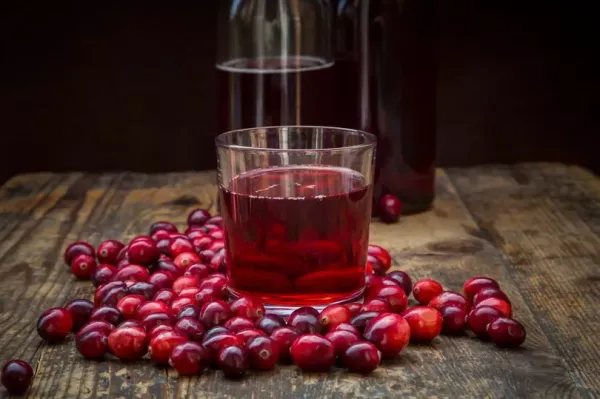
But there are other foods which should be avoided completely. Cranberry and grapefruit juice increase the blood-thinning effects of warfarin by inhibiting the liver enzymes responsible for breaking down the medication.
This causes higher levels of warfarin to remain in the bloodstream which significantly increases the risk of dangerous bleeding and bruising. The NHS adds: "Do not drink cranberry or grapefruit juice while you're taking warfarin. It can increase the effect of your medicine and put you at higher risk of bleeding."
Contact to : xlf550402@gmail.com
Copyright © boyuanhulian 2020 - 2023. All Right Reserved.