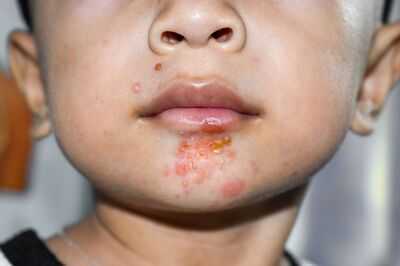
A top pharmacist is urging Britons to stay vigilant about a severely infectious condition that she said was frequently misdiagnosed. Consequently, patients may miss out on the swift treatment needed, potentially allowing the condition to worsen and trigger more severe complications, she added.
Niamh McMillan, Superdrug's Pharmacy Superintendent, explained: "Impetigo is an extremely contagious bacterial skin infection that appears as red sores or blisters, usually on the face. It's more common in young children because their immune systems haven't fully developed, making them more susceptible to bacterial infections, such as impetigo.
"The red sores quickly develop into blisters filled with fluid that may rupture. After the blisters break open, a crust forms over the affected area, which can be itchy or painful. Swollen lymph nodes or tender swollen skin around the infected areas can be a sign that the infection has spread or indeed worsened. In some cases, children with impetigo may develop a mild fever or feel unwell."
- 'I was far too busy to take loo breaks - it nearly killed me'
- Couple 'haunted' as hospital hands them wrong baby after devastating stillbirth
The condition is commonly missed, resulting in incorrect diagnosis and delayed care. Niamh explained: "Impetigo is often misdiagnosed as other skin conditions such as eczema, cold sores and chicken pox. Whilst most cases of impetigo are not serious and can heal on their own, leaving impetigo untreated can lead to more serious health implications such as cellulitis; a type of acute skin infection, deep soft tissue infections and in rare cases, bloodstream infections."

With swift attention, impetigo can be successfully treated.
Pharmacy FirstNiamh said: "If you're unsure whether you or a child has impetigo, then it's worth seeking expert advice from Superdrug's Pharmacy First service, where a pharmacist will be able to assess the patient's condition and offer prescription medication as indicated. This may include antibiotic creams or oral antibiotics to help clear up the infection. This can be a quick and convenient option for patients who need immediate help."
Maintain cleanlinessNiamh said: "Gently clean the affected areas with mild soap and water before applying any topical treatments. Avoid scrubbing the sores, as this can irritate the skin further."
Niamh said: "Try and avoid scratching the infected area in order to reduce the risk of further spread. Keeping the sores covered with a clean dressing may help prevent scratching and protect the area from dirt and bacteria."
IsolationNiamh added: "To prevent spreading the infection, keep away from people until symptoms improve. This may mean staying home from work, or keeping your child home from school until symptoms have improved or treatment has commenced."
Contact to : xlf550402@gmail.com
Copyright © boyuanhulian 2020 - 2023. All Right Reserved.