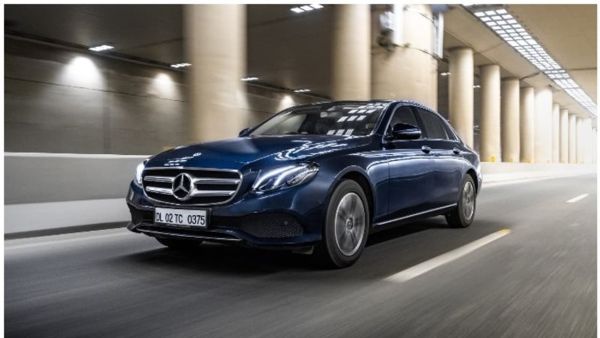
As part of an anticipated free trade agreement with the European Union, India plans to reduce import tariffs on cars. Duties on a limited number of EU-built vehicles will initially be cut from 110% to 40%, with further reductions planned over time.
India is preparing a significant reduction in import tariffs on cars from the European Union as part of an anticipated free trade agreement with Brussels that could be finalised imminently. According to sources familiar with the negotiations, New Delhi plans to slash duties on a limited number of EU-built vehicles to 40% from the current peak of 110%, marking one of the biggest openings of India’s heavily protected automobile market in years.

Under the proposed arrangement — which could be unveiled as part of a larger India-EU trade pact — the initial cut will apply to imported cars valued above roughly €15,000 (about ₹16.26 lakh). Over time, these tariffs are expected to be reduced further, falling as low as 10%, though the timeline and phased approach are still subject to negotiation.
This move reflects a significant shift in India’s trade policy. The country currently maintains some of the highest import duties on fully built cars globally, often reaching 70% to 110%, a stance that has long limited the penetration of European brands in the Indian market. Major automakers such as Volkswagen, Mercedes-Benz, BMW, Renault and Stellantis stand to benefit from lower duties, potentially making their products more competitively priced and attractive to Indian buyers.
Despite the tariff cut’s potential advantages, certain safeguards are planned. Electric vehicles (EVs) imported from the EU will not enjoy duty reductions for the first five years following the deal’s implementation, a strategic measure to protect India’s emerging domestic EV industry spearheaded by firms like Tata Motors and Mahindra & Mahindra. After this period, EV tariffs are expected to follow a similar phased reduction.
The anticipated trade agreement — described in some quarters as the “mother of all deals” due to its scale and economic implications — is designed to boost bilateral trade, expand market access for Indian exporters, and further integrate India into global supply chains. It comes against the backdrop of evolving geopolitical trade dynamics and rising protectionism, making the pact a key achievement for both New Delhi and Brussels.
Automakers and industry analysts alike are watching closely, as the tariff changes could reshape India’s automotive landscape, prompting new investments, expanding consumer choice, and influencing long-term manufacturing strategies in the world’s third-largest car market.
Contact to : xlf550402@gmail.com
Copyright © boyuanhulian 2020 - 2023. All Right Reserved.