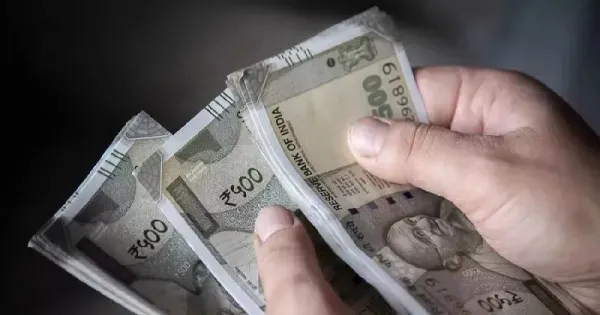
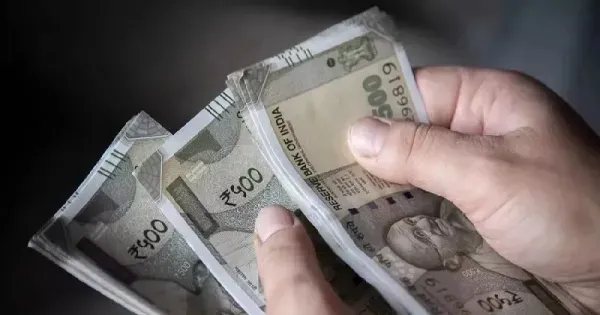
New Delhi. The Indian rupee hit a historic low of 92 against the US dollar on Friday. Along with this, the country’s imports ranging from crude oil to electronic goods, foreign education and foreign travel are expected to become expensive. Due to this, inflation may also increase, although this is expected to provide some relief to exporters.
The rupee has fallen by 202 paise or more than two per cent against the US dollar so far this month. In the year 2025, it had declined by five percent due to continuous withdrawal of foreign funds and strengthening of the dollar. The immediate impact of the falling rupee falls on importers, who will have to pay more for the same quantity.
The continuously weakening rupee is expected to impact expenditure in the following manner:-
import:
Indian imports include crude oil, coal, plastic materials, chemicals, electronic goods, vegetable oils, fertilizers, machinery, gold, pearls, precious and semi-precious stones and iron and steel. Importers have to buy US dollars to pay for imported goods. With falling rupee, import of goods will become expensive.
Foreign Education:
A weaker rupee against the US dollar means that foreign education will become more expensive, as students will have to pay more rupees for every dollar charged by foreign institutions.
Foreign Travel:
A weak local currency means that one has to pay more rupees to buy one US dollar for travel expenses.
Remittance:
Non-resident Indians (NRIs) who send money home will be able to send more money in rupee values.
Export:
Exporters are likely to benefit from rupee devaluation as they will get more rupees per dollar. However, exporters dependent on imports will not benefit from the weakening of the Indian currency. Seen this way, sectors with low import dependence such as textiles should benefit the most from a weaker rupee, while high-import sectors such as electronics will benefit the least.
Contact to : xlf550402@gmail.com
Copyright © boyuanhulian 2020 - 2023. All Right Reserved.