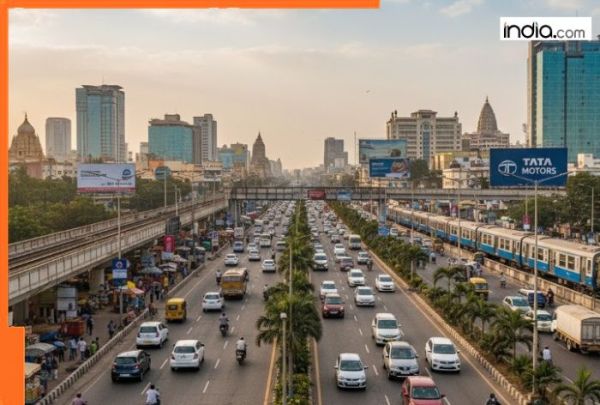
Several new expressways in different regions of India will become operational to the public in 2026. Among the new expressways will be Uttar Pradeshs Ganga Expressway which is expected to be the longest expressway in the state. The majority of these expressways will be greenfield and access-controlled expressways. They are designed for vehicles to reach speeds of 120 kmph. As a result the risk of accidents occurring on these expressways will be drastically reduced as reported by TimesNow.
What are the key expressways opening in 2026?
The new high-tech expressways will allow for faster travel times but will also result in a decrease in fuel consumption. These new high-tech expressways will also play a major role in stimulating the economy of cities towns and villages that are located along the routes of these expressways. The emergence of a broad road network constitutes one of the latest developments supporting a robust transportation system across India. To enhance connectivity among large and small states alike the Indian government proposes several new expressway schemes and is nearing completion of many others with an inauguration countdown imminent.
When will Uttar Pradesh’s longest expressway be inaugurated?
The new highways and expressways will incorporate advanced technology including 24/7 video camera monitoring speed-tracker devices police presence ambulance transportation and other contemporary safety services. All these modern features will improve road safety for all motorists and ensure a more pleasant driving experience for commuters. Although the anticipated date for many expressway projects inauguration was originally scheduled for 2025 project delays have since pushed back the timeline for most expressways with many being opened to the public about a year earlier than expected in 2026.
Delhi–Mumbai Expressway details
As part of the Bharatmala Project the Delhi–Mumbai Expressway is presently in its last phase of construction and is anticipated to open to the public in 2026. Stretching from Sohna in Haryana to Surat in Gujarat the 1350-kilometer motorway would connect several important cities and travel through six states. In several areas including sections of Madhya Pradesh traffic has already started.
Several new high-tech expressways in different regions of India will become operational to the public in 2026. Among the new expressways will be Uttar Pradeshs Ganga Expressway which is expected to be the longest expressway in the state. The majority of these expressways will be greenfield and access-controlled expressways. They are designed for vehicles to reach speeds of 120 kmph. As a result the risk of accidents occurring on these expressways will be drastically reduced as reported by TimesNow.
The new high-tech expressways will allow for faster travel times but will also result in a decrease in fuel consumption. These new high-tech expressways will also play a major role in stimulating the economy of cities towns and villages that are located along the routes of these expressways.
The emergence of a broad road network constitutes one of the latest developments supporting a robust transportation system across India. To enhance connectivity among large and small states alike the Indian government proposes several new expressway schemes and is nearing completion of many others with an inauguration countdown imminent.
The new highways and expressways will incorporate advanced technology including 24/7 video camera monitoring speed-tracker devices police presence ambulance transportation and other contemporary safety services. All these modern features will improve road safety for all motorists and ensure a more pleasant driving experience for commuters. Although the anticipated date for many expressway projects inauguration was originally scheduled for 2025 project delays have since pushed back the timeline for most expressways with many being opened to the public about a year earlier than expected in 2026.
Delhi–Mumbai Expressway
As part of the Bharatmala Project the Delhi–Mumbai Expressway is presently in its last phase of construction and is anticipated to open to the public in 2026. Stretching from Sohna in Haryana to Surat in Gujarat the 1350-kilometer motorway would connect several important cities and travel through six states. The expressway is projected to bring the distance from Delhi to Surat down to approximately 800 km compared to over 1150 km by road now. The existing rail distance between Delhi and Surat is approximately 1121 km.
The new expressway will improve travel times and fuel efficiency significantly while stimulating economic development throughout the affected areas. The Delhi-Amritsar-Katra Expressway will span a distance of 650 km and improve the connection between Delhi and Jammu and Kashmir. The new expressway will begin in Bahadurgarh (Delhi) and end in Katra (J&K). Along the way it will connect major cities including Nakodar Amritsar and Gurdaspur as reported by TimesNow.
READ MORE: Delhi-Mumbai Expressway Big Update: Government reduces toll charges by 50% – Check what changed in toll rates
This expressway will connect 3 different states: Delhi Punjab and J&K thus faster than the currently available roads in the region. From Bahadurgarh the route will pass through Nakodar and Gurdaspur before reaching Katra. The project is being constructed in 2 parts: The 397 km from Bahadurgarh to Nakodar is part of NH-5 and the 99 km between Nakodar and Amritsar is designated NH-5A.
It is estimated that Rs 40000 crores will be spent to construct the Delhi-Amritsar-Katra Expressway. Once the expressway is fully developed it will lead to much lower travel times better road safety and will create opportunities for economic growth throughout the areas connected by the expressway.
Delhi-Dehradun Highway
The completion of the 210-km-long Delhi-Dehradun Highway which connects New Delhi the state of Uttar Pradesh and the state of Uttarakhand is drawing closer. Many anticipate that the six-lane access-controlled highway will open fully to vehicular traffic by February 2026. An impressive feature of the highway is that it contains Asias largest wildlife corridor more than 12 km long that is built on top of the Rajaji National Park. The elevated nature of the building will facilitate vehicle movement while allowing drivers to enjoy beautiful views of both the valley and animals with little disturbance to the local wildlife.
Contact to : xlf550402@gmail.com
Copyright © boyuanhulian 2020 - 2023. All Right Reserved.