Rajasthan : Two convicted prisoners from Rajasthan have drawn widespread attention after getting married during a brief parole period, highlighting an unusual intersection of crime, reform, and personal relationships within the Indian prison system. The marriage took place quietly in Alwar district while both individuals were temporarily released from custody under court-approved parole.
Background of the Case
The bride, Priya Seth, is serving a sentence for her role in a 2018 murder case. She was convicted for killing Dushyant Sharma after allegedly luring him through a dating application. Investigators stated that she believed the victim to be a wealthy businessman and planned a ransom kidnapping. When the plan went wrong, the victim was killed to prevent identification. Priya Seth has since been lodged at Jaipur Open Jail, a facility meant for inmates showing good conduct and nearing rehabilitation.
Profile of the Groom
The groom, Hanuman Prasad, also known as Hanuman Chaudhary, is undergoing a life sentence for a 2017 crime involving the murder of his wife and four children. The incident reportedly occurred after his extramarital relationship was discovered. He is originally from Barodamev and has been imprisoned for several years following conviction. Like the bride, he was transferred to the open jail system after meeting eligibility criteria under prison rules.
How the Relationship Began
Both convicts met while staying at the same open jail facility in Jaipur. Over time, routine interactions developed into a personal bond. According to prison sources, the two remained in regular contact for nearly six months, during which their friendship evolved into a romantic relationship. Open jail environments allow inmates to work, interact socially, and prepare for reintegration, which officials say can sometimes lead to personal relationships forming.
Legal Process and Parole Approval
After deciding to marry, the couple jointly approached the court requesting temporary parole to solemnise their wedding. The application cited mutual consent and family approval from both sides. After reviewing their conduct records and legal eligibility, the court granted each inmate 15 days of parole. This decision followed existing parole guidelines, which allow temporary release for significant life events such as marriage.
Wedding Arrangements and Venue Change
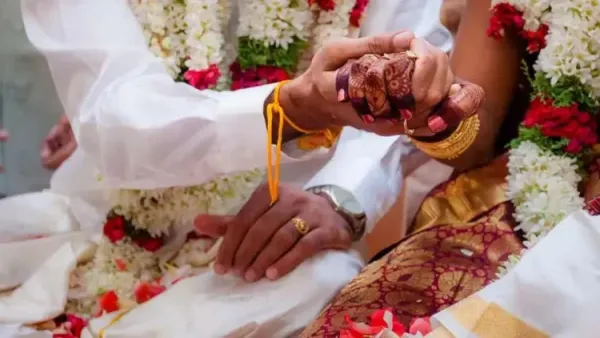
Initial plans suggested that the wedding would be held in Jaipur. However, to avoid media attention and public scrutiny, the venue was quietly shifted to a hotel in Alwar. The ceremony took place on the occasion of Basant Panchami and was conducted according to traditional Hindu customs. Only close family members were present, and attendance was kept intentionally limited.
Privacy Measures During the Ceremony
Strict privacy measures were reportedly enforced throughout the event. Guests were instructed not to take photographs or share details externally. Mobile phone usage was restricted to prevent information leaks. These steps were taken to ensure that the marriage remained a private family matter rather than a public spectacle.
Post-Wedding Developments
Following the ceremony, the bride did not visit her parental home, a move intended to further maintain discretion. Both individuals are expected to return to custody after completing their parole period, as mandated by law. Prison authorities confirmed that the parole was temporary and that no special concessions were granted beyond the approved duration.
Broader Implications and Public Discussion
The marriage has sparked debate around prison reforms, rehabilitation policies, and the scope of personal rights for convicted individuals. Supporters argue that allowing such life events can aid emotional stability and reintegration, while critics question the optics of granting parole in serious criminal cases. The incident has once again brought attention to India’s open jail system and its role in balancing punishment with reform.
Contact to : xlf550402@gmail.com
Copyright © boyuanhulian 2020 - 2023. All Right Reserved.