
Health authorities have warned Brits that an unpleasant 48-hour illness currently circulating cannot be eliminated with hand sanitiser alone. The UK Health Security Agency (UKHSA) has published recommendations on the most effective methods to prevent the transmission of norovirus.
This guidance follows multiple NHS trusts declaring a "critical incident" partially attributed to this condition. Recent data reveals that norovirus cases in NHS hospitals across England surged by 57 per cent within a single week.
Cases reached 567 during the week concluding January 11, rising from 361 the preceding week. Figures from the UK Health Security Agency (UKHSA) additionally demonstrated that norovirus infections are climbing, with cases jumping by 47 per cent during the initial fortnight of 2026, when compared to the previous two weeks ending December 28.
- Game of Thrones editor 'torn apart' by lion in safari park horror
- Starving girl, 7, fed just 'one corn dog a day' as sick mum's plot foiled by grandma
Due to this surge combined with elevated flu levels, "at least" 10 trusts across England announced critical incidents because of "high demands and capacity issues", as reported by the British Medical Journal on January 16. Commonly referred to as the "winter vomiting bug", norovirus is a gastric infection that triggers vomiting and diarrhoea.
The primary symptoms typically begin "suddenly", though they generally subside within two days. These encompass nausea, vomiting, and diarrhoea.
According to the NHS website, sufferers may also develop a raised temperature, headaches, abdominal discomfort, and generalised aches and pains. The condition stems from a virus that transmits via faecal matter.
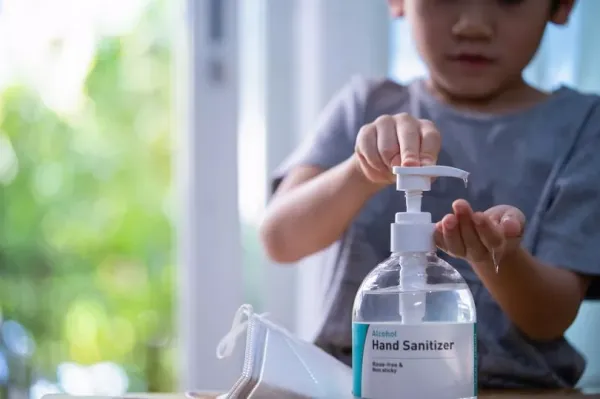
"It can spread to others very easily," the NHS stated. Writing on social media platform X, the UKHSA emphasised that hand sanitisers "don't kill" norovirus.
The agency stated: "Good hand hygiene can help stop norovirus spreading. Wash your hands frequently and thoroughly with soap and warm water. Alcohol-based hand sanitisers don't kill norovirus."
The NHS supports this guidance, advising that you should "wash your hands with soap and water after going to the toilet or changing nappies" since "alcohol hand gels do not kill norovirus".
 Preventing the spread
 Norovirus can be contracted through:
- Direct contact with an infected individual
- Touching contaminated surfaces or objects, then touching your mouth
- Consuming food prepared or handled by someone carrying norovirus
- Consuming contaminated water or infected food
The NHS lists additional measures to avoid infecting others including:
- Washing your hands with soap and water before preparing, serving or consuming food
- Laundering contaminated clothes and bedding at 60C separately from other items
- Disinfecting toilet seats, flush handles, taps and bathroom door handles
- Minimising contact with others wherever possible
- Staying away from school, nursery or work until you've been free from sickness or diarrhoea for two days
- Avoiding visits to hospitals or care homes until you've had no symptoms for two days
Recovery typically occurs at home within two days. However, you should "call 111 now" if:
- You're concerned about a baby under 12 months old
- Your child refuses to breast or bottle feed whilst unwell
- A child under five shows symptoms of dehydration, such as fewer wet nappies
- You or your child (aged five or above) continue to show dehydration symptoms despite using oral rehydration sachets
- You or your child experience persistent vomiting and are unable to retain fluids
- You or your child have bloody diarrhoea or rectal bleeding
- You or your child suffer from diarrhoea lasting more than seven days or vomiting continuing beyond two days
The NHS advised: "111 will tell you what to do. They can arrange a phone call from a nurse or doctor if you need one."
Critical incidents declared at hospitalsThe additional pressure on the NHS from norovirus combined with flu has resulted in numerous NHS trusts declaring critical incidents. An average of 2,725 patients were hospitalised with flu daily in the week of January 12, showing a modest decrease from 2,924 the previous week.
According to The Sun, the NHS trusts which have recently declared critical incidents include:
- East Suffolk and North Essex NHS Foundation Trust
- South Warwickshire University NHS Foundation Trust
- University Hospitals of North Midlands (UHNM)
- Nottingham University Hospitals (NUH)
- Sherwood Forest Hospitals NHS Foundation Trust
- Ashford and St Peter's Hospitals NHS Foundation Trust
- Royal Surrey NHS Foundation Trust
- Epsom and St Helier University Hospitals NHS Trust
- Surrey and Sussex Healthcare NHS Trust
- East Kent Hospitals University NHS Foundation Trust
The Aneurin Bevan University Health Board in Wales has also announced a critical incident.
Contact to : xlf550402@gmail.com
Copyright © boyuanhulian 2020 - 2023. All Right Reserved.