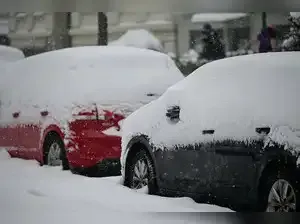
When freezing weather arrives, getting into a car can become a frustrating challenge , particularly when a door is frozen shut. While ice on car doors and locks is a common winter annoyance, there are safe techniques to address it without damaging your vehicle. Automotive instructors and winter car-care experts highlight patience, proper technique, and preventive maintenance.
Sean Reisdorf, an automotive instructor at North Farmington High School in metro Detroit, warned of this concern, stating, “I’ve just seen so many people break a door handle trying to get in through the driver’s door.” Reisdorf’s program is certified by the National Institute for Automotive Service Excellence (ASE).
He further mentioned that often the solution is easier than people think: “Maybe I can get the rear right passenger door open. If I get the rear right passenger door open, I get inside the car.”
Reisdorf stated that getting the car into a garage or warming it with a heater can be impactful: “Getting your car out of the freezing cold can do wonders for cold-related problems.” Always make sure that the garage door is open if the car is moving.
FAQs:
Q1. Why do car doors freeze in winter?
Moisture in the door seals or latch area freezes, attaching the door to the car frame. Snow or sleet that melts and refreezes also results in frozen doors.
Q2. Is it safe to force a frozen door open?
Forcing the handle can break it or damage the latch. Experts advises gentle techniques or warming the door first.
Why Car Doors Freeze
Car doors normally freeze because of the moisture in the rubber seals or latch area. Snow or sleet that melts slightly and refreezes can attach the door to the car frame. Trying to force a frozen door open can break handles, latches, or weatherstripping, leading to expensive repairs.Sean Reisdorf, an automotive instructor at North Farmington High School in metro Detroit, warned of this concern, stating, “I’ve just seen so many people break a door handle trying to get in through the driver’s door.” Reisdorf’s program is certified by the National Institute for Automotive Service Excellence (ASE).
Step 1: Check Other Doors
Before escalating the issue, try other doors. Reisdorf describes, “We’re trained. I’ve got to open my driver’s door and get in the car. I’m not wanting to crawl through the back seats (or over the center console) to get to my car.”He further mentioned that often the solution is easier than people think: “Maybe I can get the rear right passenger door open. If I get the rear right passenger door open, I get inside the car.”
Step 2: Use De‑icer or Tepid Water
Utilizing a commercial de‑icer spray around the door seams, handle, and lock can immediately melt the ice. If it's not available, Reisdorf advises for tepid water “I’m not talking hot water. I’m not even talking warm water. I’m talking tepid water.” Hot water can result in permanent damage to ice-cold portions, which includes cracking plastic. In temperatures below 10°F, he highlights avoiding water completely and instead moving the vehicle into a garage or reaching out to professionals.Step 3: Warm the Vehicle Interior
If possible, enter through another door or employ a remote starter to make the cabin warm. Internal heat assists thaw frozen door portions. For newer vehicles, electronic door mechanisms or major fobs may also cause difficult opening.Reisdorf stated that getting the car into a garage or warming it with a heater can be impactful: “Getting your car out of the freezing cold can do wonders for cold-related problems.” Always make sure that the garage door is open if the car is moving.
Step 4: Avoid DIY Heat Methods
Reisdorf does not encourage the utilization of hair dryers or heat guns directly on the door, and while some drivers try with alternative de‑icers such as vinegar and water, the safest method for extreme cold is to contact AAA or a tow service. “Let the professionals deal with it,” he suggests.Preventing Frozen Doors
The best technique is prevention. Maintaining door seals is important. Reisdorf advises cleaning and lubricating the seals periodically. He explained, “How many times has that door been opened and closed, and you’ve done nothing to maintain it? We don’t do that to our bodies,” highlighting the significance of regular maintanence.FAQs:
Q1. Why do car doors freeze in winter?Moisture in the door seals or latch area freezes, attaching the door to the car frame. Snow or sleet that melts and refreezes also results in frozen doors.
Q2. Is it safe to force a frozen door open?
Forcing the handle can break it or damage the latch. Experts advises gentle techniques or warming the door first.