
A specialist Sickle CellDay Unit at the Royal London Hospital is set to close following a temporary six-month trial, sparking fear among patients who rely on the service during pain crises.
The unit, which offers rapid access to specialist care for people living with sickle cell disease - the name for a group of inherited health conditions that affect the red blood cells, which are particularly common in people with an African or Caribbean heritage - is due to shut on January 30. Patients fear the closure will leave them with no choice but to attend general A&E departments.
Twenty four thousand signatures have been added to a petition protesting against the plan, launched by London sickle cell patient Delo Biye, 48 - who fears the closure could put lives at risk.
The Royal London unit is not the only specialist service under threat. Nationally, there are just seven emergency specialist sickle cell services similar to it. NHS England has been running a two-year pilot of emergency department bypass units - a scheme now under evaluation, as the pilots come to an end, while the Royal London service is set to close.
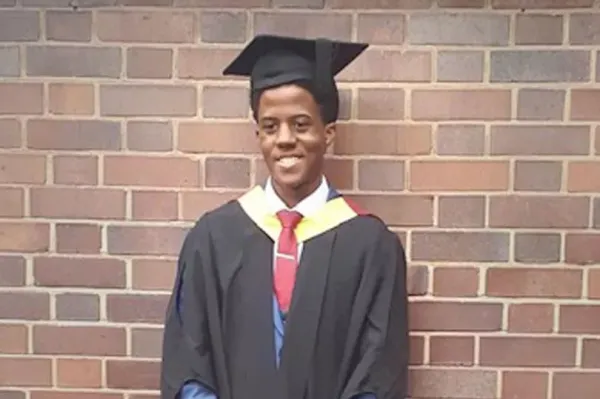
• 'I lost two sisters to sickle cell disease - more awareness could've saved their lives'
• 'Painful blood condition stole my childhood but my book will help kids of the future'
Delo regularly uses the unit when he needs urgent care and says there's a stark difference between receiving support from specialist staff compared to other NHS teams, who are less familiar with the condition.
Delo told the Mirror: “We don’t want to go [to A&E], because you can be there in a lot of agony and could take 12 plus hours before you get a bed - its too much And on top of that, you have to chase to get treatment.”
In contrast, at the special unit, he says: “There are usually three nurses minimum and they're dedicated to you, they understand the condition and get the medication to you on time. In A&E you’re already in pain and you’ve got to actually start looking for a nurse.”

Calvin Campbell, 61, another London sickle cell patient and NHS Senior Community Ambassador, agrees that sickle cell pain can be misunderstood in hospitals.
He says: “We aren't shocked because we know how bad the treatment can be, we've been telling you for years, we're not treated very well. We're treated like junkies. I've been called a junkie just because I asked for a prescription.”
• 'Common disease took my sight and ate my body - it takes 130 people to keep me alive'
In 2021, an All Party Parliamentary Group (APPG) inquiry report into sickle cell care called No One’s Listening was released, following the death of 21-year-old Evan Nathan Smith in 2019 at North Middlesex Hospital, after a sickle cell crisis.
Despite being in hospital, staff delayed Evan’s treatment. They were found to have lacked understanding of sickle cell disease. Evan later died after being refused oxygen by hospital staff and called 999 from his hospital corridor bed, but the emergency operator spoke to ward nurses and decided not to dispatch paramedics.
Despite the No One’s Listening report, tragedies are still happening. In 2023, Dave Onawelo, 30, died in a hospital after attending A&E because he was struggling to breathe. He told medical staff that he believed he was having a sickle cell crisis, but the nurse deemed him not to be acutely unwell.
After some time, his mother who accompanied Dave to the hospital, began to notice her son deteriorate and sought medical assistance. But, according the prevention of future deaths report, a senior nurse refused to help Dave and said she was ‘busy with six patients.’
Coroner Irvine found the Trust failed to recognise a critically ill patient with a pre-existing condition - sickle cell anaemia - which carries a high risk of rapid deterioration. He also said a lack of compassion and clinical curiosity contributed to the death, concluding it could have been prevented with timely treatment.
The Sickle Cell Society has backed Delo's petition, warning that people with sickle cell have long been failed by emergency care that does not meet their needs. The charity said the Royal London pilot had shown what was possible when care is specialist, timely and prioritised, and is calling on the NHS to commit to sustained funding for specialist sickle cell services.
“We believe decisions of this nature about healthcare service provision should be informed by clear evaluation data, showing what delivers the best outcomes for patients and supports healthcare professionals.”
“Tragic cases have shown the real consequences when emergency care fails. Time and time again we hear from people with sickle cell who delay going to A&E because they fear not being believed, and inadequate treatment that might put their lives at risk," says John James, CEO of the Sickle Cell Society
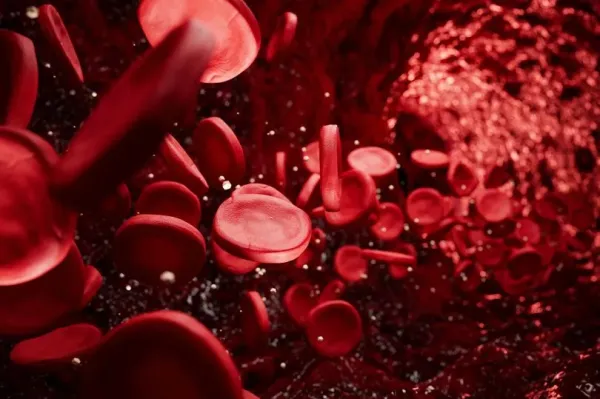
Patients and families now fear the loss of the unit represents a wider pattern of specialist sickle cell services being quietly scaled back, despite rising demand and long-standing warnings about inequalities in care.
Petition organiser Delo says he will not back down, fearing the consequences of losing the unit.
“What does it take for for them to budge? What does it take to actually hear the people that you’re supposed to be treating? There’s over 20,000 petitions saying that there is a need,” he said.
Barts Health NHS Trust responded to the petition and confirmed the unit will close at the end of January.
A spokesperson said: “Funded by the North East London Integrated Care Board, it involved testing an alternative route for treating emergency patients with sickle cell disease who were experiencing acute pain. This was alongside the normal route of being treated through our A&E,” The trust said
“There is no change to the way we manage patients with sickle cell disease, and our Haematology Day Unit remains open for all our elective transfusion therapies. Patients with sickle cell disease will continue to receive specialist-led care at our hospital.”
Contact to : xlf550402@gmail.com
Copyright © boyuanhulian 2020 - 2023. All Right Reserved.