
The UK Health Security Agency (UKHSA) has released the latest figures for an 'unpleasant' winter bug currently sweeping across the UK. The virus is highly contagious and has led to increased activity over the last few weeks.
As of mid-January 2026, there has been a rise in norovirus cases in NHS hospitals, with reportedly more than 1,000 patients affected daily. An average of 136 hospital beds are closed each day due to norovirus or similar symptoms.
The number of patients in hospital with norovirus-like symptoms reached an average of 823 per day in the week ending January 18, 2026. By January 18, more than 1,017 adult hospital beds were occupied by patients with the virus, up from 830 the week before. Recent statistics show a significant increase in norovirus activity, with lab reports from early 2026 nearing 48% of the peak from the previous season.
- UK-wide 'stay at home' alert over bug causing six symptoms with '48-hour rule'
- Vitamin D users told stop taking if you have one of four symptoms
In a new update on X today (Jan 22), the UKHSA said: "Norovirus data: norovirus activity has increased in recent weeks, particularly in adults aged 65 years and over." The data shows that total norovirus laboratory reports between weeks two and three of 2026 were 60% higher than the five-season average for the same two-week period.
A statement on the gov.uk website reads: "Following a drop in reporting, which coincided with the Christmas holiday period, norovirus activity has increased in recent weeks and exceeded expected levels in week two... In the latest week (week three of 2026), the total number of positive laboratory reports was 392. This is 56.6% of the previous season’s peak (693 laboratory reports)."
The increase in norovirus cases, commonly known as the 'vomiting bug', has put more strain on the NHS, with many people experiencing symptoms such as diarrhoea and vomiting. Even though the exact numbers for today can change, recent updates show that the virus is still a big problem in hospitals compared to past years. To handle the outbreaks, hospitals are shutting down some beds and keeping patients apart to stop the virus from spreading further.
What symptoms does norovirus cause?
Even though it's often referred to as the winter vomiting bug, norovirus can actually happen at any time throughout the year. Symptoms usually appear 12 to 48 hours after exposure.
The main symptoms of norovirus usually start suddenly. The main ones include being sick, feeling sick and having diarrhoea. But there are a few other ones that people may experience at the same time.
If you or your child has norovirus, you can often manage it at home. Most people start feeling better in about two to three days. Diarrhoea and vomiting can usually be managed at home. The key thing is to drink plenty of fluids to prevent dehydration.
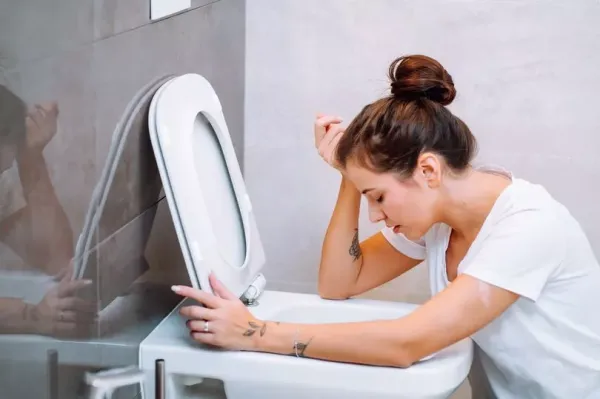
When you're sick, you're the most contagious, but you can still spread the virus for weeks. It's best to stay away from public places until you are completely better.
Contact to a doctor if you have severe dehydration (dry mouth, less urination), symptoms lasting over three days, blood in your stool and high fever or severe pain.
How long does norovirus last and what should people do?
Norovirus symptoms usually last between one to three days. Most people get better in one to three days, but diarrhoea might stick around a bit longer. You can still spread the virus, so it's important to stay home for at least 48 hours (two days) after your symptoms have completely gone, which can mean up to seven days to stay at home in total in some cases.

The virus spreads easily and can live on surfaces for weeks, so you need to clean carefully with bleach. When you're sick, you're the most contagious, but you can still spread the virus for weeks. So, it's best to stay away from public places until you are completely better.
While ill, it is important to drink plenty of fluids (water, broth) and avoid caffeine/alcohol. You should also get lots of rest and stay home and away from others - including avoiding visiting crowded places like work, school, care homes and hospitals.
Contact to : xlf550402@gmail.com
Copyright © boyuanhulian 2020 - 2023. All Right Reserved.