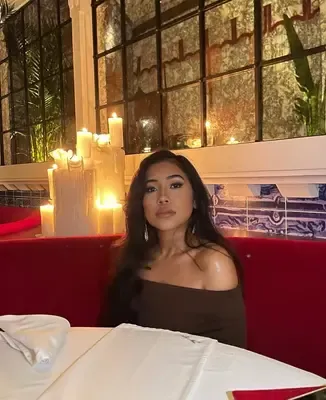
Recently, an Instagram trend caught on like cyber wildfire — the #2016 trend, where social media users went on a nostalgic trip, posting videos, pictures and moments from just a decade ago. Perhaps we find it hard to believe that it’s only been 10 years since 2016, a time when life somehow felt less complicated and confusing (of course, the fact that things always look better in retrospect is a debate for another day!). But there is no denying that the last few years have brought rapid change, emotional recalibration and a cultural reset — shifts that have altered not just how we live, work and connect, but also how we love.
Valentine’s Day 2026 may or may not inspire a similar urge to look back, but if there’s one thing that didn’t exist in 2016 in quite the same way, it’s the sheer vocabulary of modern romance. Situationships, contra-dating, choremance, breadcrumbing, monkey branching — the language of love has multiplied, turning an already tricky emotional landscape into something that feels almost intimidating. The questions being: which stage of a relationship are you in and what should your actions during the same be called? Has the core emotion of wanting, belonging and being in a partnership really changed? Or has love simply learned new shapes as each generation navigates its own realities?
The answer depends on who you ask, and where they are in their love story. For Alex George, 47, a businessman who has been married for over two decades, the expanding lexicon is more amusing than alarming. He chuckles at the number of terms he’s encountered recently though he feels all the stages and love shenanigans have existed since time immemorial. “Everything you come across online — breadcrumbing, monkey branching, situationships etc — has always been there in some form or the other,” he laughs. “Maybe this generation has just formalised it, putting labels on every act. When we were dating, we didn’t call it anything. We just lived and loved our way through life!”
Sonia
Labels or not, what remains unchanged is the route that every generation takes before they arrive at their love destination. For instance, Gen Z is often seen as emotionally evasive or commitment-phobic, but a closer look at their experiences suggest something more nuanced: a desire for clarity in an otherwise uncertain world.
For Sonia Malde Kara, a student and part-time writer in her early 20s, love began the way many modern relationships do — online. Months of following each other on Instagram and Snapchat slowly turned into conversations, and then something deeper. Today, she’s been engaged to Mohamed, an armed forces professional, for two years. “We didn’t resist labels,” she says, surprised at our question. “Once we realised we were aligned in what we wanted, it felt natural to define it.”
Despite distance and demanding schedules, romance for Sonia lives in the ordinary activities. “Checking in even when you’re busy. Saying ‘I’m here’ or ‘Are you okay?’ That’s how we stay connected.”
Gen Z relationships, in fact, often swing between two extremes: the highly visible, emotionally confusing world of situationships and performative romance, and a quieter, more intentional approach rooted in clarity, consistency and emotional presence. The motto being: it doesn’t matter where it leads, how long it lasts but as long as it does, there needs to be purpose and fulfillment.
And quite like their professional lives, the need for surety echoes in their personal realms too. Unlike many in their 30s and 40s who waited, questioned, established themselves and then committed (or backed out), young love today doesn’t always want to linger in the waiting room. When it’s right, they just know it’s right. Kaya Peters, 27, a social media executive, knew early on that her husband Rogers was the one. They didn’t wait too long and two months ago they tied the knot. “A lot of my friends are dying to get married,” she says. “They don’t want to waste time once they know they have met the right person.”
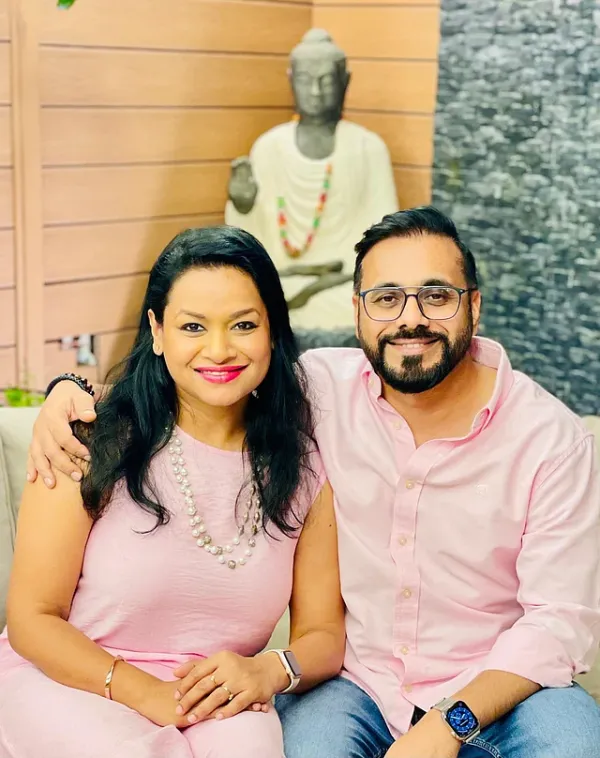
Monika and Nishant
Dating during her university years often left her confused, she admits, given the flaky nature of teen love. But as she grew older, her expectations sharpened. “We want clarity; being stuck in ambiguous spaces feels harder. It’s better to seal the deal and then face life together,” she says. No ifs or what ifs or buts or maybes like those whose experiences have taught them better than to marry in haste and repent at leisure.
For instance, millennials seem to prefer to take a more informed and slow choice, after reflection and careful observation. Siyaal Moussa, a homemaker who married at 32, is one such woman for whom love came after much deliberation. After being through casual relationships in her 20s, she met her British husband while travelling to Dubai and felt an immediate connection — one that endured cultural differences and adjustment. “After 30, you know what you’re getting into,” she says. “You’re more sure of what you want. That makes decisions easier. You also know what to hold on to and what to let go off, to make a relationship succeed.”
Currently, the honeymoon phase has worn off but she is still her husband’s best friend determined to make it through thick and thin. “I believe in giving my marriage my all. What’s the point otherwise?” she asks.
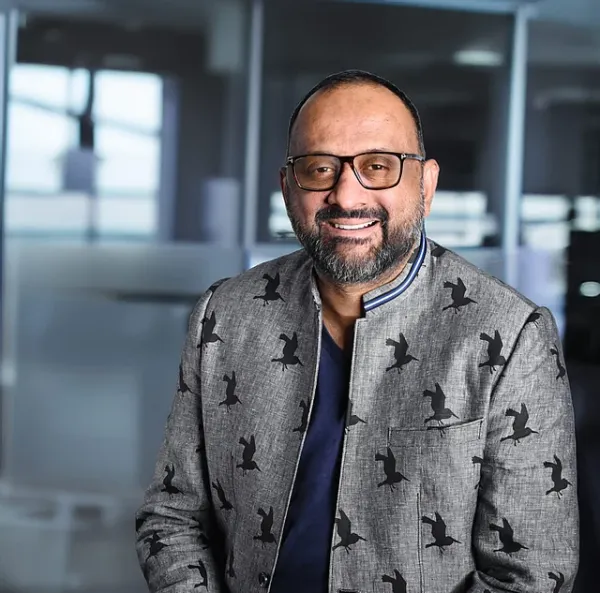
Alex
The social pressure
Personal timelines may differ, but dating in the modern age brings another shared pressure — one largely shaped by social media. When relationships unfold on Instagram feeds, intimacy often competes with visibility with couples playing out their feelings on their respective feeds. The challenge, many feel, is knowing when not to post.
Sonia is deliberate about keeping her relationship private. “Only family and close friends know,” she says. “For many in my generation, privacy is the hardest part. There’s so much pressure to share, that relationships can start to feel performative.”
Alex sees the same shift from a different vantage point. “Earlier, you met people, dropped hints, waited,” he says. “Now I see even people my age — divorced and back in the ring — planning four dates at a go. The organic charm of romance has faded!” Perhaps that’s why, in his own marriage, love shows up away from screens — in short holidays, staycations and time intentionally carved out. It also shows up in disagreements. “My wife and I fight, we argue, and that’s healthy,” he says. “When you fight and make up, the relationship grows.”
The love language change
In fact, growth, most Gen X couples agree, is reflected in love shedding its dramatic edges. For those who’ve been together for decades, it means announcing your feelings not in words or gifts but in quieter ways.
Monika and Nishant Prasad, married for over 18 years after meeting through a matrimonial website in India and entering an arranged marriage, embody this shift. “In the first few years, you need to vocalise your feelings,” the couple reflects. “Now it’s in the little things — the compromises, the way you show up for family. That’s how love changes shape.”
So from chocolate and teddies, if your love language has evolved to “chore-mance” (the term for romantic dynamic where bonding happens primarily through shared household tasks), it means love has grown.
Monika believes her generation understood the magic of slow love…the patience to build something over time, to adjust and sometimes compromise for the larger picture. “Today, I see people wanting to walk out at the slightest discomfort, especially younger couples,” she says.
The space question
The love language may change, the timelines may alter and words may differ however if there is one truth that cuts across age groups, cultures and circumstances, it’s the importance of space. Love, couples agree, doesn’t mean constant closeness. “We value space a lot,” Sonia says. “You need to grow as individuals to stay strong together. Love involves sacrifice, but not losing yourself.”
Monika echoes the sentiment. “Especially after years of marriage, space is essential. You need your own passions, your own friends. Without that, relationships start to feel heavy.”
Perhaps that is the connective tissue after all: love doesn’t disappear, weaken or become less romantic with time, it simply adapts. Maybe a decade from now, today’s couples will scroll back at #2026 with the same mix of amusement and fondness - laughing at complicated relationship statuses, decoding old texts and wondering how they got through it all amid the complexities. Labels may come and go but you can be sure love keeps doing what it has always done: finding its way, changing course, creating new shapes and taking us along with it.
What does the New Year have in store for us: 10 predictions for life in 2026 Kartik Aaryan, Ananya Panday on Gen Z love: 'At the end of the day, everyone wants commitment' From 'Ragebait' to 'Aura Farming': The Gen-Z slang that defined 2025Contact to : xlf550402@gmail.com
Copyright © boyuanhulian 2020 - 2023. All Right Reserved.