Can Visiting These Temples During Gupt Navratri Help Life Struggles?
Gupt Navratri is not about outward celebration. It is a time of deep inner transformation. Unlike regular Navratri, it focuses on the hidden powers of the Divine Feminine known as the Ten Mahavidyas. Ancient scriptures describe Gupt Navratri as a silent spiritual process, similar to deep healing within the mind and soul. During this period, people visit specific temples when life feels heavy, confusing, or repetitive. These temples are respected for discipline, intense spiritual energy, and authentic inner change rather than crowds or rituals.
Maa Bagalamukhi Temple

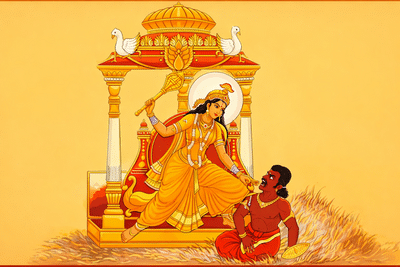
Maa Bagalamukhi symbolizes the divine power that stops harm before it manifests. Ancient mythology describes her as the Mahavidya who freezes negative forces through awareness and discipline. During Gupt Navratri, devotees worship her to calm enemies, inner fear, and restless thoughts. The temple energy feels silent yet deeply stabilizing. Many devotees experience mental clarity replacing confusion. The worship focuses on protection, not revenge. This spiritual practice helps control destructive impulses and supports those facing legal troubles, anxiety, and emotional instability through conscious strength and focused devotion.
Yogmaya Temple

Yogmaya Devi is the divine intelligence behind Krishna’s cosmic plan and sacred play. Hindu scriptures describe her as the power that shapes destiny and protects dharma during times of crisis. During Gupt Navratri, devotees visit the Yogmaya Temple seeking clarity when life decisions feel confusing. Experienced practitioners believe sincere prayer here calms the mind and restores emotional balance. Ancient tradition teaches that Yogmaya guides without force. True transformation happens through awareness and understanding, not struggle. This wisdom makes the temple deeply relevant even today.
Dhari Devi Temple

Dhari Devi is revered as a guardian goddess who protects the land and its people. Ancient legends describe her as a powerful Shakti Peetha connected to Goddess Kali. During Gupt Navratri, devotees believe her energy becomes more active and protective. People visit when facing fear, insecurity, repeated losses, or unseen obstacles. Situated beside the Alaknanda River, the temple’s silence enhances spiritual focus. Worship here is associated with courage, inner stability, and trust in divine protection, reflecting deep spiritual wisdom passed through generations.
Nav Durga TempleNav Durga symbolizes completeness in Hindu philosophy. Each of the nine forms of Goddess Durga heals a specific weakness of the human mind, such as fear, doubt, anger, or insecurity. During Gupt Navratri, Nav Durga temples become powerful spaces for inner alignment and mental balance. Devotees seek strength, patience, clarity, and emotional stability through disciplined worship. Ancient mythology teaches that when all inner energies work together in harmony, suffering naturally reduces. Nav Durga reminds us that true solutions come from balance and awareness, not escape.
Why These Temples Feel DifferentThese temples are not about asking for quick results. They are about discipline, awareness, and surrender. Gupt Navratri activates subtle energies. Temples rooted in Tantra work on fear, ego, and unconscious habits. Mythology explains that Mahavidyas do not comfort the mind. They awaken truth. This is why devotees feel lighter, calmer, and clearer after sincere worship.
Unlock insightful tips and inspiration on personal growth, productivity, and well-being. Stay motivated and updated with the latest at My Life XP.
Q1. Is Gupt Navratri only for Tantric practices?
No. Anyone seeking inner healing, clarity, or courage can observe it with devotion.
Q2. Can visiting these temples solve life problems?
Temples support inner transformation. When mindset changes, solutions appear naturally.
Q3. Do Mahavidyas give fear or peace?
They remove fear by revealing truth. Peace follows awareness.
Q4. Is fasting necessary during Gupt Navratri?
Discipline matters more than fasting. Simple, sincere practice is enough.
Q5. Why is Gupt Navratri considered powerful?
Because it works on the unconscious mind, where real change begins.
Maa Bagalamukhi Temple
The Mahavidya who silences negativity and confusion
Maa Bagalamukhi symbolizes the divine power that stops harm before it manifests. Ancient mythology describes her as the Mahavidya who freezes negative forces through awareness and discipline. During Gupt Navratri, devotees worship her to calm enemies, inner fear, and restless thoughts. The temple energy feels silent yet deeply stabilizing. Many devotees experience mental clarity replacing confusion. The worship focuses on protection, not revenge. This spiritual practice helps control destructive impulses and supports those facing legal troubles, anxiety, and emotional instability through conscious strength and focused devotion.
Yogmaya Temple
Where destiny, protection, and divine illusion meet
Yogmaya Devi is the divine intelligence behind Krishna’s cosmic plan and sacred play. Hindu scriptures describe her as the power that shapes destiny and protects dharma during times of crisis. During Gupt Navratri, devotees visit the Yogmaya Temple seeking clarity when life decisions feel confusing. Experienced practitioners believe sincere prayer here calms the mind and restores emotional balance. Ancient tradition teaches that Yogmaya guides without force. True transformation happens through awareness and understanding, not struggle. This wisdom makes the temple deeply relevant even today.
Dhari Devi Temple
Fierce protection energy of Goddess Kali
Dhari Devi is revered as a guardian goddess who protects the land and its people. Ancient legends describe her as a powerful Shakti Peetha connected to Goddess Kali. During Gupt Navratri, devotees believe her energy becomes more active and protective. People visit when facing fear, insecurity, repeated losses, or unseen obstacles. Situated beside the Alaknanda River, the temple’s silence enhances spiritual focus. Worship here is associated with courage, inner stability, and trust in divine protection, reflecting deep spiritual wisdom passed through generations.
Nav Durga TempleNav Durga symbolizes completeness in Hindu philosophy. Each of the nine forms of Goddess Durga heals a specific weakness of the human mind, such as fear, doubt, anger, or insecurity. During Gupt Navratri, Nav Durga temples become powerful spaces for inner alignment and mental balance. Devotees seek strength, patience, clarity, and emotional stability through disciplined worship. Ancient mythology teaches that when all inner energies work together in harmony, suffering naturally reduces. Nav Durga reminds us that true solutions come from balance and awareness, not escape.
Why These Temples Feel DifferentThese temples are not about asking for quick results. They are about discipline, awareness, and surrender. Gupt Navratri activates subtle energies. Temples rooted in Tantra work on fear, ego, and unconscious habits. Mythology explains that Mahavidyas do not comfort the mind. They awaken truth. This is why devotees feel lighter, calmer, and clearer after sincere worship.
Unlock insightful tips and inspiration on personal growth, productivity, and well-being. Stay motivated and updated with the latest at My Life XP.
Q1. Is Gupt Navratri only for Tantric practices?
No. Anyone seeking inner healing, clarity, or courage can observe it with devotion.
Q2. Can visiting these temples solve life problems?
Temples support inner transformation. When mindset changes, solutions appear naturally.
Q3. Do Mahavidyas give fear or peace?
They remove fear by revealing truth. Peace follows awareness.
Q4. Is fasting necessary during Gupt Navratri?
Discipline matters more than fasting. Simple, sincere practice is enough.
Q5. Why is Gupt Navratri considered powerful?
Because it works on the unconscious mind, where real change begins.
Contact to : xlf550402@gmail.com
Copyright © boyuanhulian 2020 - 2023. All Right Reserved.