Stretching across two continents and spanning almost the entire length of the Western Hemisphere, the Pan-American Highway is one of the longest motorways ever built. Linking 14 countries on a scale that few travel networks can rival, it is recognised by Guinness World Records as the world's longest motorable road.
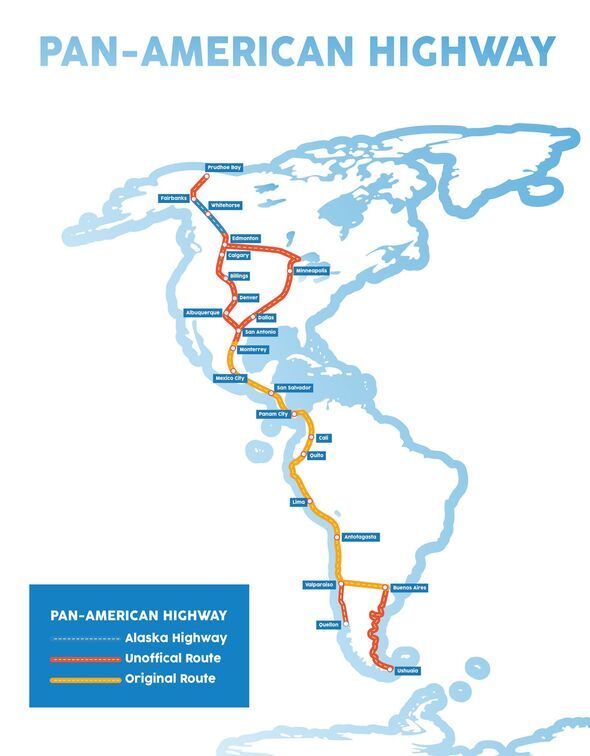
But despite its name, the Pan-American Highway is not a single, uninterrupted strip of tarmac. Instead, it is a vast collection of national highways stitched together over decades. It runs from Prudhoe Bay, Alaska, US to Ushuaia, Argentina, often referred to as the southernmost city in the world.
This colossal route covers roughly 19,000 miles (30,000 kilometres). Depending on how it is defined, the highway passes through 14 countries (sometimes 15 if Canada is included as part of the northern network):
- United States
- Mexico
- Guatemala
- El Salvador
- Honduras
- Nicaragua
- Costa Rica
- Panama
- Colombia
- Ecuador
- Peru
- Chile
- Argentina
Along the way, it cuts through deserts, rainforests, mountain ranges, cities and remote wilderness.
Despite its length, the Pan-American Highway has one famous break: the Darién Gap, a roughly 100-mile stretch of jungle between Panama and Colombia. This is the only missing link in the entire route and for environmental and safety reasons, a road has never been completed here.
With thick rainforest, swamps, mountains and limited infrastructure, it has been affected by smuggling routes and armed groups. Travellers attempting the full Pan-American journey must ship their vehicle by boat or plane between Central and South America.
In theory, driving the Pan-American Highway without lengthy stops could take two to three months. However, most people who attempt the journey take far longer.
Many travellers take six months to a year, while others stretch the journey to one or two years. Today, it has been driven end to end by motorcyclists, cyclists and even runners. Actor Ewan McGregor rode large sections of the route during his Long Way motorcycle series.
The idea of a single road linking the Americas was first proposed in 1923, during the Fifth International Conference of American States. However, each country built and upgraded its own sections at different times, often to very different standards.
Major construction took place from the 1930s through to the 1970s, though parts of the highway existed long before that and many sections continue to be modernised today. This means there is no single completion date for the Pan-American Highway.
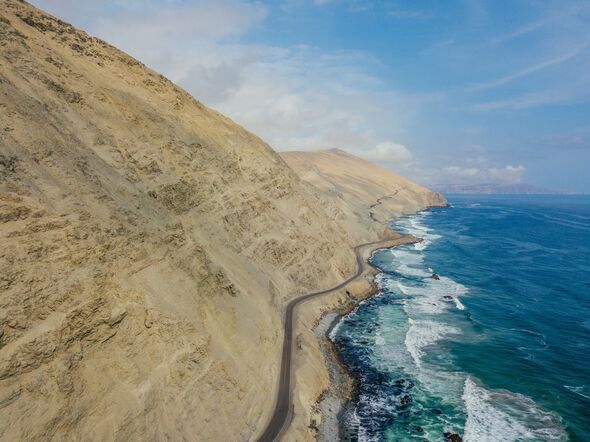
Large portions of the highway, particularly in North America, are fully paved and resemble modern motorways. Elsewhere, conditions can vary dramatically and some stretches in Central and South America are poorly maintained or even impassable during rainy seasons.
In the Andes, the road climbs to elevations of over 4,000 metres (13,000 feet), making altitude and weather additional challenges for drivers.
Contact to : xlf550402@gmail.com
Copyright © boyuanhulian 2020 - 2023. All Right Reserved.