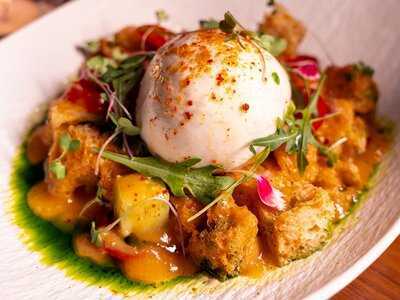
It looks like a dumpling from a distance and mozzarella di bufala once you get a little closer, but it is neither. It is the burrata, a cheese that was invented to ensure precious dairy didn’t go to waste due to inclement weather. Approximately 100 years ago, cheesemaker Lorenzo Bianchino at the Bianchini farm in Andria mixed leftover mozzarella curds (stracciatella) with cream and parcelled them in small pockets made of stretched mozzarella.
The legend of the cheese has been passed down orally by the Bianchino family. It was recognised as an artisanal product of Andria in 1931 by Guida Gastronomica D’Italia. Burrata di Andria, since then, has a protected geographical indication; only burrata produced and packaged in the region of Apulia can be called so. The creamy pocket of cheese has become a global favourite since its inception. “It has become a $4 billion industry,” shares Flavel Monteiro, Co-author of 100 Years of Burrata, a book that pays homage to the cheese and chronicles the history of the Puglian cheese, its importance in the culinary landscape and recipes as shared by cheesemakers and chefs from all over the world. “The book is a tribute to Bianchino and modern artisans who continue the legacy a century later,” shares Sumit Govind Sharma, Co-author of the book.
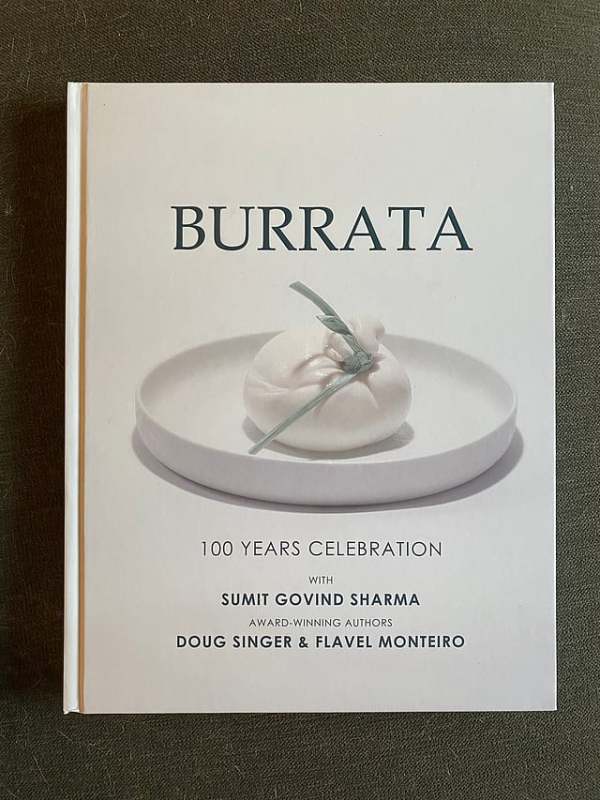 100 Years of Burrata co-authored by Flavel Monteiro, Sumit Govind Shrama and Doug Singer
 “The whole concept of the burrata is simplicity,” adds Monteiro. It comes as no surprise that burrata has found a following in India. The cheese feels indulgent yet familiar. Its creamy texture and gentle flavour make it easy to enjoy, while still feeling special. In Mumbai, burrata salad and pizza with burrata have become bestselling dishes at restaurants such as The Table, Olive Bar & Kitchen, Kitchen Garden by Suzette, Celini, Cin Cin, etc. “India is a dairy-forward country, and burrata has all the flavours and textures India loves—malai-like, creamy, soft, and milky. Burrata feels familiar yet decadent and luxurious; it’s easy to enjoy, easy to pair, and delivers instant drama on the plate. Much like in Italy, it took off in India once local production made it fresh and accessible,” explains Mansi Jasani, Founder, The Cheese Collective.
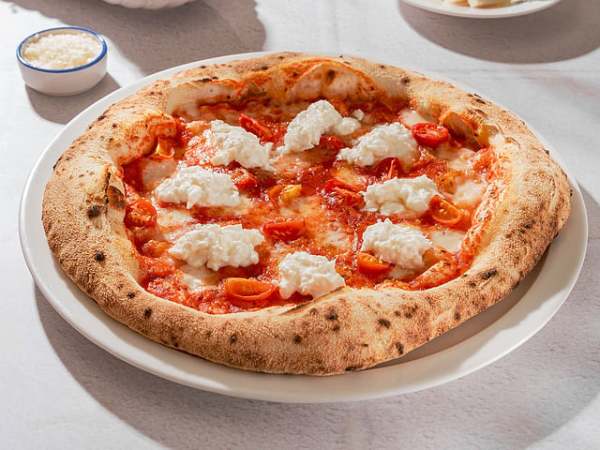 Burrata Pizza at CinCin
 The biggest distinction for burrata compared to other cheeses, especially Italian ones, is its freshness. The two common comparisons are mozzarella due to the stracciatella and ricotta due to the creaminess. But it is like neither; it is a stand-alone component of a dish. “It has a delicate mozzarella shell, but inside it’s soft, creamy and rich, which immediately changes how you experience a dish. It’s not a cheese you grate or melt into the background—it’s meant to be noticed,” explains Chef Dayamani Singh, Executive Chef at CinCin. Chef Giovanni Papi, Executive Chef, Beluga Bar and Restaurant, Dubai, who was here in India for the launch of the 100 Years of Burrata book, added, “Burrata is not a cheese that deserves to be treated and processed too much.”
Most formaggiaio and chefs will recommend experiencing the cheese on its own with a drizzle of fresh olive oil and a pinch of salt. Monteiro recommends replacing olive oil with ghee for an equally evocative but culturally relevant tasting experience of fresh burrata. “Don’t overcomplicate it. Burrata thrives on restraint, keep it simple, and let the cheese do the talking,” adds Chef Anthony Burd, Culinary Director at Cantina, a new Italian-American restaurant at BKC. If someone serves cold burrata, it is a red flag; the cheese has to be room temperature for the centre to stay creamy. This is also why it should never be frozen. It is best paired with clean, straightforward flavours like tomatoes, herbs and well-balanced sauce. The cheese is not meant to be heated or cooked and should be incorporated as the last element of a dish.
Contact to : xlf550402@gmail.com
Copyright © boyuanhulian 2020 - 2023. All Right Reserved.