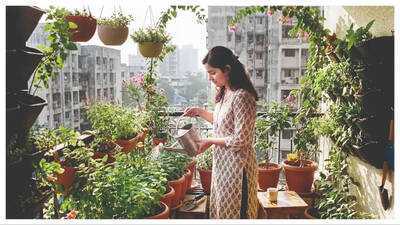
A response to city life. From millennials living in compact apartments to retirees rediscovering their love for soil, growing plants has become both a lifestyle choice and a form of self-care. The act of watering plants before work or harvesting fresh coriander for dinner provides a rare sense of pause in an otherwise relentless routine. Purnima Contractor, a social worker, says, “Urban gardening may not transform Mumbai’s skyline overnight, but its impact runs deeper. It reconnects us with nature and helps reshape the city’s relationship with sustainability.”
Every morning I water my plants before checking my phone. It sounds small, but it’s changed how my day begins. There’s a sense of calm I didn’t expect
– Anjali Mehta, a marketing professional
More than just plants
For many, urban gardening is as much about sustainability as it is about greenery. Composting kitchen waste, reducing plastic by growing food at home, and supporting biodiversity through native plants are all part of the movement. Gardening groups and workshops across the city, from Bandra to Powai, have helped build communities around shared learning. WhatsApp groups exchange tips on pest control, monsoon care and soil mixes, turning gardening into a collective urban experience rather than a solitary hobby. Dr Prarthana Shah, who conducts home gardening and wellness workshops, says, “Gardening at home teaches us so much about patience and resilience. It’s proof that even in the tightest spaces, life finds a way to grow.”
Small spaces, smart solutions
What makes urban gardening viable in Mumbai is innovation. Vertical gardens line balcony walls, hanging planters dangle from grills, and self-watering pots make maintenance manageable even during long workdays. Terrace gardens—especially in housing societies—are becoming communal projects, turning unused rooftops into shared green spaces. Herbs like tulsi, mint, curry leaves and basil dominate, while cherry tomatoes, chillies and spinach are increasingly common sights. Even homes without balconies are getting creative. Window sills host microgreens, while indoor plants thrive under grow lights. The message is clear: lack of space is no longer an excuse.
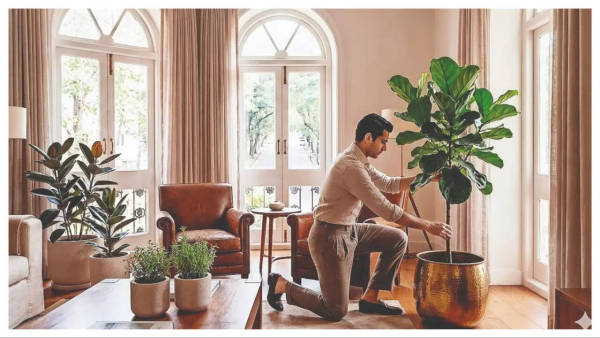
Quick Tips
Use vertical space: Wall racks or hanging planters are great for small balconies.
Mix edible plants and ornamentals:Grow herbs like mint and tulsi alongside flowering plants for color and fragrance.
Think layers: Rails for herbs, stands for veggies, and corners for larger pots.
Make it cozy: Add seating or fairy lights to turn your garden into a little escape
Contact to : xlf550402@gmail.com
Copyright © boyuanhulian 2020 - 2023. All Right Reserved.