After months of frustration among Brits over the rollout of the EU's new Entry/Exit System (EES), holidaymakers heading to Europe this summer had been bracing for even more chaos. This was thanks to the implementation of the EU's controversial and long-awaited European Travel Information and Authorisation System (ETIAS).
ETIAS - often dubbed the EU's answer to the US's ESTA - will require visa-exempt nationals, including those from the UK, US, Canada and Australia, to apply online and pay a €20 (£17.30) fee before entering the Schengen Area. Unlike the EES, which is a physical check at the airport, ETIAS is entirely online.
Applicants are required to complete a 10-minute form on the official website or mobile app before their trip. The details are then cross-referenced against security databases, such as Interpol and Europol. Most people will receive approval via email within minutes. Once approved, the authorisation is digitally linked to the traveller's passport.
You will need an ETIAS to enter 30 European countries, including those in the Schengen Area like Spain, France and Greece, as well as the non-Schengen EU nations of Bulgaria, Romania and Cyprus. Non-EU Schengen countries - Iceland, Norway, Switzerland and Liechtenstein - will also require the application. Ireland will not be part of ETIAS, meaning visitors can still travel there under the Common Travel Area (CTA).
When you apply, you must state the first country you intend to enter. You are then expected to enter that country first. Once you have entered that first country, you can travel freely across all other ETIAS countries.
For a long time, the EU aimed for a late 2024 launch. By mid-2024, reports shifted towards a May 2025 deadline. Authorities originally planned to activate the EES in November 2024, with ETIAS always scheduled to follow exactly six months after the EES became fully operational.
However, according to an update published on January 9, ETIAS will now launch in the "last quarter of 2026" with a six-month grace period, meaning the permit will not become mandatory until at least April 2027.
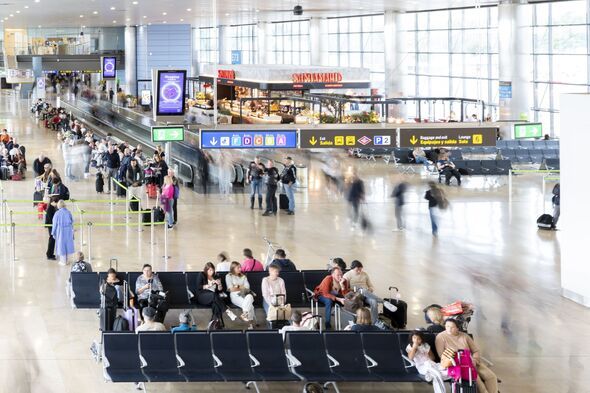
The delay will likely be welcomed by many in the tourism industry, as tour operators had feared that a 2025 launch would overlap with peak demand from North American tourists and create confusion at airports. AENA, Spain's airport operator, says the extension gives ground-handling teams additional time to train staff on the combined EES-ETIAS workflow.
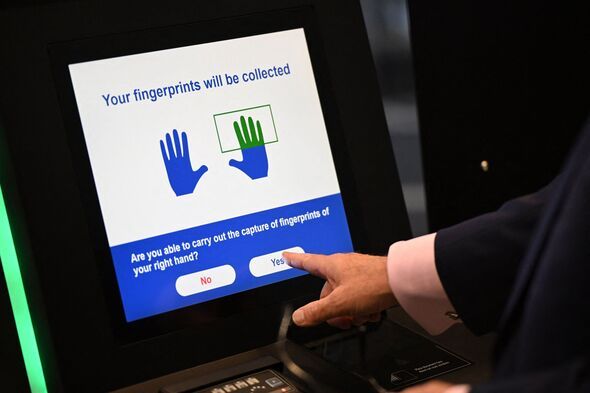
Regarding the EES, while the system was designed to speed up border processing in the long run, the phased rollout - which is due for full completion by April 2026 - has led to significant teething problems. The biggest complaint is the initial registration process. Every British traveller must have their fingerprints scanned and a facial photo taken the first time they enter the Schengen area under the new rules. Eventually, it will replace the manual stamping of passports.
Even if the process only takes two minutes per person, a single plane carrying 200 passengers can create a massive backlog. Travellers have reported "insane" queues at popular holiday hubs like Tenerife, Alicante and Prague, with some wait times exceeding three to four hours during peak arrival windows.
There have also been widespread reports of kiosks being out of order or staff being undertrained.
Contact to : xlf550402@gmail.com
Copyright © boyuanhulian 2020 - 2023. All Right Reserved.