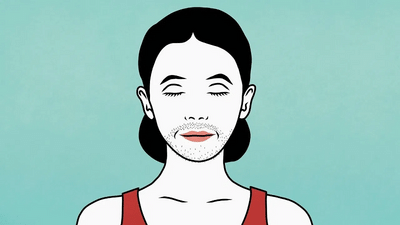
Modern lifestyles have drastically changed the way our bodies function. Irregular sleep patterns, unhealthy eating habits, stress, and lack of physical activity are no longer rare—they have become the norm. As a result, many women today are dealing with health issues that were once considered uncommon. One such growing concern is excessive facial hair growth in women, especially on the upper lip, chin, and jawline—areas typically associated with male facial hair.
For many women, noticing thick and dark hair on the face can be emotionally distressing. To hide it, they often rely on frequent waxing, shaving, threading, or social media–promoted home remedies. Unfortunately, these methods only provide temporary relief and do not address the root cause. In some cases, repeated hair removal can even worsen the issue. Doctors emphasize that understanding the actual medical reason behind facial hair growth is the first step toward effective treatment.
What Is Facial Hair Growth in Women Called?
According to Dr. Jangid, Hair Transplant Surgeon at SkinQure, excessive facial hair growth in women is medically known as Hirsutism. In this condition, women develop thick, coarse, and dark hair similar to men. The hair commonly appears on the upper lip, chin, jawline, chest, abdomen, and sometimes even the back.
The primary cause of hirsutism is hormonal imbalance, particularly an increase in male hormones called androgens. Although both men and women naturally produce male and female hormones, problems arise when androgen levels become higher than normal in women.
Which Women Are More Likely to Experience This Problem?
Doctors explain that facial hair growth in women can be genetic, meaning it may run in families. Studies suggest that 20 to 30 percent of women may experience this condition at some point in their lives.
Another major cause is PCOS or PCOD (Polycystic Ovary Syndrome/Disease). In this condition, androgen levels rise abnormally, leading to male-pattern hair growth. The problem often begins during adolescence, around the ages of 16 to 18, when hormonal changes are already active.
Apart from genetics and PCOS, other contributing factors include:
-
Certain medications
-
Poor lifestyle habits
-
Obesity
-
Chronic stress
Common Symptoms Associated With Hormonal Imbalance
Hirsutism rarely occurs alone. Doctors say it is often accompanied by other symptoms, such as:
-
Irregular or delayed menstrual cycles
-
Sudden weight gain
-
Hair thinning or hair loss on the scalp
-
Acne and oily skin
-
Difficulty in managing weight
These signs indicate that the issue is internal and not just cosmetic.
How Is Facial Hair Growth in Women Treated?
Dr. Jangid explains that treatment begins with hormonal evaluation. Blood tests are conducted to assess hormone levels and identify underlying conditions like PCOS.
Once diagnosed, treatment usually includes:
-
Hormone-balancing medications
-
Lifestyle changes such as improved diet, exercise, and stress management
This treatment typically lasts 3 to 6 months, and once hormones stabilize, new hair growth significantly reduces or stops.
Is Hair Removal Necessary?
Temporary hair removal methods like waxing or shaving are not recommended as a permanent solution. Instead, doctors suggest laser hair reduction for existing hair. This medical procedure targets hair follicles and reduces growth effectively.
With 6 to 8 laser sessions, about 70–80 percent of thick facial hair can be permanently reduced. However, laser treatment works best when combined with hormonal treatment.
Contact to : xlf550402@gmail.com
Copyright © boyuanhulian 2020 - 2023. All Right Reserved.