- A new chapter in India’s free trade policy
- Germany-India Free Trade Agreement negotiations begin
- Import of electrical equipment will be cheaper
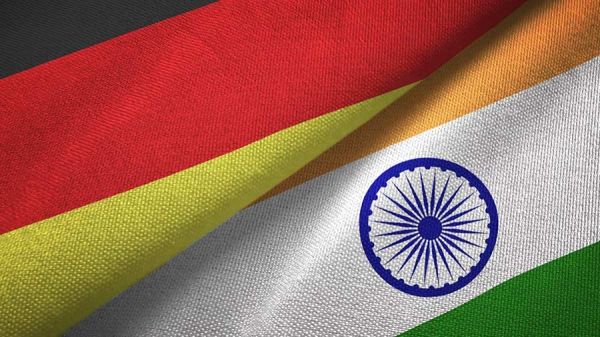
India-Germany Trade: Negotiations on a free trade agreement between Germany, Europe’s largest economy, and India, Asia’s second largest economy, are about to begin. German Chancellor Friedrich Merz is currently in India and negotiations have begun on duty-free trade between the two countries. India is currently grappling with high US tariffs and is pushing for zero-tariff trade with European countries as a countermeasure. If this deal is finalised, it will make many goods cheaper in India.
Trade between the two countries was estimated at Rs 33.4 billion in the last financial year. Of this, India exported goods worth Rs 15.09 billion to Germany, while India imported goods worth Rs 18.31 billion from Germany. The same trend was observed last year, i.e. 2025. Looking at the figures for the month of October alone, India exported $824 million worth of goods to Germany, while importing $1.79 billion worth of goods from there.
India has a trade deficit of around $3 billion with Germany. If an FTA (Free Trade Agreement) is finalized between the two countries, it will be easier for India to bridge this trade deficit. In terms of trade and purchases between the two countries, India’s top exports to Germany include pharmaceuticals, textiles, particularly cotton, power generation machinery, chemicals, textiles, auto components and mineral oil.
The largest imports from Germany to India are airplanes and helicopters, power generation machinery, rubber-plastic manufacturing machinery, electrical appliances, car wheels and parts, chemicals, plastics and machinery used in industrial plants. Looking at total imports, aircraft accounted for the largest share of imports at $18 billion. Germany is India’s eighth largest trading partner, while India is Germany’s 23rd largest.
Not only is trade in goods growing between the two countries, but services trade and investment are also growing rapidly. In 2024, trade in services between the two countries was estimated to be around $17 billion. Moreover, investment from Germany is also strengthening. In the five fiscal years from April 2020 to March 2025, India has received approximately $15.11 billion in foreign direct investment from Germany. This investment will further increase after completion of FTA. Most of Germany’s FDI has been in the transport, electrical equipment and automobile sectors.
India has been trying to sign a free trade agreement with the European Union for the past few months. Germany is its biggest country and if India succeeds in wooing Germany, FTA with EU will be easy. A meeting between the European Union and India will be held on January 27. If an FTA with Germany is reached, tariffs on more than 90% of goods will be reduced or eliminated. This will reduce the prices of goods in both the countries.
If a free trade agreement is reached with Germany, the biggest impact will be on luxury cars coming from Germany. India still buys luxury cars from Germany like BMW, Mercedes and Audi. Currently, taxes on these cars range from 60 to 100 percent. After the FTA, these cars can become cheaper by 20 to 50 percent. This can also increase the car exports to Europe by 50 percent. This clearly shows that imports of electrical appliances will also become cheaper.
An FTA with Germany will also make industrial machinery, power generation equipment and electronics equipment cheaper, which will be a positive step for Indian manufacturing. Moreover, reduced tariffs will also make it easier to buy chemicals, plastic products and solar panel components. In addition, cheese and wine can also be purchased from Germany at low prices. Overall, imports of German products to India could increase by up to 35% after the FTA. This will increase the consumption of European products in the country and lower prices.
Contact to : xlf550402@gmail.com
Copyright © boyuanhulian 2020 - 2023. All Right Reserved.