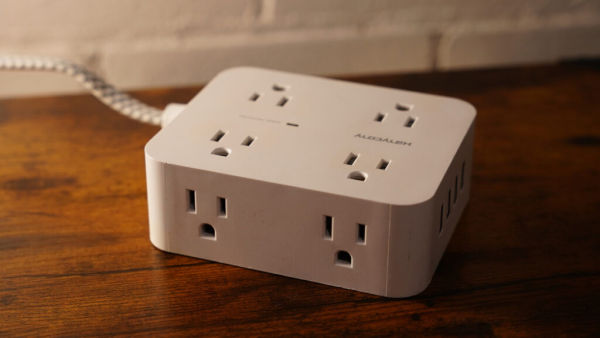
We’d lay even odds that, at this very moment, there is a surge-protecting power strip somewhere in your home that has multiple different devices plugged into it. We’d also wager that you probably have no idea how old that surge protector actually is, and that is no doubt true whether you know what makes a surge protector a surge protector, or even what functional condition the power-protecting device is in.
But if you’re anything like us, it’s likelier than not that whatever surge protection device you are using has been in use for a pretty long time. Whether or not that device bears the brand of Anker or one of the other major manufacturers, if you’ve been using it for more than a few years, you might want to consider upgrading it as soon as possible. That’s because an old or defective surge protector can easily turn into a legitimate fire hazard, threatening your home and everything in it, including you and your family.
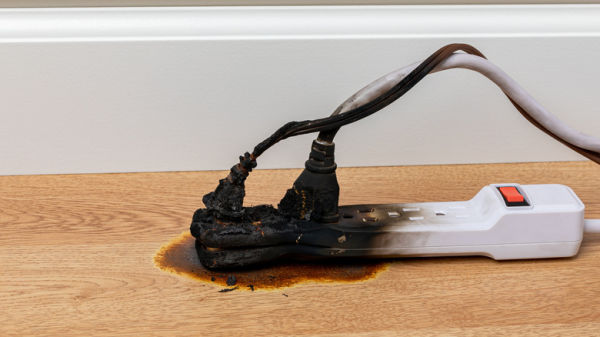
It turns out that the effectiveness of a surge protector can deteriorate over time, as the internal components degrade a little each time they are pressed into action. Not only does that degradation leave the devices it’s meant to be protecting more exposed to potentially damaging surges of power, but it also leaves the surge protector itself open to malfunction that — according to sources from The Verge — might even result in a dangerous electrical fire. That’s a danger anyone should be eager to avoid.
Here’s how to tell if your surge protector is a safety hazard
J.J. Gouin/Shutterstock
The good news is that, at least when it comes to surge protectors, it is easy enough to avoid such dangers by simply ditching your old devices and upgrading your surge protection game with new ones. Of course, that tactic might also get a little costlier than some are comfortable with if there are multiple surge protectors in play. It’s even more of an issue for folks who may not actually know whether or not their surge protectors are past their expiration date.
Just for the record, surge protectors don’t actually have an expiration date. But according to many surge protector professionals, it is generally best to replace the devices every three to five years or so. Pro tip — you can easily keep track of the time by marking the date of purchase on the device itself. Even still, that lifespan may shrink depending not just on how often the device protects your gear from electrical surges, but also on the severity of each surge. So much so that it is recommended that you replace a surge protector anytime there’s been a significant electrical event in your home or even in the surrounding area.
You may also be able to tell if your surge protector needs replacing just by looking at it, as physical damage like cracks in the casing or frays in the cord could lead to malfunction. Likewise, if your surge-protecting power strip has plugs that do not work or is prone to overheating, it is time to buy a replacement.