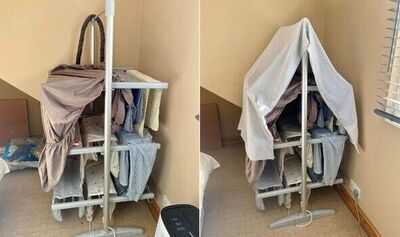
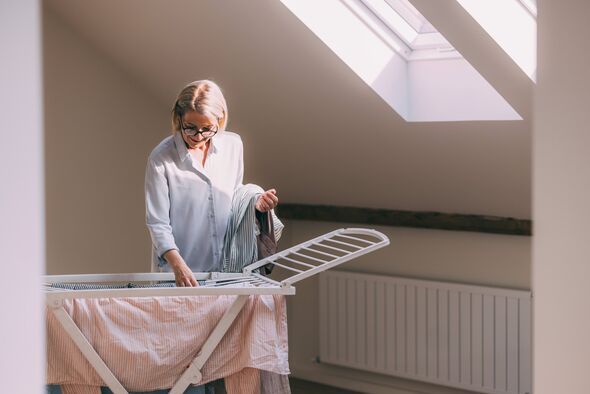
My preferred method for drying laundry is to hang it outdoors on the washing line; however, the damp weather at this time of year makes that unfeasible. Drying clothes indoors can be a real task, even with the best clothes airers; it's often a tricky business. Speedily drying clothes can be a challenge, not to mention bed sheets, which consume so much precious space when hung out to dry.
While I do own a tumble dryer, I'm attempting to reduce energy bill costs wherever feasible, particularly since the energy price cap increased by 2% in October and by another 2% since July. Instead, I favour one gadget that Mrs Hinch fans consistently praise - a dehumidifier. However, there's a correct way to utilise them to swiftly dry your bedding while also drying a few other laundry items simultaneously.
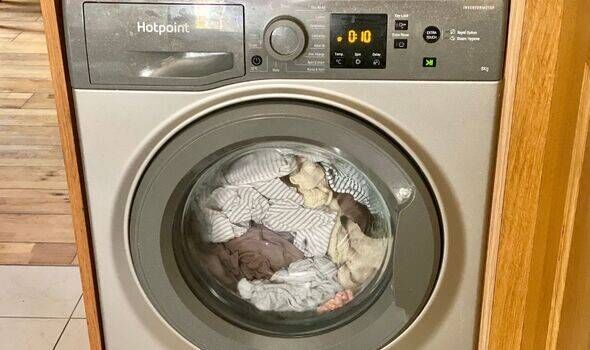
For me, accelerating the drying process of bedding begins with your washing machine. I always set wash loads on a spin and drain cycle. This eliminates any surplus moisture, significantly speeding up how quickly your sheets dry.
An extra spin can extract up to 30% more moisture from your bed sheets, and it only takes 10 minutes.
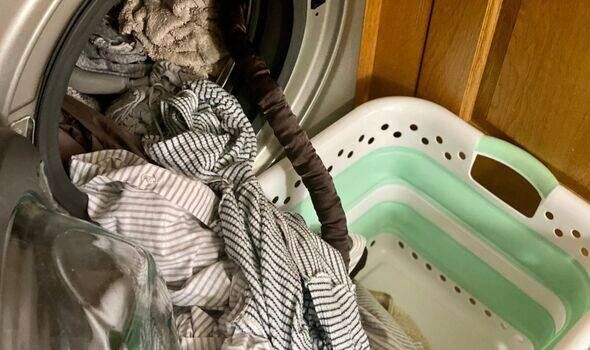
Once the cycle concludes, I promptly remove the bed sheets and the rest of my laundry from the washing machine. This helps ward off bacteria and musty smells from developing.
The subsequent step is to hang the bedding on an airer, but before doing so, I give each laundry item a shake. This straightforward action aids in separating the fabric fibres, allowing improved air circulation.
Shaking prevents sheets from sticking together, which can lead to damp patches that prolong the drying process. This simple trick can notably cut down on drying time.
As I was laundering clothes and towels at the same time, I prioritised placing these items on the airer, ensuring they were evenly distributed.
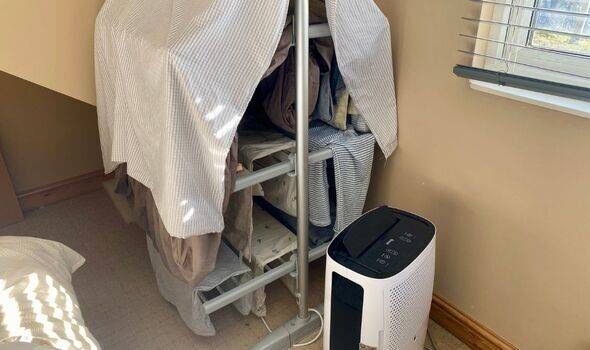
When it comes to the bed sheet and duvet cover, I carefully drape the bed sheet over one half of the airer and the duvet cover over the entire structure. This crucial step traps the humid air inside and allows the dry air from the dehumidifier to circulate within the space created by the sheet.
Dehumidifiers work by drawing in room air, extracting the moisture, and then releasing warm, dry air back into the room.
I always place the dehumidifier next to the airer and close enough to reach all the laundry items.
After an hour, I inspected the laundry items; the bed sheet and duvet cover were already completely dry. The clothes and towels remained slightly damp and needed an additional three hours to fully dry.
While dehumidifiers may not operate faster than tumble dryers, the savings they offer on energy bills certainly make up for this, and one hour is still quite swift. My dehumidifier only costs me 8p per hour.
Contact to : xlf550402@gmail.com
Copyright © boyuanhulian 2020 - 2023. All Right Reserved.