Millions of people across the country may need to steer clear of a certain food to prevent complications, health professionals have warned. Failure to do so may result in a potentially "toxic" reaction within the body.
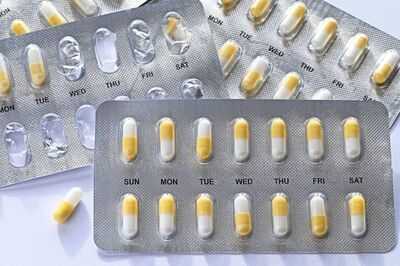
Statins, a commonly prescribed medication for individuals managing elevated cholesterol levels, are currently taken by approximately seven to eight million adults across the UK, according to the British Heart Foundation. These daily tablets function by reducing cholesterol production and clearing LDL, or 'bad cholesterol', from the bloodstream.
Managing this 'silent killer' is vital, as elevated cholesterol typically presents no warning signs until the condition has progressed significantly. When arteries become blocked, the likelihood of experiencing heart attacks and strokes increases substantially.
- Stop using fabric softener in your washing machine – 35p product can work better
- 'My neighbour's outlandish lies almost got me evicted but she doesn't care'
Statins operate by limiting the amount of cholesterol manufactured by the liver whilst assisting in eliminating cholesterol already present in the blood. They also contribute to stabilising plaque, a waxy deposit that can build up along artery walls, and may help reduce inflammation within these arterial structures.
According to the NHS, the majority of people prescribed statins will require lifelong treatment. Should the medication be discontinued for any reason, cholesterol levels may gradually climb once more
Consequently, patients need to understand that certain foods and beverages are incompatible with statin therapy. One unexpected item frequently overlooked is the necessity to steer clear of grapefruit.
Experts from Harvard Health Medical School have identified why this particular citrus fruit, along with its juice, should be avoided when taking certain medications. The chemical interaction between specific drugs and the fruit can prove problematic, occasionally resulting in "toxic" effects.
Statins undergo metabolism in the intestines via an enzyme called CYP3A before reaching the bloodstream, a process that becomes disrupted when grapefruit is eaten. Grapefruit juice contains furanocoumarins, which block CYP3A, leading to increased drug absorption and potentially making it "toxic in some cases".
That said, not every statin medication is substantially affected by grapefruit, meaning a total ban isn't always required. A GP might recommend switching from those most severely impacted, including atorvastatin, lovastatin and simvastatin.
Medical recommendations could vary from eliminating grapefruit completely to enjoying it in moderation. It's vital not to experiment independently or alter your routine without professional medical advice.
The exact amount of grapefruit that might cause an adverse reaction remains unclear. For certain individuals, a single glass of grapefruit juice could trigger complications, whilst others may need greater quantities of the fruit or juice to experience difficulties.
Those on statins can typically consume oranges and other citrus fruits, however. Very Well Health suggests opting for 'safe' citrus options including blood oranges, clementines, lemons, limes, mandarins and tangerines.
Contact to : xlf550402@gmail.com
Copyright © boyuanhulian 2020 - 2023. All Right Reserved.