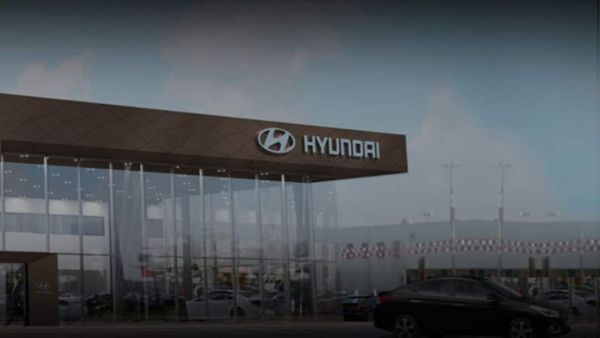
Hyundai Motor India Ltd (HMIL) will kick off 2026 with a price increase across its vehicle portfolio, joining a growing list of carmakers adjusting prices to offset rising input costs.
The company has announced a weighted average price hike of around 0.6 per cent, effective January 1, 2026, citing an increase in the cost of precious metals and other key commodities used in vehicle manufacturing, reported PTI.
The announcement, made through a regulatory filing on Wednesday, signals the return of upward price revisions in the Indian auto market after a brief period of relief for buyers in the latter half of 2025.
Why Hyundai Is Raising Prices Again
According to Hyundai Motor India, the decision to increase prices was not taken lightly. The carmaker said it has been consistently working to optimise costs and reduce the burden on customers. However, sustained pressure from higher commodity prices has left limited room to absorb the impact internally.
“Due to the rise in the cost of precious metals and commodities, Hyundai Motor India will undertake a weighted average price increase of around 0.6 per cent across its model range, effective from January 1, 2026,” the company said in its filing.
It added that despite efforts to minimise the impact, it is “constrained to pass on some of the increased costs to the market through this minor price increase”.
Which Hyundai Models Will Be Affected
The price hike will apply across Hyundai’s entire model range sold in India. The company currently offers a wide portfolio, spanning entry-level hatchbacks, compact SUVs, sedans and premium electric vehicles.
Hyundai’s line-up includes models such as the Grand i10 Nios, i20, Aura, Verna, Exter, Venue, Creta and Alcazar in the internal combustion engine (ICE) segment. On the electric vehicle front, the company sells the Creta Electric and the premium IONIQ 5.
At present, Hyundai’s vehicles in India are priced from Rs 5.47 lakh to over Rs 47 lakh (ex-showroom), depending on the model and variant. While the company has not disclosed model-wise revisions, the 0.6 per cent increase is a weighted average, meaning the actual hike could vary across models and trims.
A Familiar January Trend for Car Buyers
For Indian car buyers, January price hikes have become something of an annual ritual. Automakers typically revise prices at least twice a year, once at the start of the calendar year and again around April, to factor in higher input costs, wage revisions and regulatory expenses.
Hyundai’s latest announcement fits this broader industry pattern. Several other mass-market carmakers, including JSW MG Motor, Honda, Nissan and Renault, have also announced price increases effective January 2026. In the luxury segment, Mercedes-Benz and BMW have confirmed similar moves.
First Hike After GST-Linked Price Cuts
Notably, this will be Hyundai’s first price hike after the reductions announced in September 2025, following Goods and Services Tax (GST) rate rationalisation under what was referred to as GST 2.0.
As part of those revisions, Hyundai had cut prices across multiple models. The Verna saw the smallest reduction of Rs 60,640, while the now-discontinued Tucson registered the steepest cut of up to Rs 2,40,303. The Tucson has since been withdrawn from the Indian market, narrowing Hyundai’s premium SUV offerings.
The return to price increases highlights how short-lived the relief from tax rationalisation has been, as rising global commodity prices quickly offset the benefits.
Commodity Costs and the Auto Industry Squeeze
Precious metals such as platinum, palladium and rhodium are critical components in catalytic converters and emission-control systems, while steel, aluminium and copper remain core inputs across vehicle platforms. Volatility in global commodity markets has pushed up costs for manufacturers worldwide, squeezing margins.
For automakers operating in a highly competitive and price-sensitive market like India, passing on even small cost increases requires careful calibration. Hyundai’s decision to limit the hike to around 0.6 per cent suggests an attempt to balance cost pressures with demand sensitivity.
For prospective buyers, the increase translates into a modest rise in on-road prices, especially when combined with registration charges, insurance and dealer add-ons. Those planning to purchase a Hyundai vehicle may find value in advancing their buying decision before the revised prices take effect.
Contact to : xlf550402@gmail.com
Copyright © boyuanhulian 2020 - 2023. All Right Reserved.